Call Us WhatsApp
Ronti Saddle Trek

Himalayan Trekking Adventure

Ronti Saddle Trek

The Hidden Himalayan Ridge Adventure

Chamoli, Uttarakhand
Duration
9 Days / 8 Nights
Maximum Altitude
18,380 ft
Trek Distance
77–80 km
Difficulty
Difficult
Best Season
May–June & Sep–Oct
Starting Point
Rishikesh
Base Camp
Wan Village
Accommodation
Guesthouses, Homestays & Camps

Trek Overview

The Ronti Saddle Trek is a challenging high-altitude Himalayan expedition in Uttarakhand, known for its remote landscapes, alpine meadows, glacial terrain, snow-covered trails, high mountain passes, and spectacular views of the Garhwal Himalayas. The journey takes trekkers beyond the well-known Roopkund region and deeper into the mountains towards Shila Samudra, Homkund, and Ronti Saddle.

The route offers a remarkable transition through different Himalayan landscapes. Trekkers begin among traditional villages and dense oak and rhododendron forests before entering the expansive meadows of Bedni Bugyal. Beyond the meadows, the terrain becomes increasingly rugged around Bhagwabasa, Roopkund, Junargali, and Shila Samudra.

One of the major attractions of the expedition is the opportunity to explore the region beyond Roopkund. The Roopkund Ronti Saddle Trek continues from the famous high-altitude lake through challenging mountain terrain towards remote valleys that are rarely experienced on conventional Himalayan trekking routes.

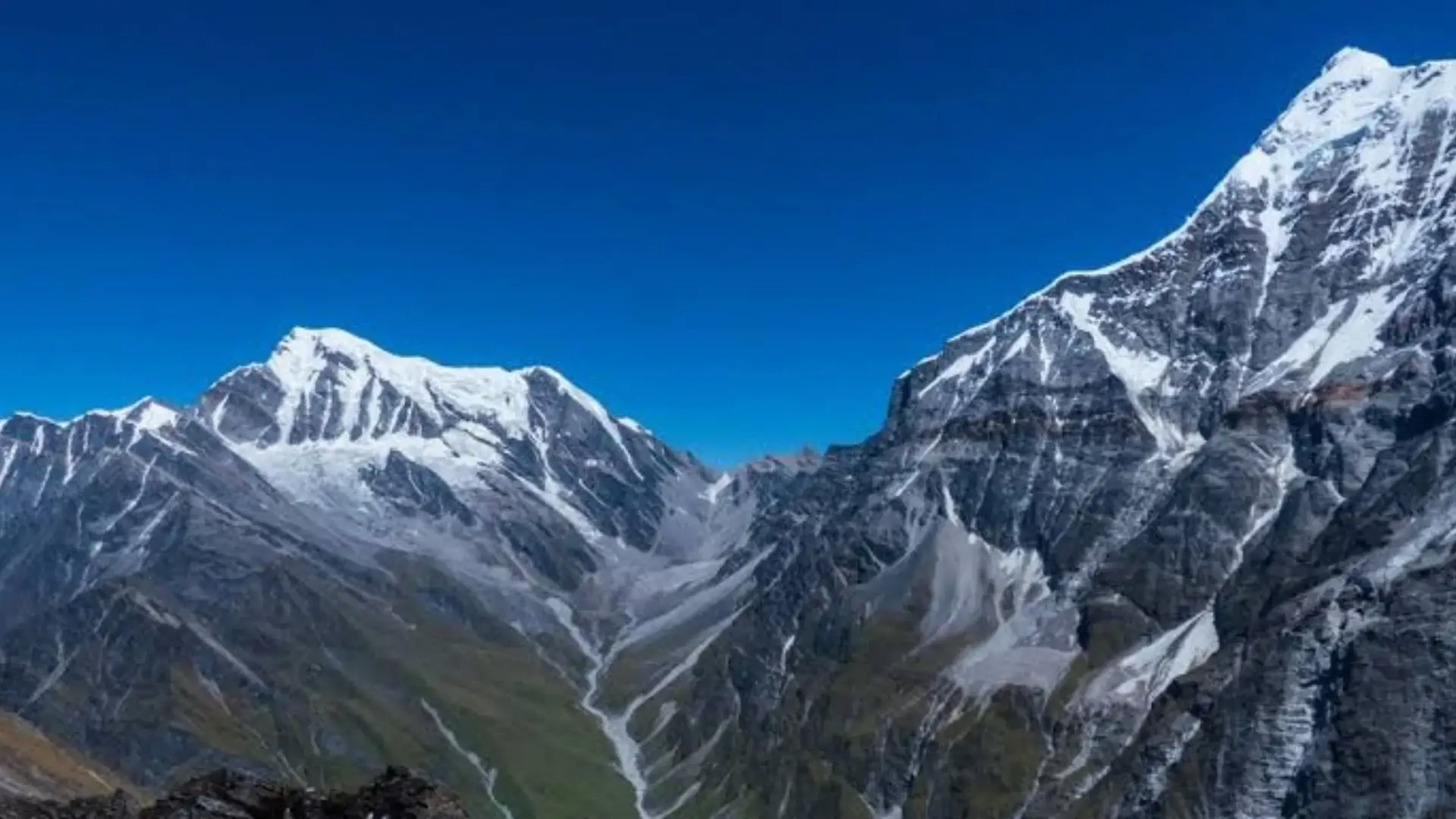
The higher sections around Homkund and Ronti Saddle provide impressive views of peaks such as Trishul and Nanda Ghunti. The combination of altitude, snow, rocky terrain, glaciers, and isolated campsites creates a true expedition-style experience.

The journey is physically demanding and is better suited to trekkers with previous Himalayan trekking experience. Long walking days, steep climbs and descents, high-altitude camps, changing weather, and remote terrain require excellent physical fitness, endurance, and proper preparation.

For this itinerary, the complete organized journey with The Mountain Hike starts and ends in Rishikesh. From Rishikesh, participants travel towards Wan Village, from where the actual trekking route begins.

Organized by The Mountain Hike, the expedition includes experienced trek leaders, guides, accommodation, meals during the trekking portion, applicable permits, trekking equipment, safety support, and on-ground coordination according to the selected package.

Why Choose This Trek?

Ronti Saddle is ideal for experienced trekkers looking to progress beyond moderate Himalayan trails. Unlike shorter trekking routes, this expedition involves long walking days, significant altitude gain, remote campsites, snow, rocky terrain, and demanding mountain passes. The challenge makes the journey particularly rewarding for trekkers seeking a serious Himalayan adventure.

One of the strongest reasons to choose this route is its exceptional landscape diversity. The journey begins through forests around Wan, opens into the vast alpine meadows of Bedni Bugyal, and then moves into increasingly rugged high-altitude terrain around Bhagwabasa and Roopkund. Beyond this point, the surroundings become more remote as the trail proceeds towards Junargali and Shila Samudra.

The expedition also provides close views of some of the impressive mountains of the region. Trishul and Nanda Ghunti dominate sections of the skyline, while remote valleys, snowfields, ridges, and high-altitude camps create constantly changing mountain scenery.

Roopkund adds another fascinating dimension to the journey. Instead of ending around the lake, the expedition continues into much more demanding terrain. This transition from the familiar Roopkund Trek route towards Junargali, Shila Samudra, Homkund, and Ronti Saddle is what distinguishes the expedition from conventional trails.

Homkund and Ronti Saddle form the defining section of the journey. The approach takes trekkers through isolated high-altitude terrain where the scale and remoteness of the Himalayas become particularly noticeable.

The final descent towards Lata Khopri and Sutol provides another change in scenery. Snow, rocks, and alpine terrain gradually give way to forests, streams, valleys, and traditional villages, completing a journey through multiple Himalayan ecological zones.

Everything You Need To Know

Plan your Ronti Saddle Trek Itinerary with The Mountain Hike and explore the stunning Himalayan landscapes of Bedni Bugyal, Roopkund, Junargali, Shila Samudra, Homkund, and Ronti Saddle. This 9-day expedition from Rishikesh combines challenging trails, remote campsites, and breathtaking mountain views.

Day 1

Rishikesh → Wan Village

Scenic drive via Karnaprayag and Lohajung to Wan.

Day 2

Wan → Geruli Patal

Forest trails through oak and rhododendron trees.

Day 3

Geruli Patal → Bedni Bugyal → Bhagwabasa

Explore alpine meadows and climb via Kalu Vinayak.

Day 4

Bhagwabasa → Roopkund → Junargali → Shila Samudra

Cross challenging high-altitude terrain and rocky trails.

Day 5

Shila Samudra → Dodang

Trek through remote valleys and rugged mountain landscapes.

Day 6

Dodang → Homkund → Ronti Saddle → Dodang

Reach the expedition's main highlight with spectacular Himalayan views.

Day 7

Dodang → Chandaniya Ghat → Lata Khopri

Descend through rocky trails, streams, and greener landscapes.

Day 8

Lata Khopri → Sutol Village

Walk through forests and traditional Himalayan surroundings.

Day 9

Sutol Village → Rishikesh

Scenic return drive via Ghat and Karnaprayag.

Rishikesh to Wan Village

250–270 km 8–10 hrs Guesthouse/Homestay at Wan

The expedition begins early in the morning from Rishikesh with a long road journey towards Wan Village.

The route passes through beautiful river valleys, mountain towns, forests, and traditional settlements before travelling deeper into the Garhwal Himalayas. The journey proceeds towards Karnaprayag and Lohajung before continuing towards Wan.

As you approach the higher mountain region, the surroundings become increasingly peaceful and remote.

Reach Wan by evening and settle into the arranged accommodation. The remaining time can be used to rest, prepare equipment, and receive instructions for the trekking days ahead.

Wan serves as the base camp and actual walking point for the expedition.

Wan to Geruli Patal

7 km 5 hrs Camp at Geruli Patal

After breakfast, begin the first walking section from Wan towards Geruli Patal.

The route passes through the forested surroundings near the Latu Devta Temple before descending towards the Neel Ganga stream.

After crossing the lower section, the trail begins climbing through beautiful oak and rhododendron forests. The forested route provides a gradual introduction to the physical demands of the expedition.

As altitude increases, occasional openings in the forest provide glimpses of the surrounding Himalayan landscape.

Reach Geruli Patal and settle into the campsite for dinner and overnight stay.


Geruli Patal to Bhagwabasa via Bedni Bugyal & Kalu Vinayak

11.5 km 8–9 hrs Camp at Bhagwabasa

This is a longer and more demanding trekking day.

Begin the ascent towards Bedni Bugyal, where dense forests gradually give way to expansive alpine meadows.

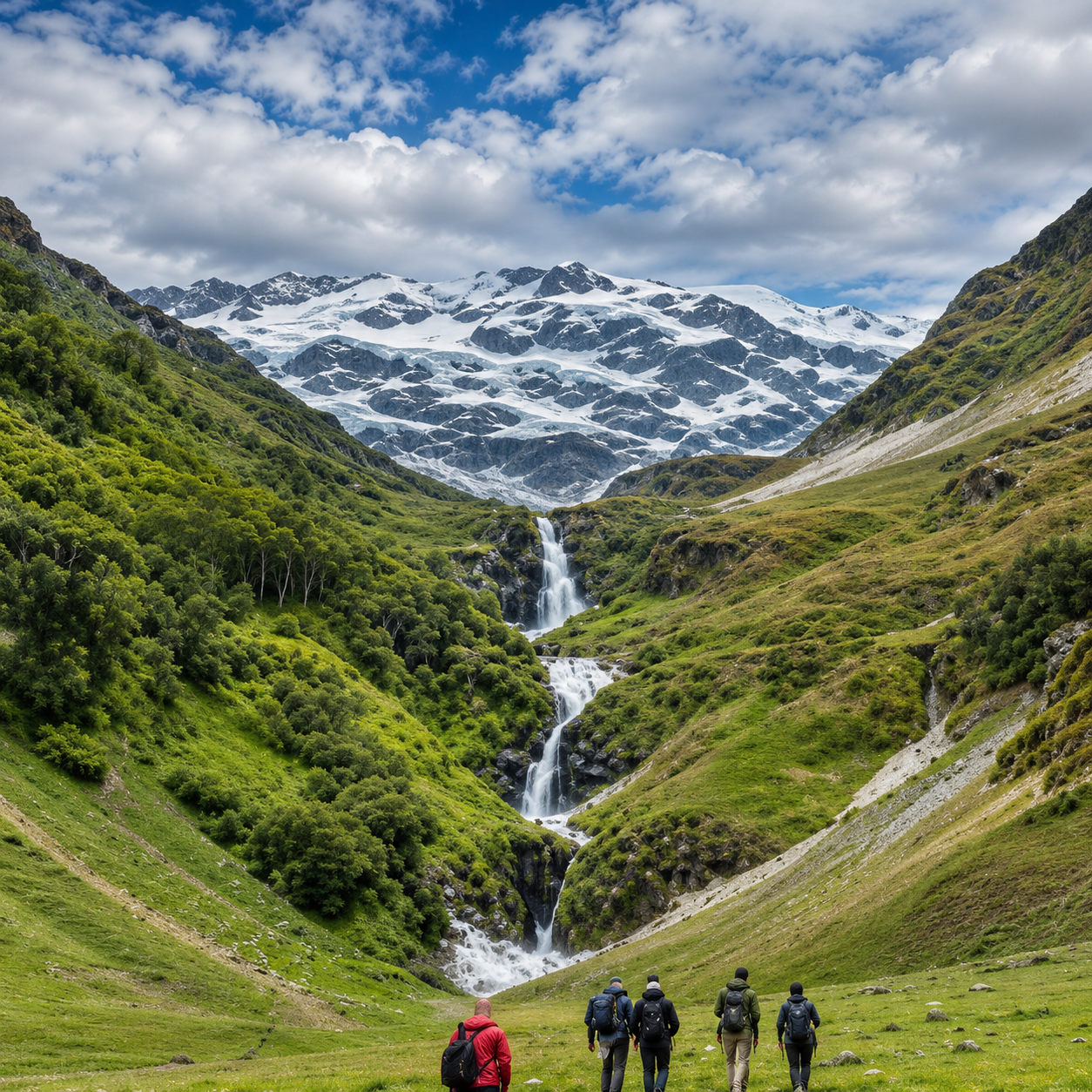
Bedni Bugyal is one of the most beautiful sections of the expedition. The open grasslands provide expansive views of the surrounding Himalayan ranges, while Bedni Kund adds cultural and religious significance to the area.

Continue climbing towards Kalu Vinayak. The gradient becomes steeper as altitude increases, demanding a slow and consistent walking pace.

From Kalu Vinayak, proceed towards Bhagwabasa through increasingly rocky and exposed terrain.

Reach the campsite and rest after completing the long trekking day.


Bhagwabasa to Roopkund – Junargali – Shila Samudra

11 km 9 hrs Camp at Shila Samudra

Begin very early for one of the most challenging sections of the expedition.

The trail climbs from Bhagwabasa towards Roopkund, a famous high-altitude lake surrounded by dramatic Himalayan terrain.

After reaching the Roopkund region, continue towards Junargali. The terrain becomes significantly more demanding due to altitude, steep gradients, snow, rocks, and changing mountain conditions.

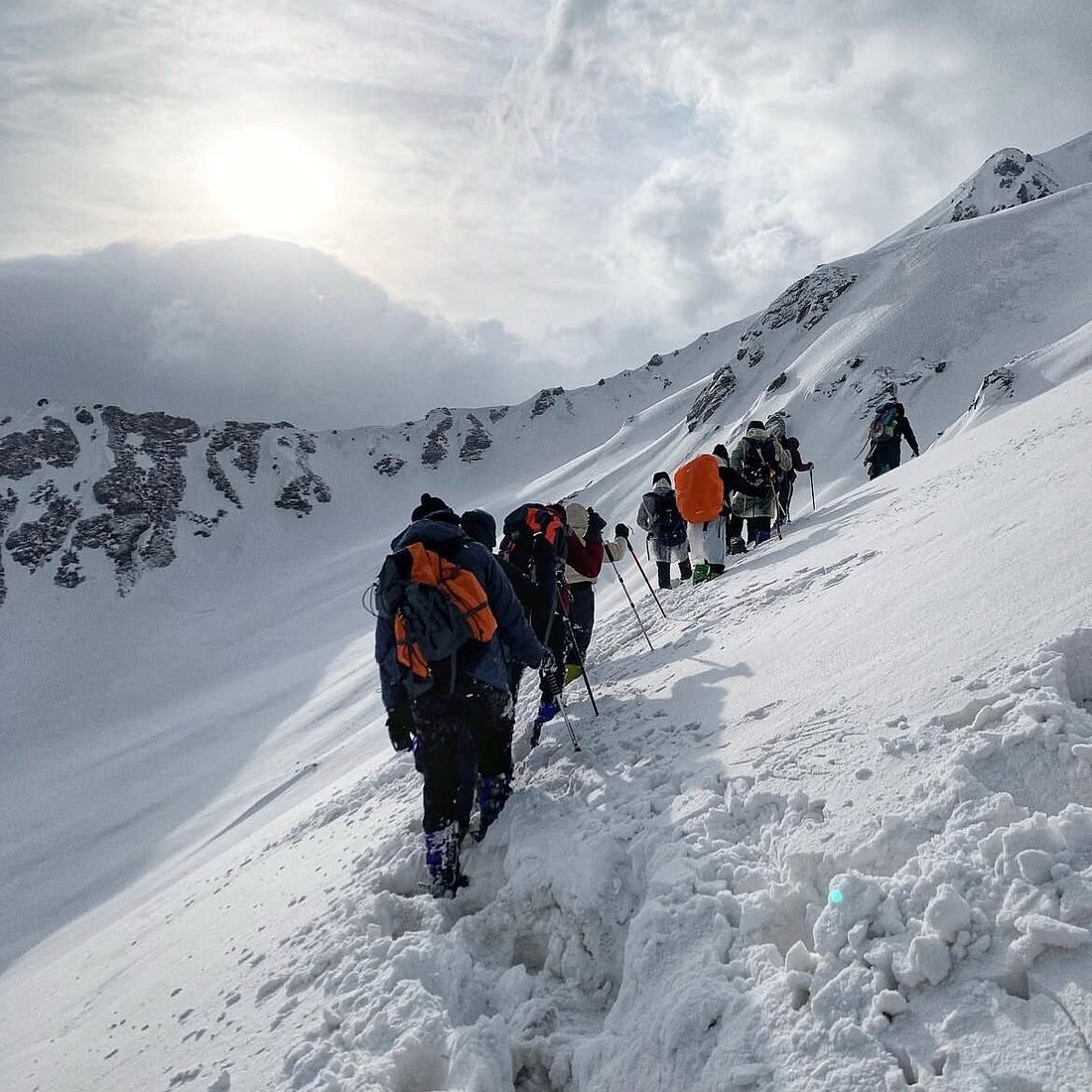
Movement through this section depends heavily on weather, snow conditions, and the assessment of the trek leader.

After negotiating the higher terrain, begin the challenging descent towards Shila Samudra.

The campsite lies in an isolated high-altitude landscape surrounded by mountains and glacial terrain, creating one of the most memorable settings of the journey.


Shila Samudra to Dodang

7 km 5 hrs Camp at Dodang

After breakfast, begin the trek from Shila Samudra towards Dodang.

Compared with the previous day, the distance is shorter, allowing trekkers to recover while continuing through remote high-altitude surroundings.

The route crosses rocky terrain and alpine landscapes, with streams and dramatic mountain scenery accompanying sections of the journey.

Depending on the season and weather, trekkers may also encounter patches of alpine vegetation and seasonal wildflowers.

Reach Dodang and settle into the campsite. Rest properly because the following day involves the main excursion towards Homkund and Ronti Saddle.


Dodang to Homkund & Ronti Saddle – Return to Dodang

9 km 5–6 hrs Camp at Dodang

Begin early for the defining section of the expedition.

The route climbs from Dodang towards Homkund Ronti Saddle terrain through remote high-altitude landscapes.

Homkund is a small high-altitude lake surrounded by dramatic Himalayan wilderness. From here, trekkers continue towards Ronti Saddle through rocky and exposed mountain terrain.

The increasing altitude makes a controlled walking pace particularly important. Weather, snow, and trail conditions must also be considered before proceeding towards the highest sections.

Upon reaching the saddle region, trekkers can experience panoramic views of the surrounding mountains, valleys, ridges, and snow-covered terrain.

After spending appropriate time according to conditions, retrace the trail towards Dodang.

Reach the campsite by evening for dinner and overnight stay.


Dodang to Lata Khopri via Chandaniya Ghat

14 km 7 hrs Camp at Lata Khopri

After breakfast, begin the long descent towards Chandaniya Ghat and Lata Khopri.

The trail gradually leaves the extreme high-altitude terrain and enters greener landscapes.

Trekkers encounter rocky sections, mountain streams, alpine vegetation, ridges, and eventually forested terrain as elevation decreases.

Oak and rhododendron forests gradually return, creating a noticeable contrast with the snowfields and exposed landscapes experienced during the previous days.

Reach Lata Khopri and settle into the campsite for the night.


Lata Khopri to Sutol Village

13 km 5–6 hrs Guesthouse/Homestay at Sutol

After breakfast, continue descending towards Sutol Village.

The trail passes through forests, streams, terraced landscapes, and remote Himalayan surroundings.

After spending several days in isolated high-altitude terrain, the gradual return towards inhabited villages creates a completely different experience.

Reach Sutol and settle into the arranged accommodation. Spend the evening relaxing and experiencing the peaceful atmosphere of the traditional mountain village.


Sutol Village to Rishikesh

220–250 km 8–10 hrs Back to Rishikesh

After breakfast, begin the return road journey from Sutol towards Rishikesh.

The drive passes through mountain valleys, settlements, Ghat, and Karnaprayag before continuing towards Rishikesh.

The journey provides time to reflect on the expedition—from the forests around Wan and meadows of Bedni Bugyal to Roopkund, Junargali, Shila Samudra, Homkund, and the high-altitude Ronti Saddle region.

Reach Rishikesh, marking the completion of the expedition with The Mountain Hike.


The expedition moves through several distinct Himalayan environments, beginning with forests and villages before progressing into alpine meadows, rocky high-altitude terrain, snowfields, remote valleys, and glacial landscapes.

Wan to Geruli Patal

The first walking day introduces trekkers to the beautiful forests around Wan.

Oak and rhododendron trees dominate sections of the route, while the Latu Devta Temple area and Neel Ganga add cultural and natural interest.

Bedni Bugyal

Bedni Bugyal is one of the most scenic sections of the entire expedition.

Its expansive alpine grasslands provide an impressive contrast to the dense forests encountered earlier.

Views of the surrounding Himalayan ranges make this section particularly rewarding during clear weather.

Kalu Vinayak & Bhagwabasa

The terrain changes dramatically after leaving the meadows.

As trekkers climb towards Kalu Vinayak and Bhagwabasa, vegetation becomes sparse and the route becomes increasingly rocky and exposed.

The transition prepares trekkers for the much more demanding high-altitude terrain ahead.

Roopkund & Junargali

Roopkund is one of the most recognizable locations encountered during the expedition.

Beyond Roopkund, the route towards Junargali enters challenging terrain where snow, steep gradients, rocks, altitude, and changing weather can influence progress.

Decisions regarding this section should always be made by experienced trek leaders according to current conditions.

Shila Samudra

Shila Samudra offers a remote high-altitude camping experience surrounded by rugged Himalayan terrain.

Its isolated setting provides a strong sense of being deep within the mountains and away from conventional trekking routes.

Homkund & Ronti Saddle

The route towards Homkund and Ronti Saddle represents the main objective of the expedition.

The high-altitude terrain is physically demanding but offers impressive views of Trishul, Nanda Ghunti, surrounding ridges, valleys, and snow-covered landscapes.

Lata Khopri & Sutol

The descent from the high mountains gradually returns trekkers to greener terrain.

Forests, streams, valleys, and traditional villages replace the exposed high-altitude environment, completing the dramatic landscape transition of the expedition.

Careful preparation is essential for a remote high-altitude expedition.

Participants should choose a departure according to current snow, weather, and trail conditions.

Previous trekking experience and good physical fitness are highly recommended because the route includes challenging terrain and several long days.

Carry suitable high-altitude clothing, waterproof layers, sturdy trekking boots, gloves, warm head protection, and the recommended personal equipment.

Trekkers should also keep buffer time in their travel schedule because mountain weather, landslides, snow, or road conditions can occasionally affect the itinerary.

The decisions of the trek leader regarding route conditions, weather, safety, and turnaround times should always be followed.

A remote high-altitude expedition requires careful planning, experienced leadership, and effective on-ground coordination. The Mountain Hike focuses on organizing the essential logistics of the journey while helping trekkers experience the challenging Himalayan route with appropriate support.

Experienced trek leaders, guides, and support staff accompany participants during the expedition. Their familiarity with Himalayan terrain, campsites, weather patterns, snow conditions, and remote trails becomes particularly important around demanding sections such as Roopkund, Junargali, Homkund, and Ronti Saddle.

Safety is an important part of expedition management. Basic first-aid and specified emergency resources are carried according to the trek plan, while trek leaders continuously assess weather, trail conditions, group progress, and other factors that can influence movement in the mountains.

Accommodation is arranged through guesthouses, homestays, and camps according to the itinerary. Meals during the trekking portion are planned to provide participants with appropriate nourishment during consecutive days of strenuous physical activity.

Transportation, applicable permits, accommodation, trekking equipment, meals, support staff, and trek coordination are managed according to the selected package. This allows participants to focus on the trekking experience while essential operational arrangements are handled by the team.

The Mountain Hike also encourages responsible trekking by promoting respect for local communities, forests, alpine meadows, water sources, wildlife, and the fragile high-altitude Himalayan environment.

The Ronti Saddle Trek package includes transportation, accommodation, meals during the trek, camping equipment, permits, experienced trek leaders, guides, and basic first-aid support. Exclusions include personal expenses, insurance, personal trekking gear, porter or mule charges, emergency evacuation costs beyond included support, and services not mentioned in the package.

Inclusions

  • Transportation according to the selected itinerary.
  • Accommodation in guesthouses, homestays, and camps as specified.
  • Vegetarian meals with egg options during the trekking portion.
  • Experienced trek leader, guides, and support staff.
  • Camping equipment according to the trek plan.
  • Applicable permits and entry fees included in the package.
  • Basic first-aid and specified emergency support.
  • Trek coordination and on-ground assistance.

Exclusions

  • Personal expenses.
  • Food during transit unless specified.
  • Travel and medical insurance.
  • Porter or mule charges for personal luggage.
  • Personal trekking equipment.
  • Personal medicines.
  • Emergency evacuation expenses beyond included support.
  • Additional expenses caused by weather, roadblocks, landslides, natural disasters, or itinerary changes.
  • Anything not specifically mentioned under inclusions.

The Ronti Saddle Trek is classified as a Difficult high-altitude Himalayan expedition.

The journey includes long trekking days, significant altitude gain, steep climbs and descents, snow-covered sections, rocky terrain, exposed mountain landscapes, remote campsites, and rapidly changing weather.

The sections around Roopkund, Junargali, Shila Samudra, Homkund, and Ronti Saddle are considerably more demanding than a typical beginner Himalayan trek.

Previous high-altitude trekking experience is strongly beneficial. Participants should be comfortable walking for several hours over consecutive days and should arrive with good cardiovascular fitness, leg strength, endurance, and mental preparedness.

The Ronti Saddle Trek Best Time is generally during the pre-monsoon and post-monsoon periods, particularly May to June and September to October.

May to June

Summer Season

Late spring and early summer can provide suitable trekking conditions as the mountains transition away from winter. Snow may still remain around the higher sections, creating demanding conditions around Roopkund, Junargali, Homkund, and Ronti Saddle. Actual accessibility depends on the amount of accumulated winter snow and prevailing weather.

July to August

Monsoon Season

The monsoon period is generally avoided for this expedition. Heavy rainfall can increase the risk of landslides, slippery trails, swollen streams, poor visibility, and road disruptions. Conditions in remote mountain areas can become particularly unpredictable during sustained rainfall.

September to October

Autumn Season

The post-monsoon period can provide clearer skies and excellent mountain visibility. Trails are generally drier than during the monsoon, while distant Himalayan peaks can appear particularly sharp after the rains. Temperatures become colder as the season progresses, especially around the higher camps. Because this is a difficult high-altitude expedition, actual departures should always be based on current trail, weather, and snow conditions rather than the calendar alone.

Clothing

Carry clothing suitable for demanding high-altitude conditions:

  • Moisture-wicking base layers
  • Full-sleeve trekking shirts
  • Trekking pants
  • Thermal innerwear
  • Fleece layers
  • Insulated/down jacket
  • Waterproof and windproof outer shell
  • Warm cap or balaclava
  • Sun cap
  • Insulated gloves
  • Waterproof gloves
  • Multiple pairs of trekking socks

Footwear

Carry sturdy waterproof trekking boots with reliable grip and ankle support.

Footwear should be properly broken in before departure.

Traction equipment may be required according to snow and trail conditions and should be used under trek leader guidance.

Backpack Essentials

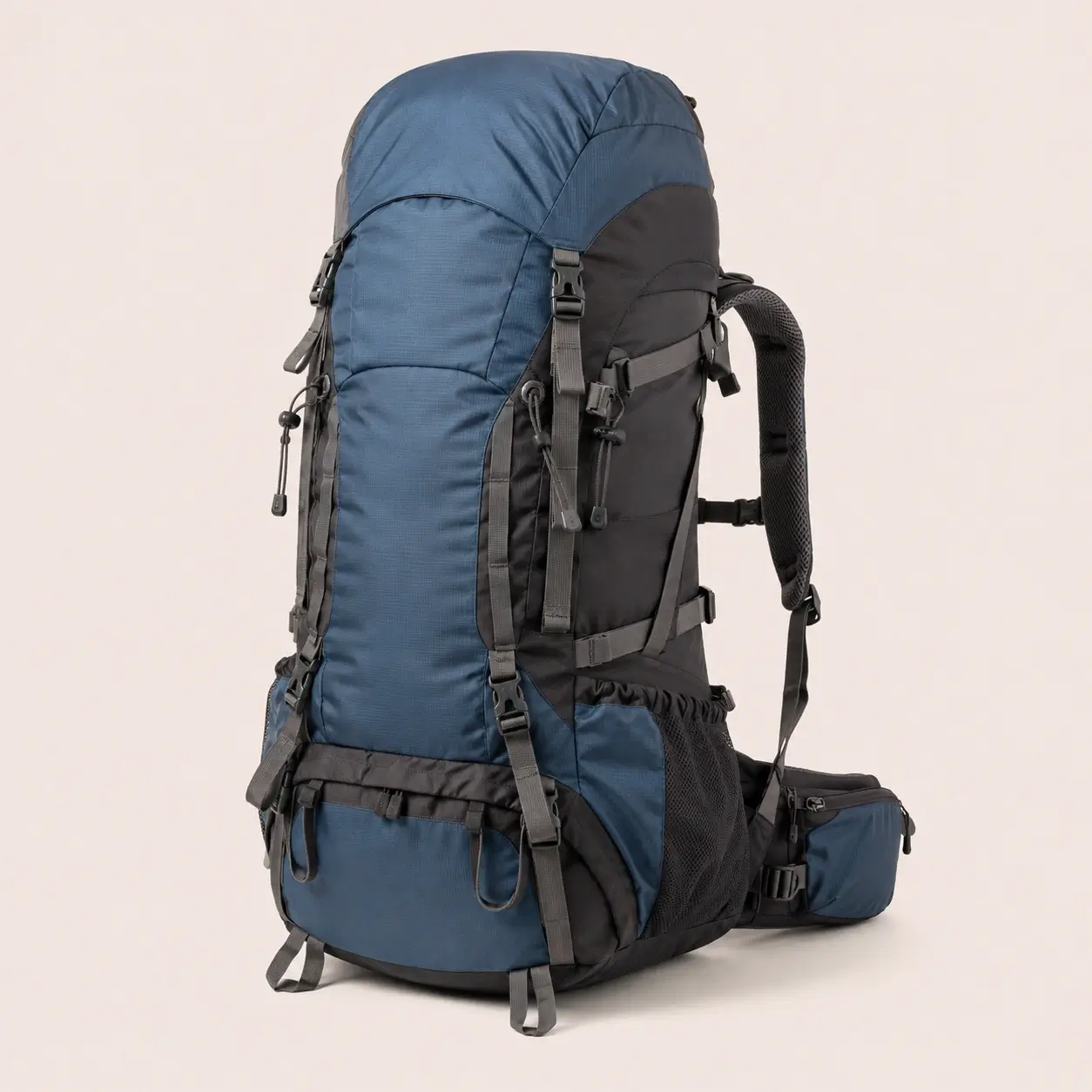
  • 50–60 litre trekking backpack
  • Backpack rain cover
  • Reusable water bottles
  • Sunglasses with UV protection
  • Sunscreen
  • Lip balm
  • Headlamp with spare batteries
  • Personal toiletries
  • Quick-dry towel
  • Power bank
  • Energy snacks
  • Waterproof storage bags
  • Valid government-issued ID

Personal Medical Kit

Participants should carry personal prescription medicines and any basic medication recommended by their doctor.

Relevant medical conditions should be communicated to the trek leader before the expedition begins.

Essential Trekking Tips

  • Train consistently before attempting the expedition.
  • Do not treat this as a beginner-level Himalayan trek.
  • Arrive with appropriate physical fitness and high-altitude trekking preparation.
  • Keep your backpack as light as reasonably possible.
  • Maintain a controlled and sustainable walking pace.
  • Stay properly hydrated throughout the journey.
  • Never ignore unusual symptoms at high altitude.
  • Follow the trek leader’s decisions regarding weather, snow, trail conditions, and turnaround times.
  • Carry reliable waterproof and cold-weather equipment.
  • Respect local communities and fragile Himalayan ecosystems.

Explore beautiful places around the Ronti Saddle Trek, including Bedni Bugyal, Roopkund Lake, Homkund, Wan Village, Lohajung, and Sutol Village. These destinations offer stunning Himalayan views, alpine meadows, and a glimpse of traditional mountain life with The Mountain Hike.
Bedni Bugyal

Bedni Bugyal is one of the most beautiful alpine meadows encountered during the expedition. The expansive grasslands and surrounding Himalayan views make it one of the major scenic highlights of the journey.

Roopkund

Roopkund is a famous high-altitude lake encountered along the route. Its remote mountain setting and historical association with ancient human skeletal remains have made it one of Uttarakhand's best-known high-altitude locations.

Homkund

Homkund is a remote high-altitude lake encountered during the approach towards Ronti Saddle. Its isolated location among rugged Himalayan terrain makes it an important landmark on the expedition.

Wan Village

Wan serves as the base camp and actual trekking point for the expedition. The traditional Himalayan village is surrounded by forests and provides access towards the Latu Devta Temple and higher trekking routes.

Ronti Saddle Trek FAQs

A complete guide to help you prepare for your Ronti Saddle Trek.

The trek is located in Uttarakhand and passes through the Himalayan region around Wan, Bedni Bugyal, Roopkund, Junargali, Shila Samudra, Homkund, Ronti Saddle, Lata Khopri, and Sutol.

The maximum altitude reached during this itinerary is approximately 18,380 ft.

It is classified as a Difficult high-altitude expedition. Long walking days, significant altitude, steep gradients, snow, rocks, remote campsites, and challenging mountain conditions make previous trekking experience and strong physical fitness highly ben

The itinerary described here is 9 Days / 8 Nights, including transportation from Rishikesh, the complete trekking route, and the return journey to Rishikesh.

The complete trekking route covers approximately 77–80 km, although the actual distance can vary slightly according to trail and mountain conditions.

May to June and September to October are generally preferred. Actual departures should depend on current snow, weather, route accessibility, and trail conditions.

It is not recommended as a first Himalayan trek. Participants should ideally have previous high-altitude trekking experience, strong physical fitness, and good endurance.

Yes. The expedition passes through Roopkund before continuing towards Junargali, Shila Samudra, Dodang, Homkund, and Ronti Saddle.

The organized expedition with The Mountain Hike starts from Rishikesh. Participants travel from Rishikesh to Wan Village, from where the actual walking portion begins.

Accommodation includes guesthouses, homestays, and camps according to the itinerary. The remote high-altitude sections primarily require camping.

Applicable permits and entry formalities may be required. When included in the selected package, The Mountain Hike arranges the required trek-related permits.

The Mountain Hike provides experienced trek leaders, guides, support staff, accommodation, meals during the trek, applicable permits, trekking equipment, safety assistance, and expedition coordination according to the selected package.

Stories From The Trail

Hear from trekkers who have experienced the Himalayan trails with The Mountain Hike.
Trek Gear Rental

Rent Trekking Gear & Equipment

Travel light and rent essential trekking gear for your adventure. Check the available equipment and choose what you need for your trek.

Rucksack available for rent

Rucksack

900
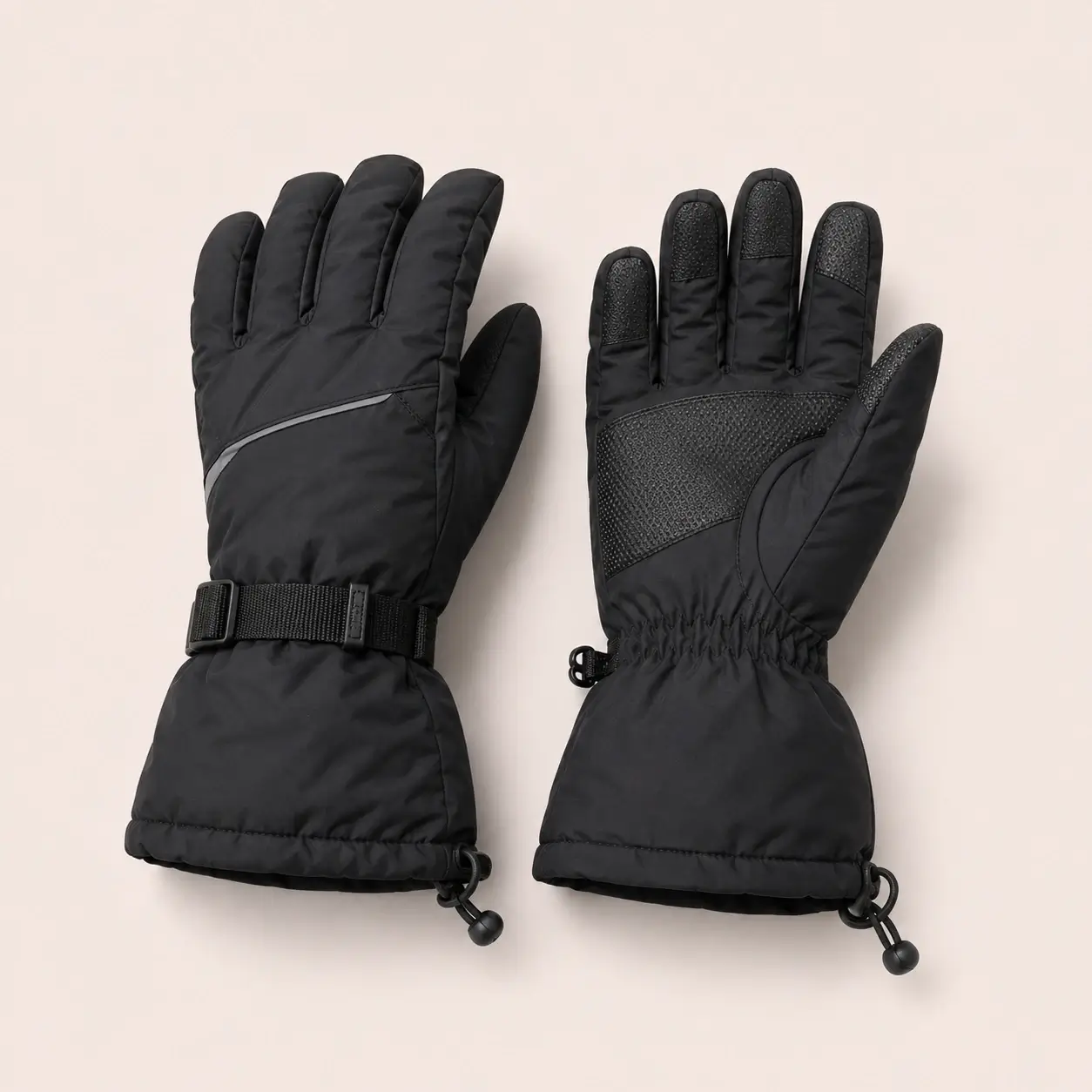
Gloves available for rent

Gloves

250
Cap available for rent

Cap

200
Power Bank available for rent

Power Bank

300
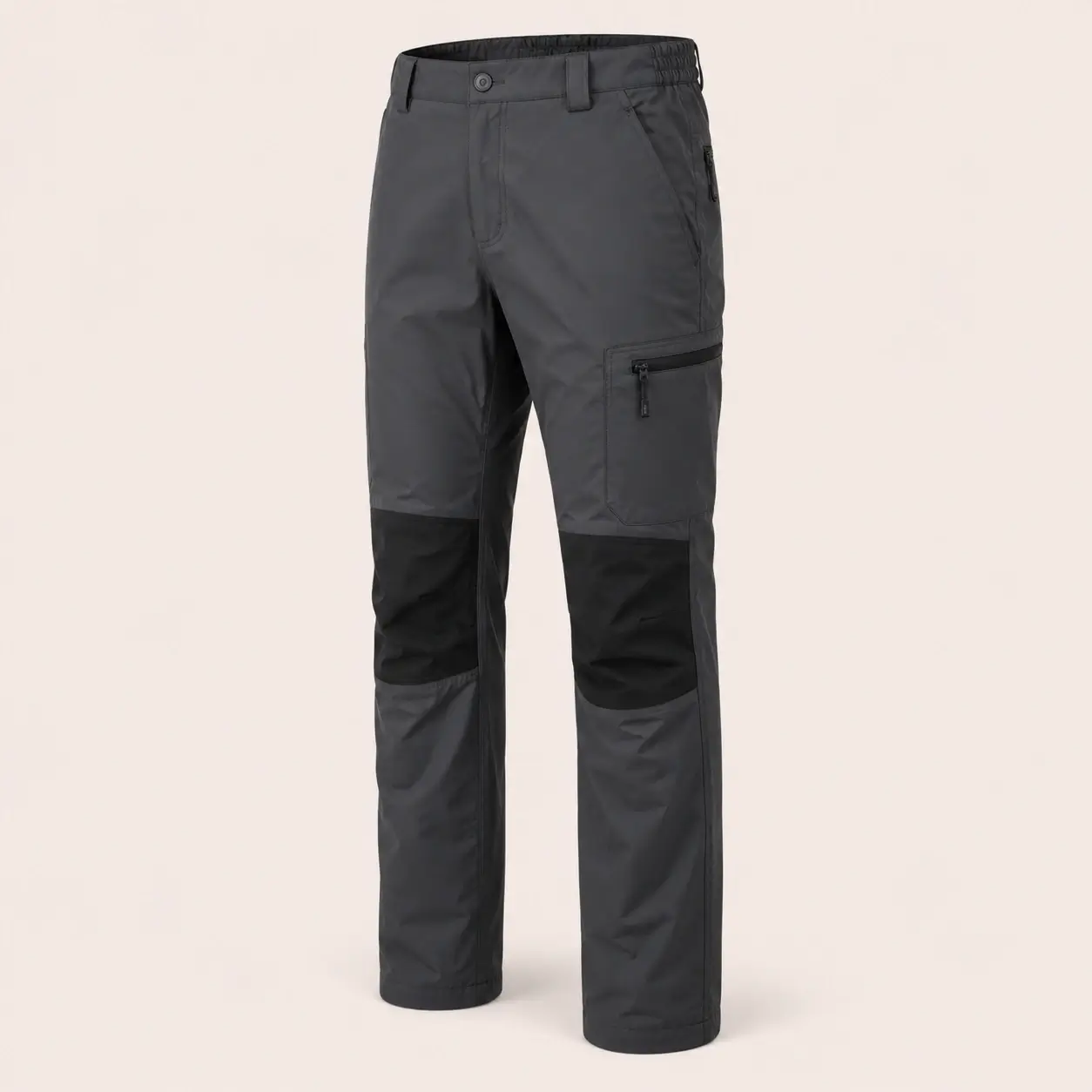
Trekking Pants available for rent

Trekking Pants

800
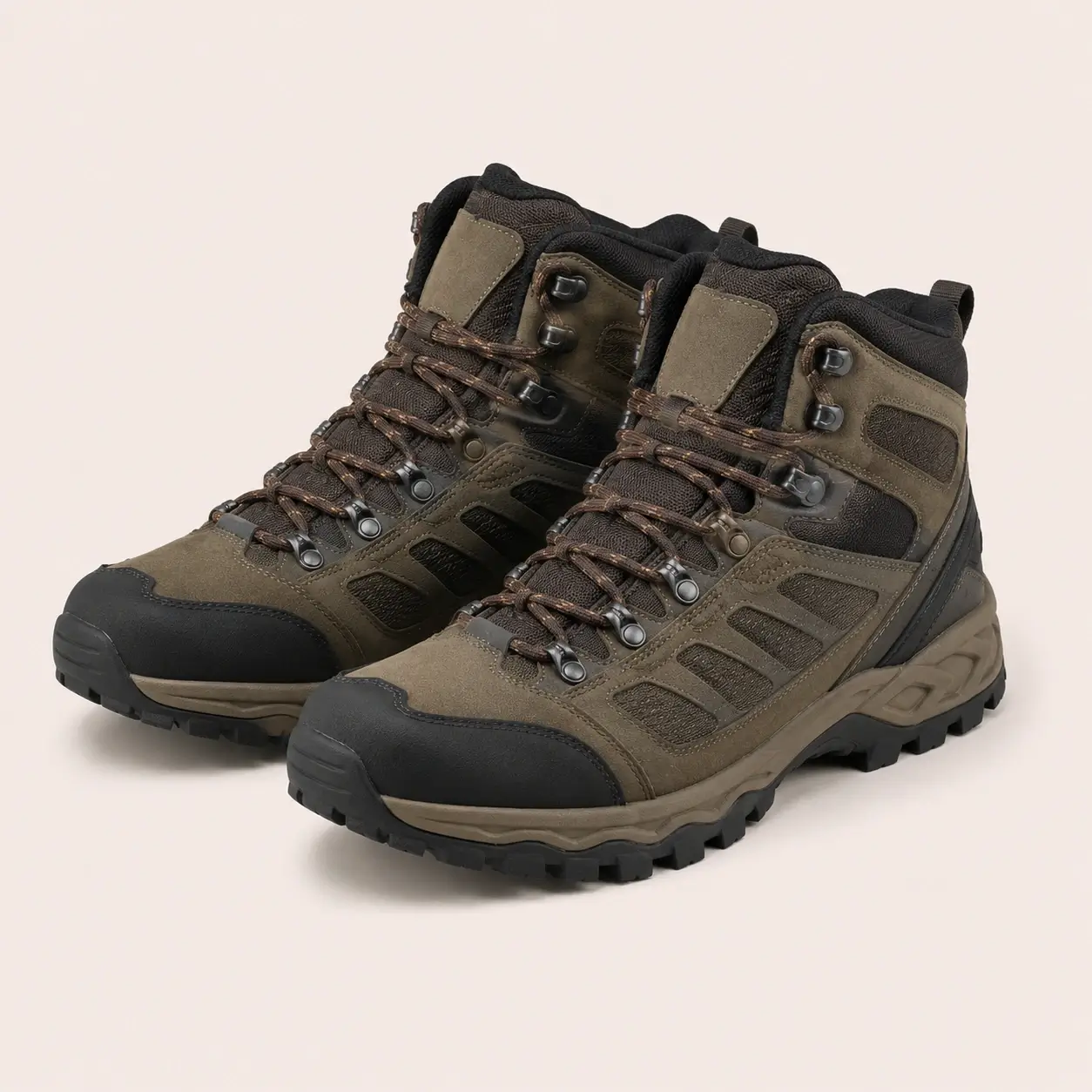
Trekking Shoes available for rent

Trekking Shoes

800
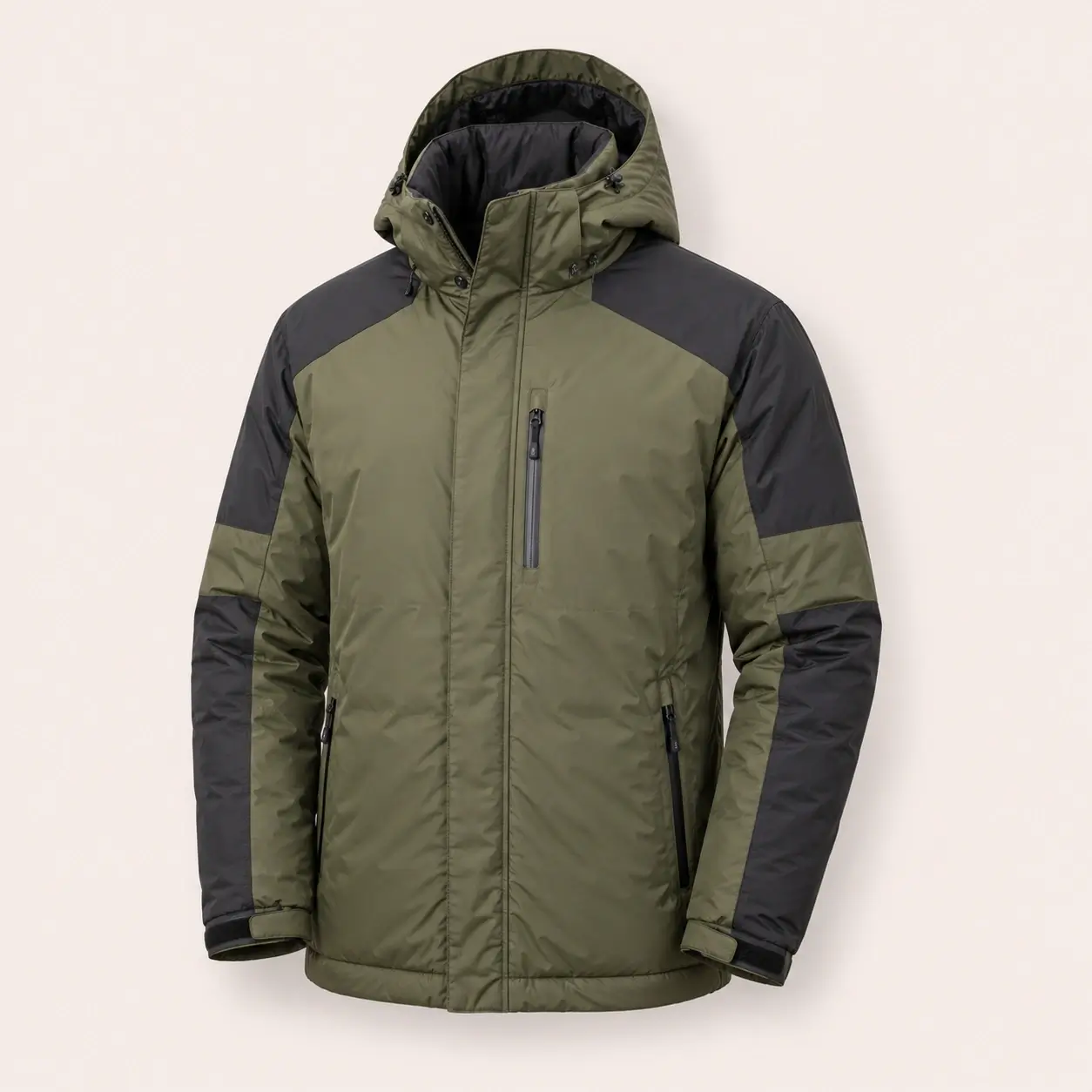
Jackets available for rent

Jackets

1000
Head Lamps available for rent

Head Lamps

250
Lunch Box available for rent

Lunch Box

250
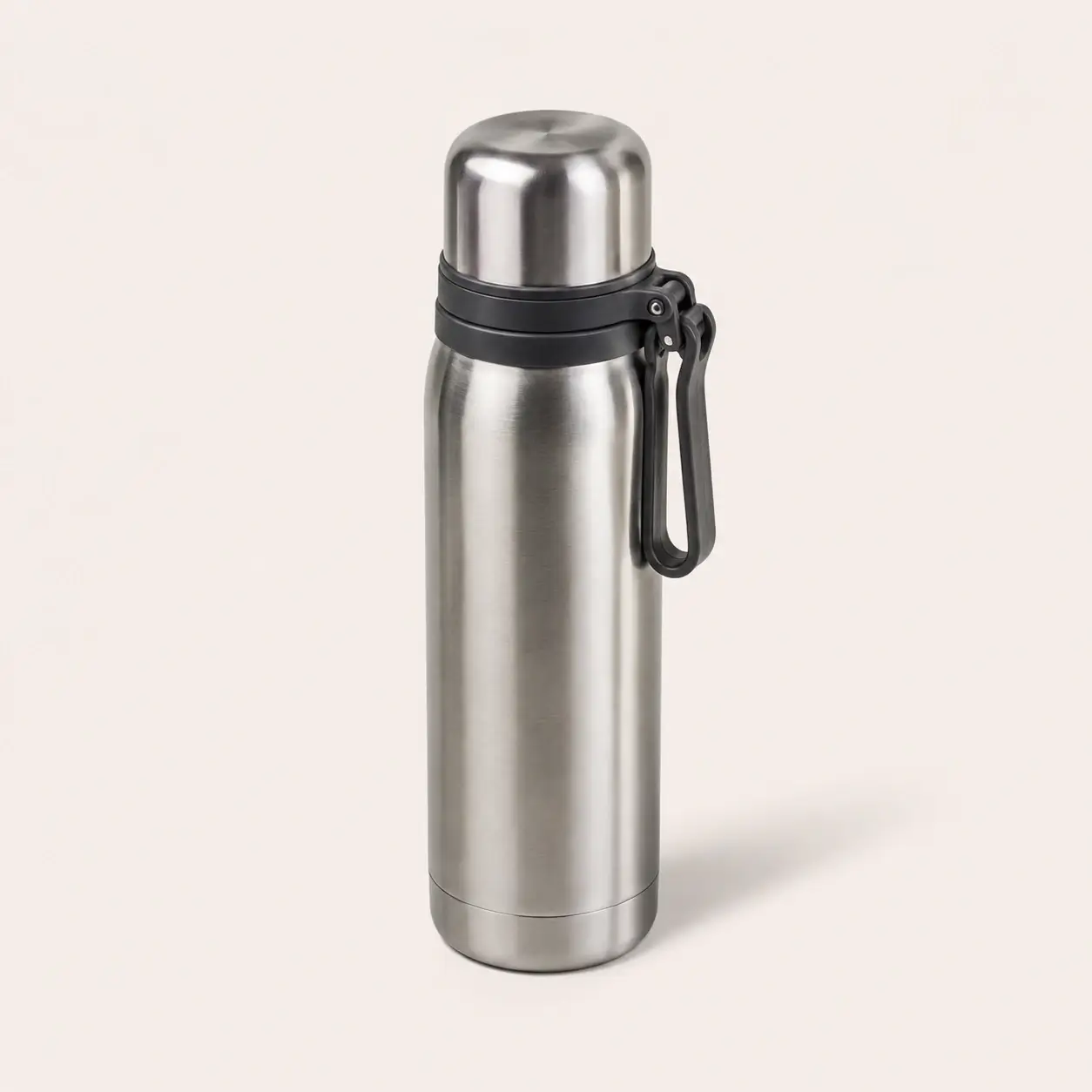
Flasks available for rent

Flasks

300
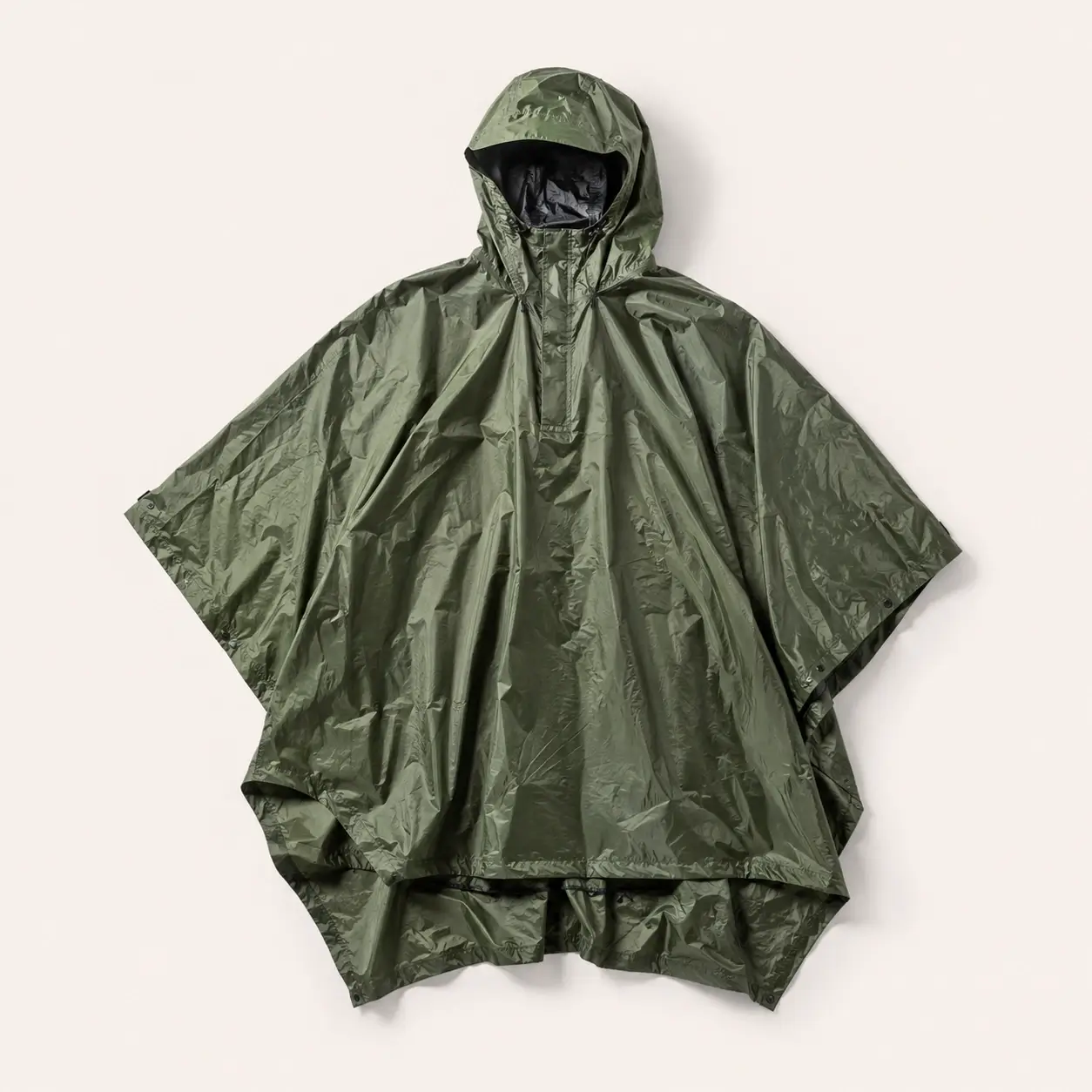
Rain Ponchos available for rent

Rain Ponchos

250
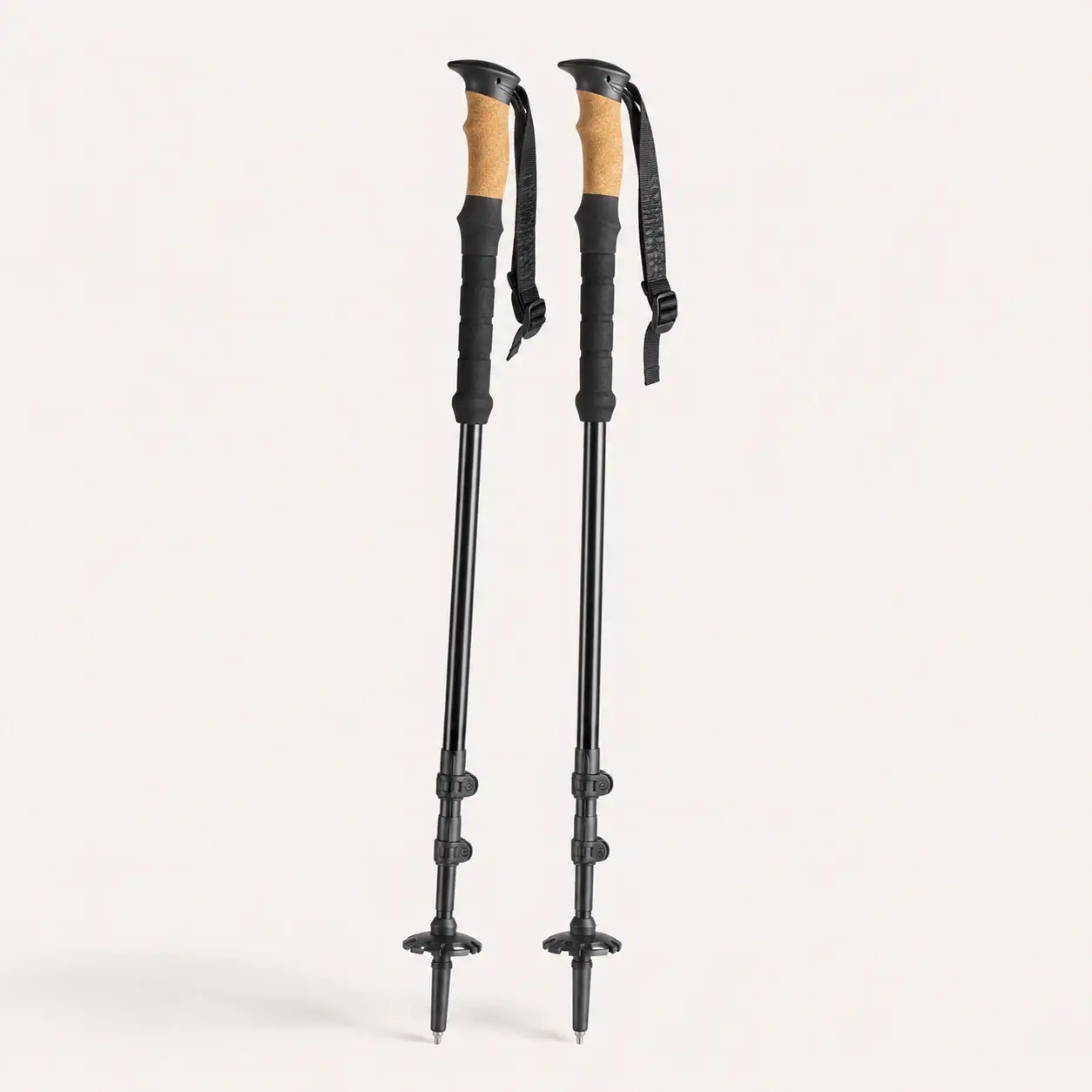
Trekking Poles available for rent

Trekking Poles

250