
Call Us WhatsApp
Har ki Dun Trek

Himalayan Trekking Adventure

Har ki Dun Trek

The Legendary Valley of Gods

Uttarkashi, Uttarakhand
Duration
7 days
Maximum Altitude
11,675 ft
Trek Distance
44–50 km
Difficulty
Easy to Moderate
Best Season
Mar–Jun and Sep–Nov
Starting Point
Dehradun
Base Camp
Sankri
Accommodation
Guesthouses, homestays, and campsites

Trek Overview

The Har Ki Dun Trek is a scenic Himalayan adventure in Uttarkashi district, Uttarakhand, known for its snow-covered peaks, dense forests, alpine meadows, traditional villages, and rich mythology. Located within Govind Pashu Vihar National Park, the beautiful Har Ki Doon Valley offers a memorable trekking experience for beginners, nature lovers, photographers, and experienced hikers.

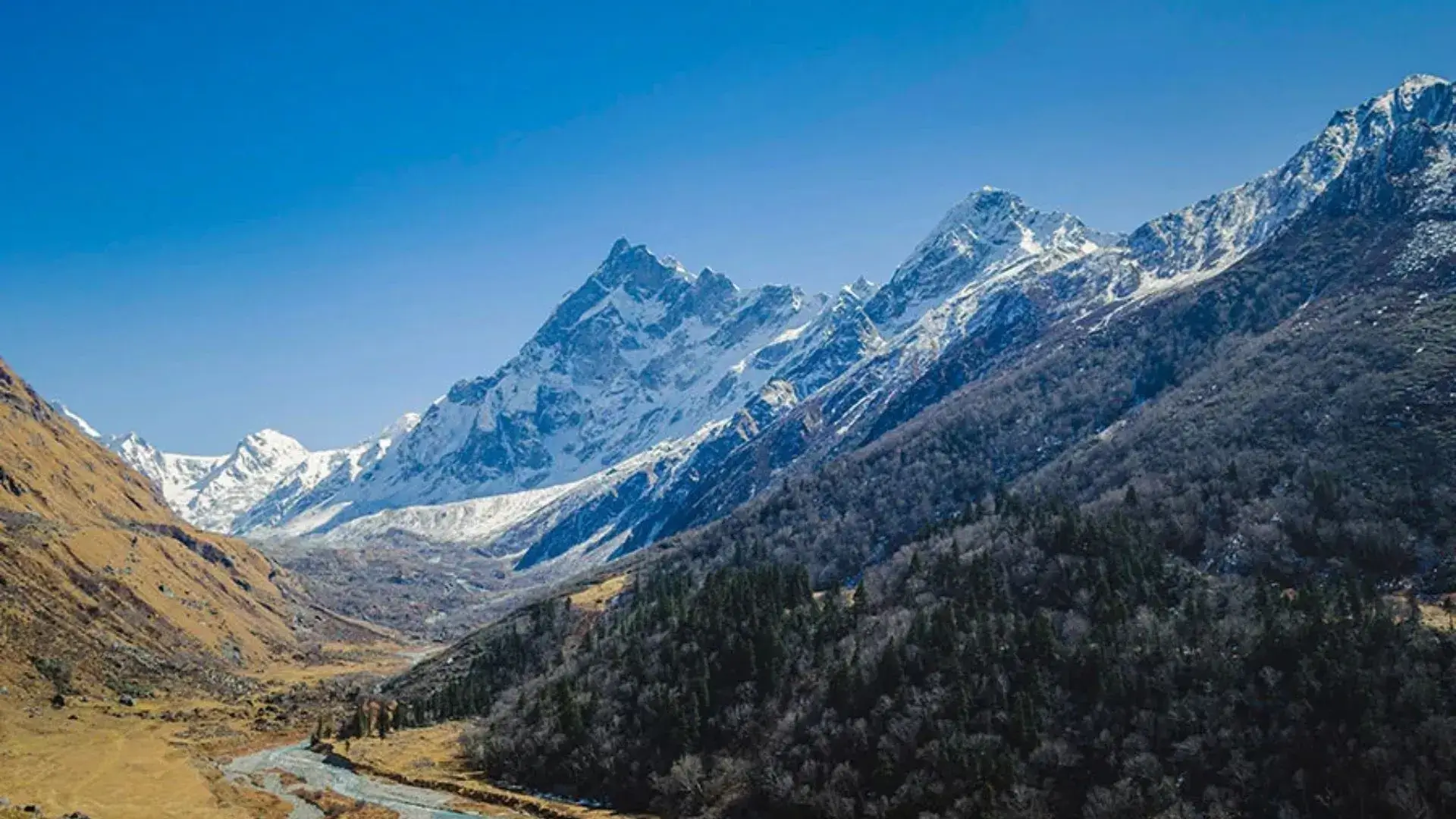
Popularly called the Valley of Gods, Har Ki Dun is associated with Hindu mythology and the legendary journey of the Pandavas towards heaven. The trail begins at Sankri village and passes through Taluka, Seema, and Osla before reaching the spectacular valley, surrounded by views of the Swargarohini massif, Black Peak (Kala Nag), and surrounding Himalayan mountains.

The journey combines natural beauty with authentic mountain culture. Trekkers walk beside the Supin River, cross wooden bridges, explore traditional Himalayan settlements, and camp beneath star-filled skies. Every season brings a different landscape, from blooming forests in spring to lush meadows in summer and snow-covered trails in winter.

With experienced trek leaders, knowledgeable local guides, quality camping equipment, and organized support, The Mountain Hike helps trekkers explore this remarkable Himalayan destination responsibly and comfortably.

Why Choose This Trek?

The Har Ki Dun Trek combines mountain scenery, cultural exploration, and a peaceful wilderness experience.

  • Legendary valley: Discover a destination associated with the Pandavas and Himalayan mythology.
  • Spectacular mountain views: Admire the Swargarohini massif, Black Peak, and surrounding snow-covered summits.
  • Traditional villages: Explore Osla and experience the architecture, customs, and hospitality of local communities.
  • Forests and meadows: Walk through pine, deodar, and oak forests, open grasslands, and riverside trails.
  • Wildlife and nature: Explore a protected Himalayan landscape known for its biodiversity.
  • Camping under the stars: Enjoy peaceful evenings surrounded by forests, rivers, and mountains.

With The Mountain Hike, trekkers receive organized logistics, experienced local support, camping arrangements, and guidance throughout the journey.

Everything You Need To Know

This seven-day plan includes travel from Dehradun, trekking through traditional villages, time in the valley, and the return journey. Exact distances and campsite arrangements may vary according to trail conditions and the operator’s final plan.

Day 1

Dehradun → Sankri

Scenic drive via Mussoorie, Purola, and Mori, with beautiful views of forested hills, rivers, and mountain villages.

Day 2

Sankri → Taluka → Seema

Drive to Taluka and trek alongside the Supin River through dense forests, wooden bridges, and peaceful riverside trails.

Day 3

Seema → Osla → Kalkattiyadhar

Walk through traditional Osla village, forest trails, and open mountain landscapes before reaching Kalkattiyadhar.

Day 4

Kalkattiyadhar → Har Ki Dun Valley

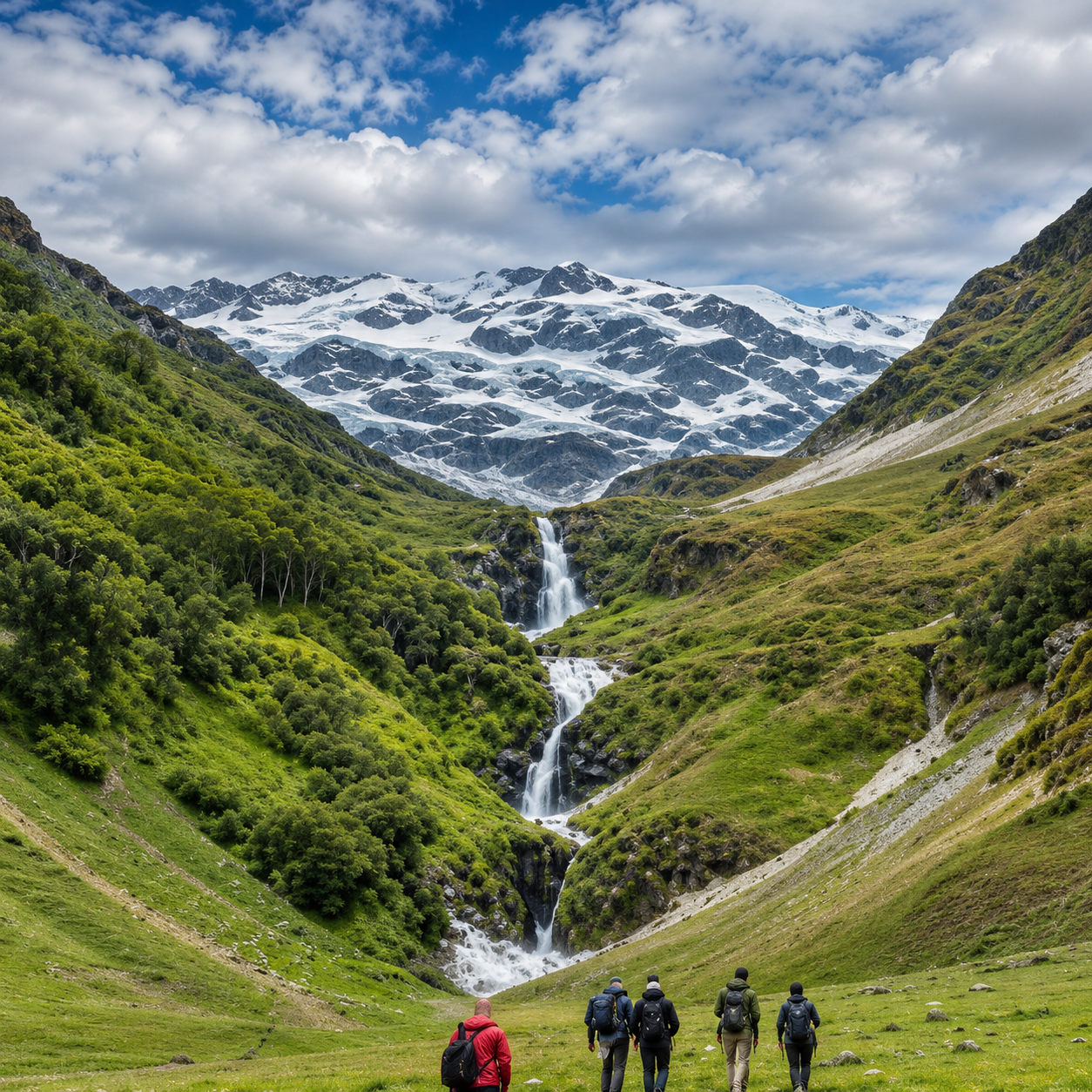
Trek through alpine meadows and mountain streams to reach the beautiful Har Ki Dun Valley, with views of the Swargarohini massif and surrounding Himalayan peaks.

Day 5

Har Ki Dun Valley → Seema

Enjoy the valley scenery before descending through meadows, forests, and riverside trails towards Seema.

Day 6

Seema → Taluka → Sankri

Trek back to Taluka along the Supin River and drive to Sankri for an overnight stay.

Day 7

Sankri → Dehradun

Return to Dehradun via Mori, Purola, and Mussoorie, concluding your memorable Himalayan adventure.
Dehradun to Sankri

200 km 7–8 hours Guesthouse or homestay

Begin with an early morning drive from Dehradun towards Sankri. The scenic route passes through Mussoorie, Purola, and Mori, offering views of forested hills, rivers, and mountain villages. After arriving in Sankri, settle into your accommodation, meet the trek team, and attend a briefing before the adventure begins.


Sankri to Taluka and Seema

12 km 5–6 hours Campsite or designated accommodation at Seema

Drive to Taluka and begin trekking along the Supin River. The trail passes through forests, wooden bridges, small settlements, and peaceful riverside stretches. Enjoy the changing scenery before reaching Seema for an evening of rest.


Seema to Kalkattiyadhar

7 km 3–4 hours Campsite

Walk towards Osla, a traditional Himalayan village known for its wooden houses and cultural heritage. Continue through forest sections, open pastures, and scenic mountain slopes towards Kalkattiyadhar. Spend the evening enjoying the surrounding landscapes and preparing for the next day's trek.


Kalkattiyadhar to Har Ki Dun Valley

8–10 km 5–6 hours Designated campsite, subject to route and local permissions

Continue towards the spectacular Har Ki Dun Valley through alpine landscapes, mountain streams, and open meadows. On reaching the valley, enjoy views of the Swargarohini massif and surrounding peaks. Explore the permitted areas, take photographs, and follow your trek leader's guidance before settling in for the night.


Har Ki Dun to Seema

10–12 km 5–6 hours Campsite or designated accommodation

After enjoying the mountain scenery, begin the return journey towards Seema. Descend through meadows, forest paths, and riverside trails. Take breaks along the way and enjoy the landscapes from a different perspective.


Seema to Taluka and Sankri

10–12 km 5–6 hours Guesthouse in Sankri

Follow the trail back to Taluka through forests and alongside the Supin River. From Taluka, drive to Sankri, where you can relax, enjoy a meal, and celebrate the completion of the trekking portion of your journey.


Sankri to Dehradun

200 km 7–8 hours Back to Dehradun

After breakfast, depart for Dehradun through Mori, Purola, and Mussoorie. The journey concludes with memories of mountain villages, peaceful forests, and the spectacular Himalayan landscapes of Uttarakhand.


The Har Ki Dun trail offers a varied experience, combining nature, adventure, and local culture.

Ancient forests and rivers: Walk through pine, deodar, oak, and other Himalayan vegetation while following sections of the Supin River.

Osla Village: Discover traditional wooden architecture, village life, and regional customs. Ask local guides about the area’s cultural and religious traditions.

Alpine meadows: Open grasslands provide scenic viewpoints and seasonal grazing grounds surrounded by mountain slopes.

Himalayan panoramas: The higher trail offers views of the Swargarohini massif, Black Peak, and other surrounding summits when weather conditions permit.

Wildlife and biodiversity: Govind Pashu Vihar National Park supports diverse Himalayan flora and fauna. Wildlife sightings are never guaranteed, so observe animals from a safe distance.

Camping experience: Enjoy mountain evenings, warm meals, and clear night skies while following local camping rules and minimizing environmental impact.

A little preparation can make your trip safer and more enjoyable.

  • Book early: Confirm your dates, package inclusions, permits, and accommodation.
  • Plan your arrival: Reach Dehradun at least one day before the scheduled departure to Sankri.
  • Pack appropriately: Carry layers, waterproof clothing, trekking shoes, gloves, and personal medicines.
  • Check the forecast: Review weather and trail conditions before departure.
  • Respect local communities: Ask before photographing residents and follow local customs.
  • Protect the environment: Avoid littering, minimize plastic waste, and follow Leave No Trace principles.

Har Ki Dun Trek Cost

The Har Ki Dun trek cost depends on the season, group size, accommodation, transport arrangements, and services included in the package. Before booking, compare the total price rather than the headline rate alone.

Check whether the package covers meals, permits, camping equipment, trek leaders, local guides, transfers, and emergency support. Personal expenses, insurance, and porter services for personal luggage may cost extra. Contact The Mountain Hike for current package pricing and departure availability.

The Mountain Hike focuses on organized trekking experiences across the Indian Himalayas, combining regional knowledge with responsible adventure practices.

  • Experienced leadership: Trek leaders guide participants and monitor trail conditions.
  • Local knowledge: Regional guides add context about village life, culture, and landscapes.
  • Safety planning: Briefings, first-aid provisions, and emergency procedures support responsible trekking.
  • Camping and meals: Organized equipment, accommodation, and meals help simplify the journey.
  • Transparent planning: Clear package details help travellers understand inclusions and additional costs.
  • Responsible tourism: Respect for local communities and the natural environment remains essential.

With The Mountain Hike, you can focus on experiencing the mountains while the team coordinates the agreed trekking arrangements.

The package may include accommodation, meals, camping gear, permits, trek leaders, local guides, and first-aid support. Personal expenses, insurance, transit meals, personal gear, and porter charges are generally excluded.

Inclusions

  • Guesthouse, homestay, and campsite accommodation.
  • Vegetarian meals with eggs during the trek.
  • Tents, sleeping bags, mattresses, and dining equipment.
  • Applicable forest permits and entry fees.
  • Experienced trek leaders, local guides, and support staff.
  • First-aid supplies and planned emergency arrangements.
  • Trek logistics and campsite support.

Exclusions

  • Personal expenses and travel insurance.
  • Meals during transit between Dehradun and Sankri.
  • Personal trekking clothing and equipment.
  • Porter or mule charges for personal luggage.
  • Tips and services not specified in the package.
  • Expenses caused by unforeseen events or route changes.

The Har Ki Dun trek altitude is approximately 11,600–11,700 ft (3,535–3,566 m), depending on the reference point used for the valley. This elevation makes proper pacing, hydration, and awareness of altitude-related symptoms important.

The trek is generally graded Easy to Moderate, but it requires several consecutive days of walking over uneven terrain.

Fitness Preparation

Start preparing four to six weeks before departure with:

  • Brisk walking or jogging for 30–45 minutes.
  • Stair climbing and uphill walking.
  • Squats, lunges, and basic core exercises.
  • Regular stretching and mobility exercises.

Who Can Do This Trek?

The route can suit fit beginners, nature lovers, photographers, solo travellers, and families with older children who can comfortably manage the daily walking distances. Choose a trek that matches your fitness level and consult a medical professional if you have concerns about high-altitude activity.

Walk at a steady pace, drink water regularly, and inform your trek leader immediately if you develop a headache, nausea, dizziness, unusual fatigue, or breathing difficulties. Before your trip, read the CDC’s guidance on altitude sickness to understand the risks and precautions associated with high-altitude travel.

The Har Ki Dun trek best time depends on your preferred weather, scenery, and trekking experience. Spring, summer, and autumn generally offer good opportunities, while winter requires additional preparation and confirmation of trail accessibility.

March to April

Spring

Spring brings fresh greenery, seasonal flowers, and snow patches at higher elevations. Conditions can remain cold, especially at night, and early-season snow may affect the route.

May to June

Summer

Summer is a popular season for trekking, with greener landscapes, flowing streams, and generally comfortable daytime conditions. Carry rain protection and warm layers because mountain weather can change quickly.

September to November

Autumn

Autumn often provides clear mountain views, golden forest colours, and crisp air after the monsoon. Temperatures fall as winter approaches, so warm clothing is essential.

December Onwards

Winter

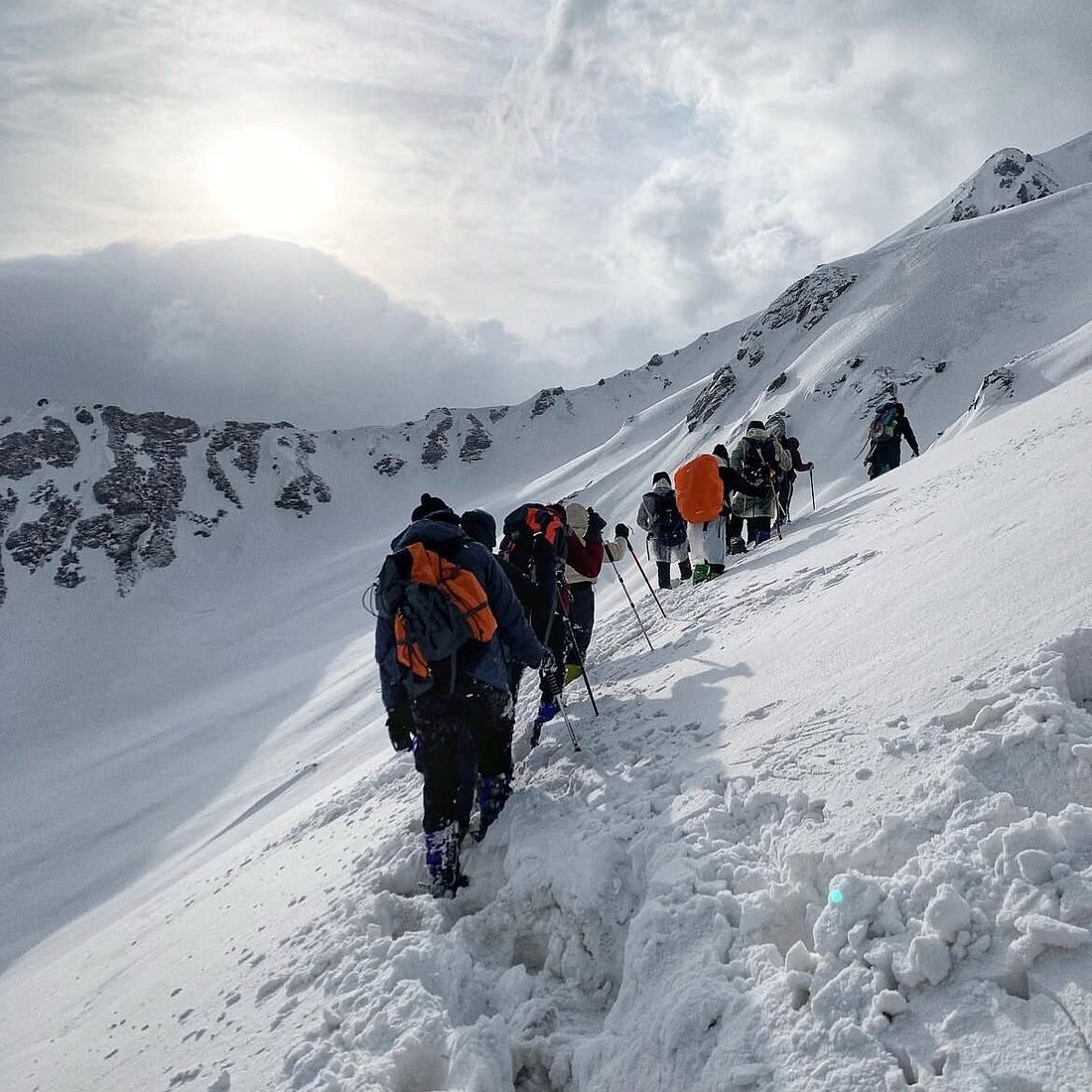
Winter can bring snow-covered forests, meadows, and trails. However, heavy snowfall, freezing nights, and changing trail conditions may make sections difficult or inaccessible. Confirm local conditions, permissions, and operator arrangements before booking. For most first-time trekkers, May–June and September–October are useful periods to consider, depending on the year's weather and trail conditions.

Clothing: Moisture-wicking shirts, trekking pants, thermal innerwear, fleece, insulated jacket, waterproof jacket, gloves, woollen cap, and extra socks.

Footwear: Broken-in trekking shoes with good grip and lightweight camp footwear.

Accessories: Sunglasses, sunscreen, reusable water bottles, trekking poles, headlamp, backpack rain cover, and personal toiletries.

Medical essentials: Personal medicines, basic first-aid supplies, blister care, and ORS sachets.

Pack according to the season and follow your trek operator’s equipment list. Avoid carrying unnecessary items that increase backpack weight.

Explore nearby places like Sankri Village, Osla Village, Ruinsara Tal, and Mori to experience beautiful mountain views, traditional village life, peaceful riversides, and the natural beauty of Uttarakhand.

Sankri Village

Located in Uttarkashi, Uttarakhand, Sankri is a beautiful mountain village and the starting point for popular treks like Har Ki Dun and Kedarkantha. It offers scenic views, peaceful surroundings, and a glimpse of local Himalayan life.

Osla Village

Situated along the Har Ki Dun Trek route, Osla is a traditional Himalayan village known for its wooden houses, mountain views, and rich cultural heritage. It is a wonderful place to experience local traditions and village life.

Ruinsara Tal

Ruinsara Tal is a stunning high-altitude lake in Uttarkashi, surrounded by green meadows, dense forests, and snow-covered Himalayan peaks. It is a beautiful trekking destination for adventure lovers seeking a quieter mountain experience.

Kedarkantha Trek

The Kedarkantha Trek is a popular winter trekking destination in Uttarakhand, starting from the Sankri region. It is known for snow-covered trails, beautiful pine forests, scenic campsites, and panoramic views of Himalayan peaks.

Bali Pass Trek

The Bali Pass Trek is a challenging high-altitude adventure connecting the Har Ki Dun and Yamunotri regions. It attracts experienced trekkers with its rugged mountain terrain, alpine meadows, glaciers, and spectacular Himalayan landscapes.

Mori

Mori is a peaceful village in Uttarkashi district, situated along the beautiful Tons River. Surrounded by forested hills and mountain scenery, it is an excellent stop for travellers exploring the Sankri region and nearby trekking destinations.

Purola

Purola is a small town in Uttarkashi district and an important stop on the road from Dehradun to Sankri. Surrounded by green hills and scenic landscapes, it offers basic facilities for travellers heading towards Har Ki Dun and other Himalayan treks.

Har ki Dun Trek FAQs

Your complete guide to planning an unforgettable Har Ki Dun Trek adventure.

Har Ki Dun is in the Uttarkashi district of Uttarakhand, within the Govind Pashu Vihar National Park region. Sankri is the usual starting point for the trek.

The valley is approximately 11,600–11,700 ft (3,535–3,566 m) above sea level, depending on the reference point.

The trek generally takes seven days when travel from Dehradun and the return journey are included. Trekking distances vary with the chosen route and campsites.

May–June and September–October are popular periods to consider for comfortable trekking conditions and mountain views. Always check the current forecast and trail status.

Yes, it can suit fit beginners who prepare in advance and can manage several hours of walking each day.

Conditions vary by season and altitude. Days may be mild during warmer months, but nights can be cold, and rain or snow may affect the trail.

The Har Ki Doon temperature can fall significantly after sunset, particularly in autumn and winter. Carry suitable insulation and a season-appropriate sleeping bag.

Winter access depends on snowfall, trail conditions, permissions, and local arrangements. Confirm accessibility with a reliable local operator before travelling.

Previous experience is helpful but not always necessary. Good fitness, suitable equipment, and following the trek leader's instructions are important.

Applicable forest entry permits and permissions may be required. Confirm the current requirements and whether your trekking package arranges them.

Connectivity is generally better in Dehradun and some lower settlements but may be limited or unavailable along the trail. Do not rely on continuous mobile coverage.

Carry trekking shoes, warm layers, rain protection, gloves, sunglasses, sunscreen, water bottles, a headlamp, personal medicines, and other season-specific essentials.

Solo travellers can enquire about joining scheduled group departures, subject to availability and the operator's booking policies.

Packages may include accommodation, meals, permits, camping equipment, trek leaders, local guides, and support staff. Check the confirmed package for exact details.

The Mountain Hike offers organized Himalayan trekking experiences with experienced trek leaders, local guides, camping support, clear package information, and an emphasis on safety and responsible travel.

Stories From The Trail

Hear from trekkers who have experienced the Himalayan trails with The Mountain Hike.

Trek Gear Rental

Rent Trekking Gear & Equipment

Travel light and rent essential trekking gear for your adventure. Check the available equipment and choose what you need for your trek.

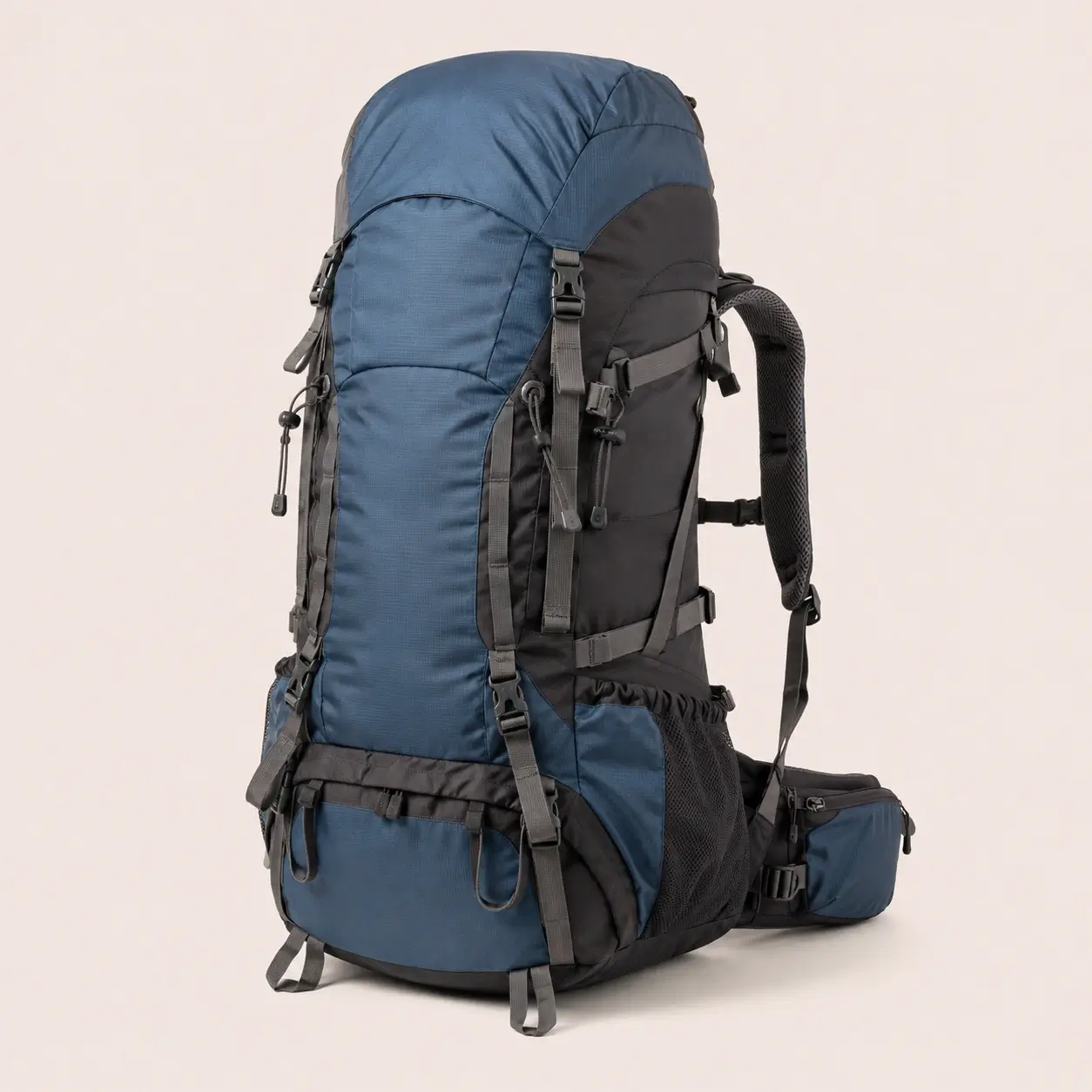
Rucksack available for rent

Rucksack

900
Gloves available for rent

Gloves

250
Cap available for rent

Cap

200
Power Bank available for rent

Power Bank

300
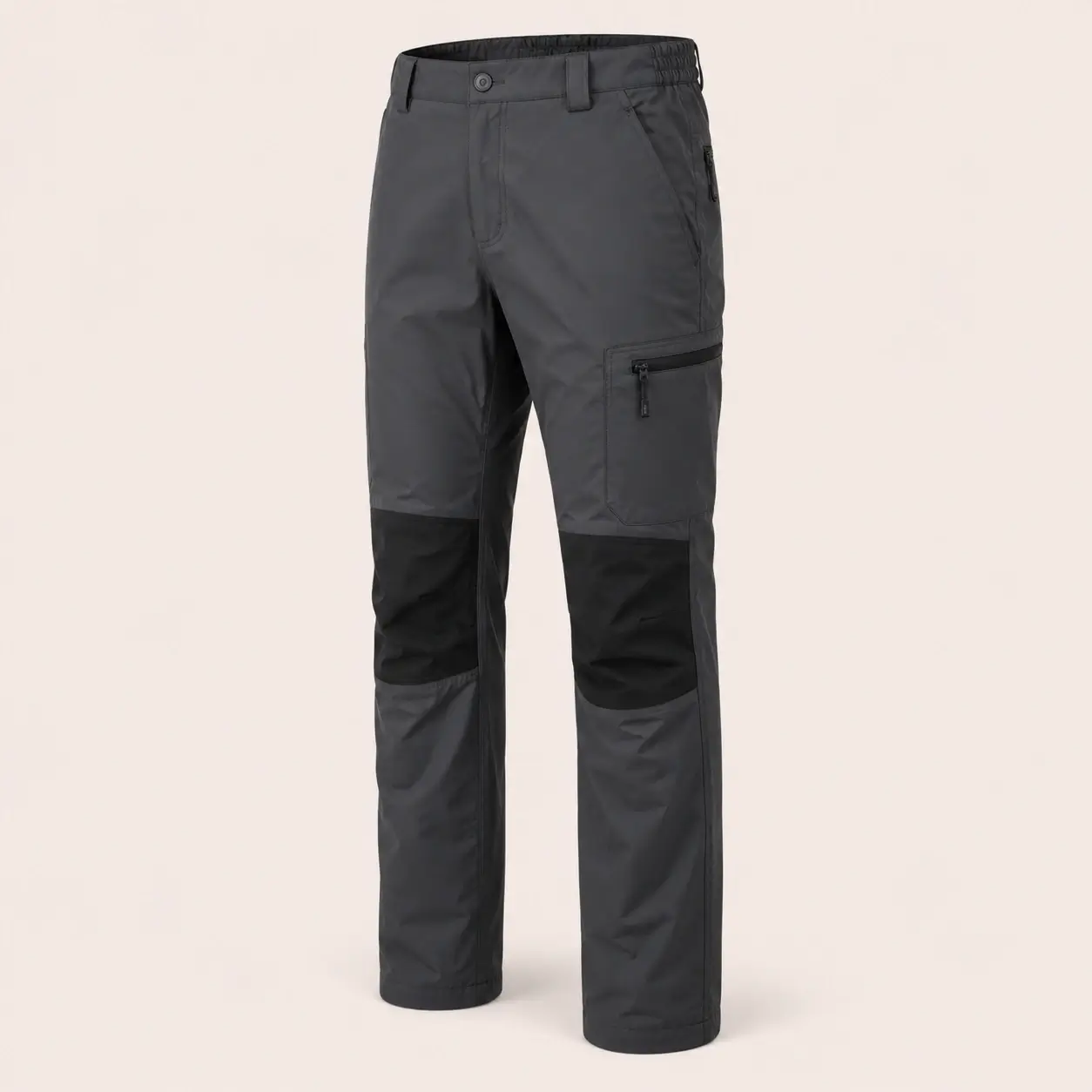
Trekking Pants available for rent

Trekking Pants

800
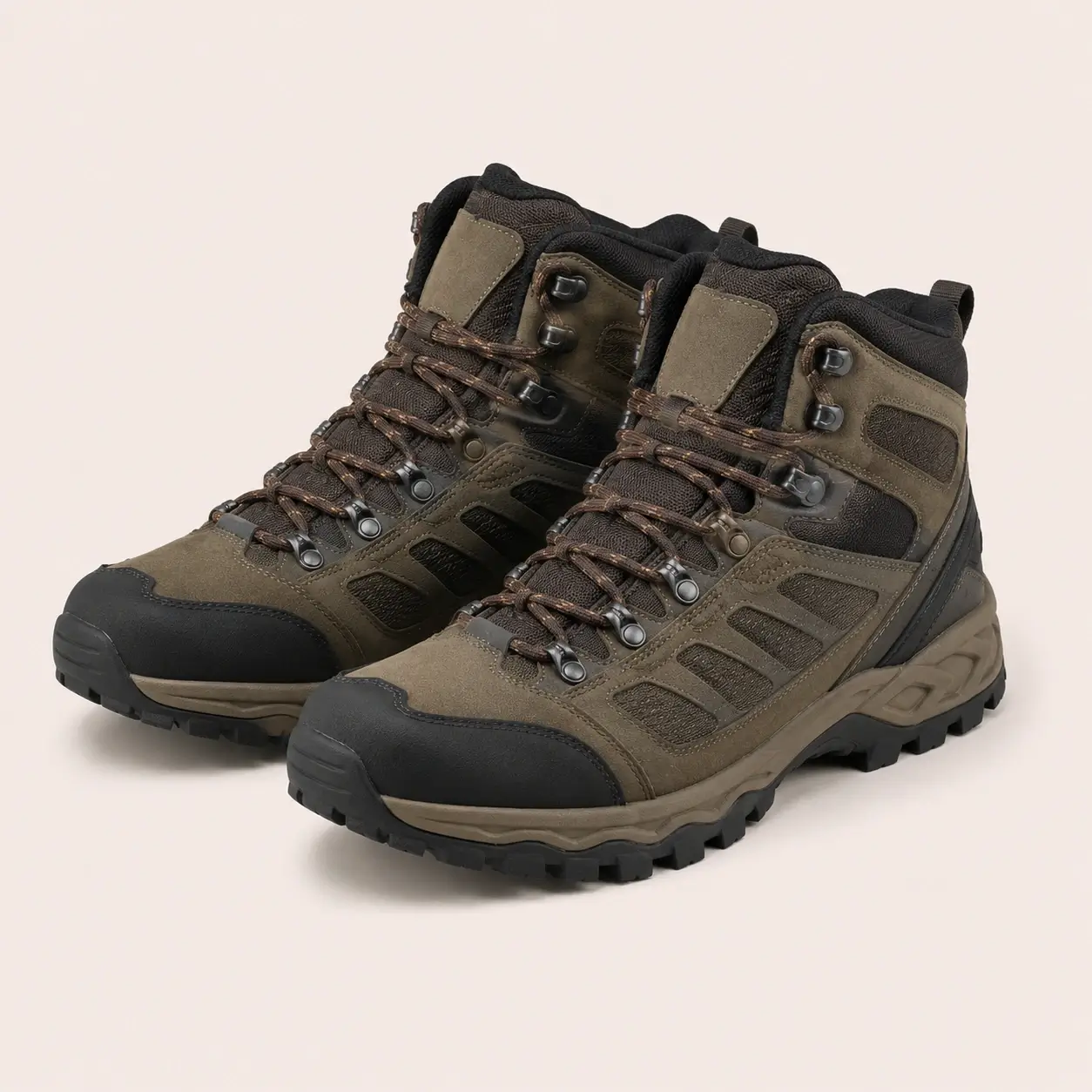
Trekking Shoes available for rent

Trekking Shoes

800
Jackets available for rent

Jackets

1000
Head Lamps available for rent

Head Lamps

250
Lunch Box available for rent

Lunch Box

250
Flasks available for rent

Flasks

300
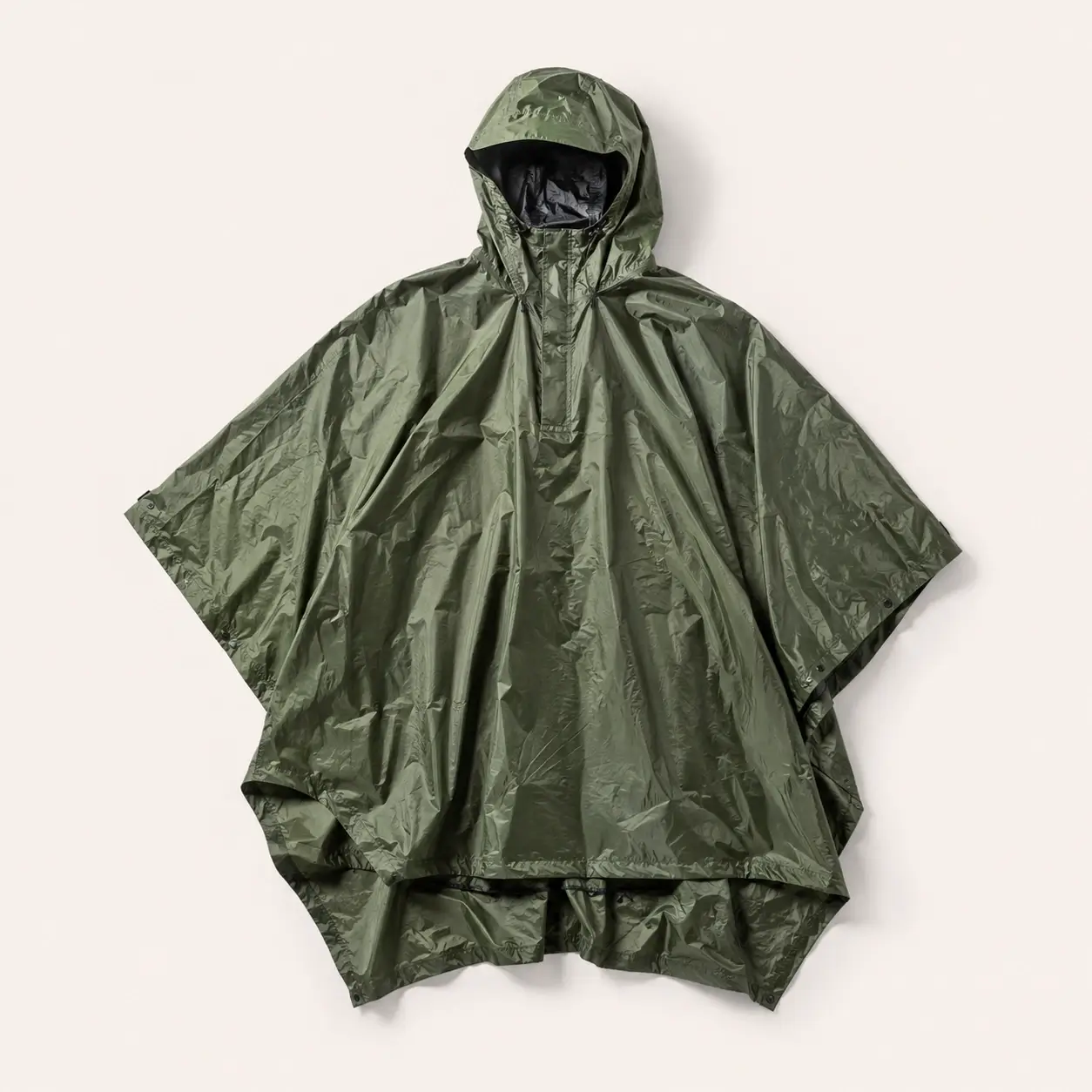
Rain Ponchos available for rent

Rain Ponchos

250
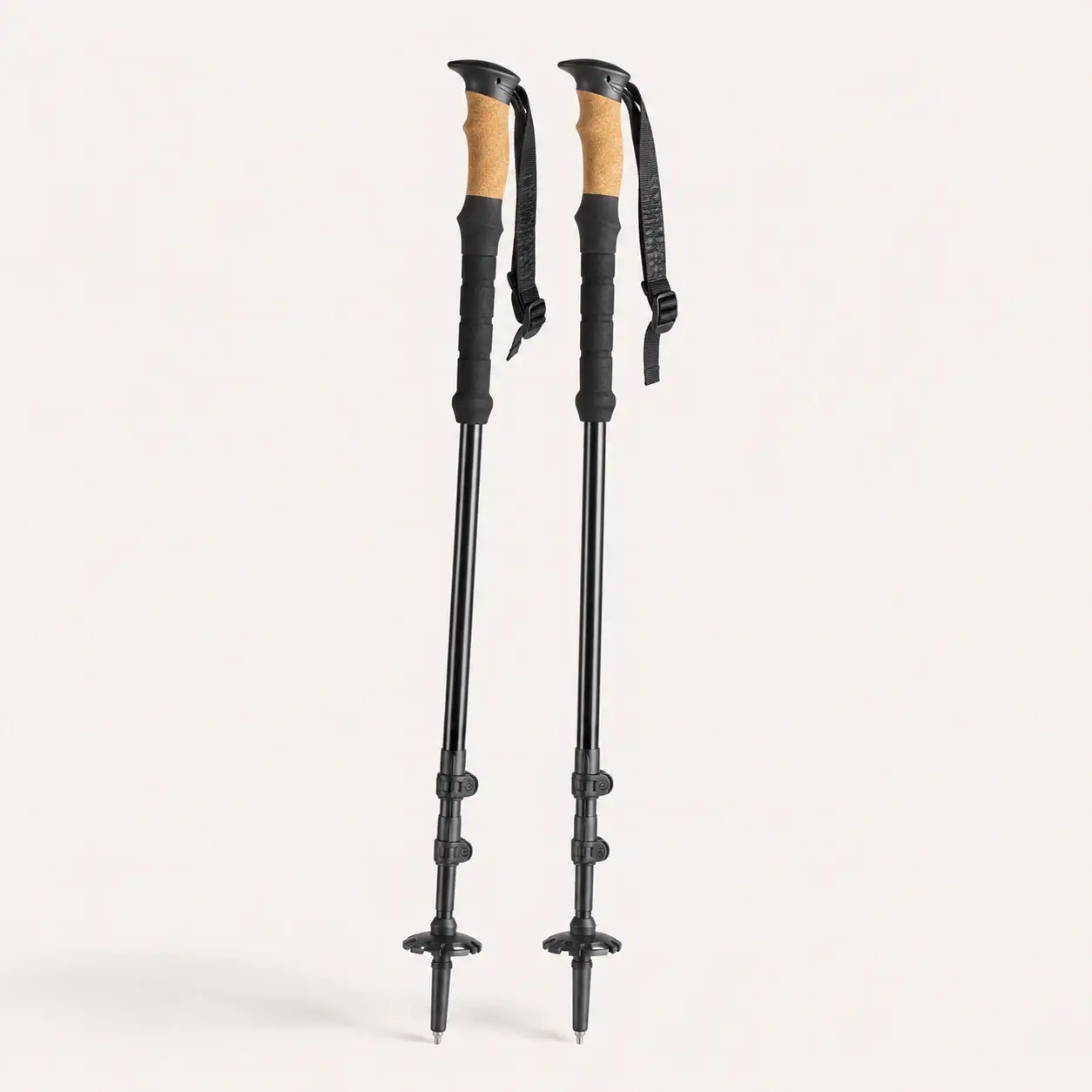
Trekking Poles available for rent

Trekking Poles

250