Call Us WhatsApp
Valley of Flowers Trek

Himalayan Trekking Adventure

Valley of Flowers Trek

A Walk Through the Himalayan Garden

Chamoli, Uttarakhand
Duration
6 Days / 5 Nights
Maximum Altitude
4,300 m (14,107 ft)
Trek Distance
38–45 km
Difficulty
Easy to Moderate
Best Season
Jul to Sep
Starting Point
Rishikesh
Base Camp
Joshimath
Accommodation
Hotels & Guesthouses

Trek Overview

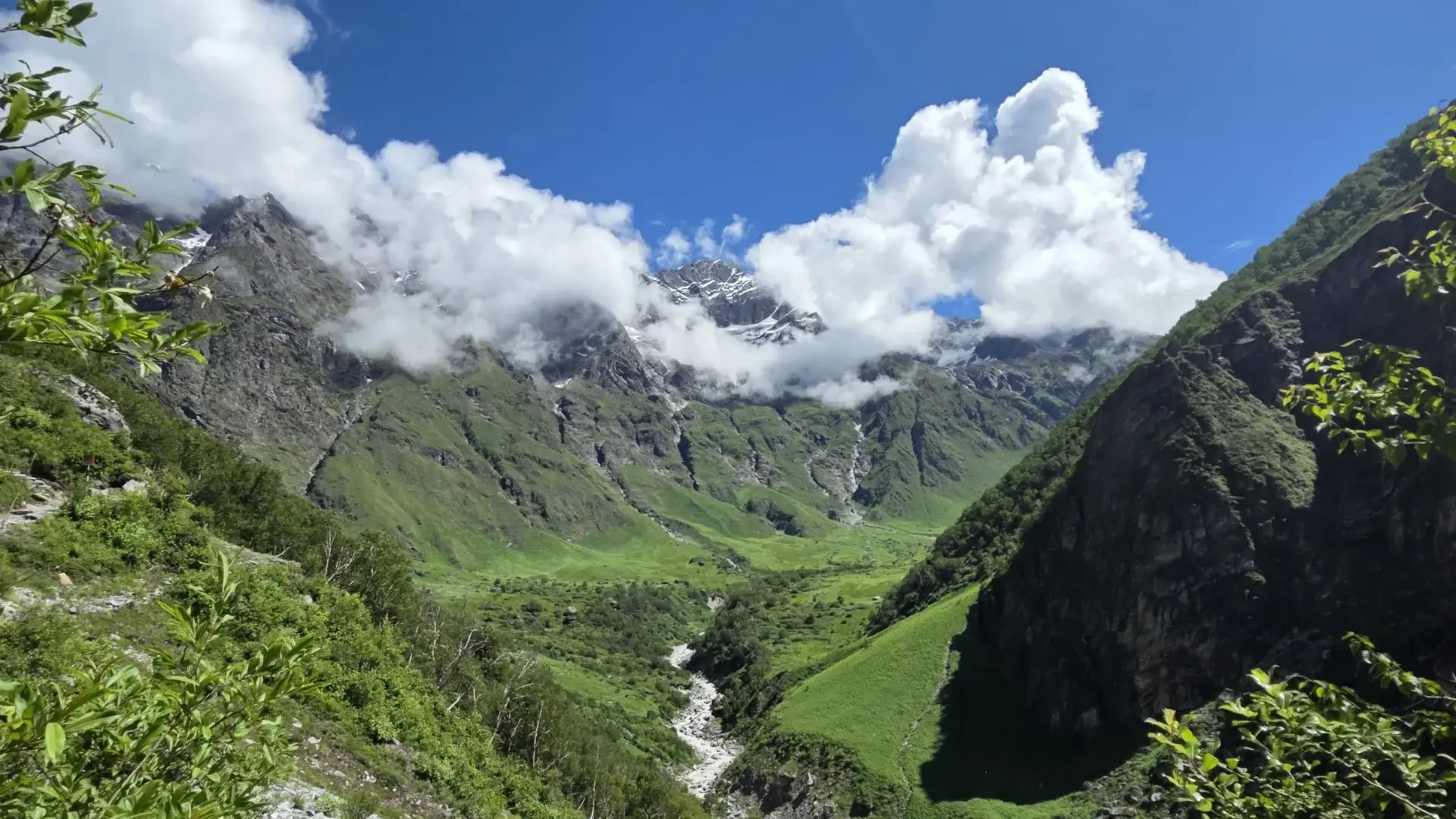
The Valley of Flowers Trek is one of the most beautiful Himalayan journeys in Uttarakhand, known for its colorful alpine meadows, rare Himalayan flowers, waterfalls, glacial streams, lush forests, and spectacular mountain scenery. Located in the Chamoli district within the UNESCO World Heritage-listed Valley of Flowers National Park, this journey offers an exceptional combination of nature, adventure, biodiversity, and spirituality.

Every year during the monsoon season, the valley transforms into a natural garden as hundreds of species of alpine flowers bloom across its vast meadows. Blue Primula, Himalayan Blue Poppy, Cobra Lily, Marsh Marigold, Geraniums, Anemones, and several other Himalayan flowers can be seen during different stages of the flowering season.

For travelers planning the Valley of Flowers Trek Uttarakhand, the journey begins from Rishikesh and continues through the Garhwal Himalayas towards Joshimath and Govindghat. From Govindghat, trekkers proceed to Pulna before beginning the walking trail towards Ghangaria, which serves as the base for exploring both the Valley of Flowers and Hemkund Sahib.

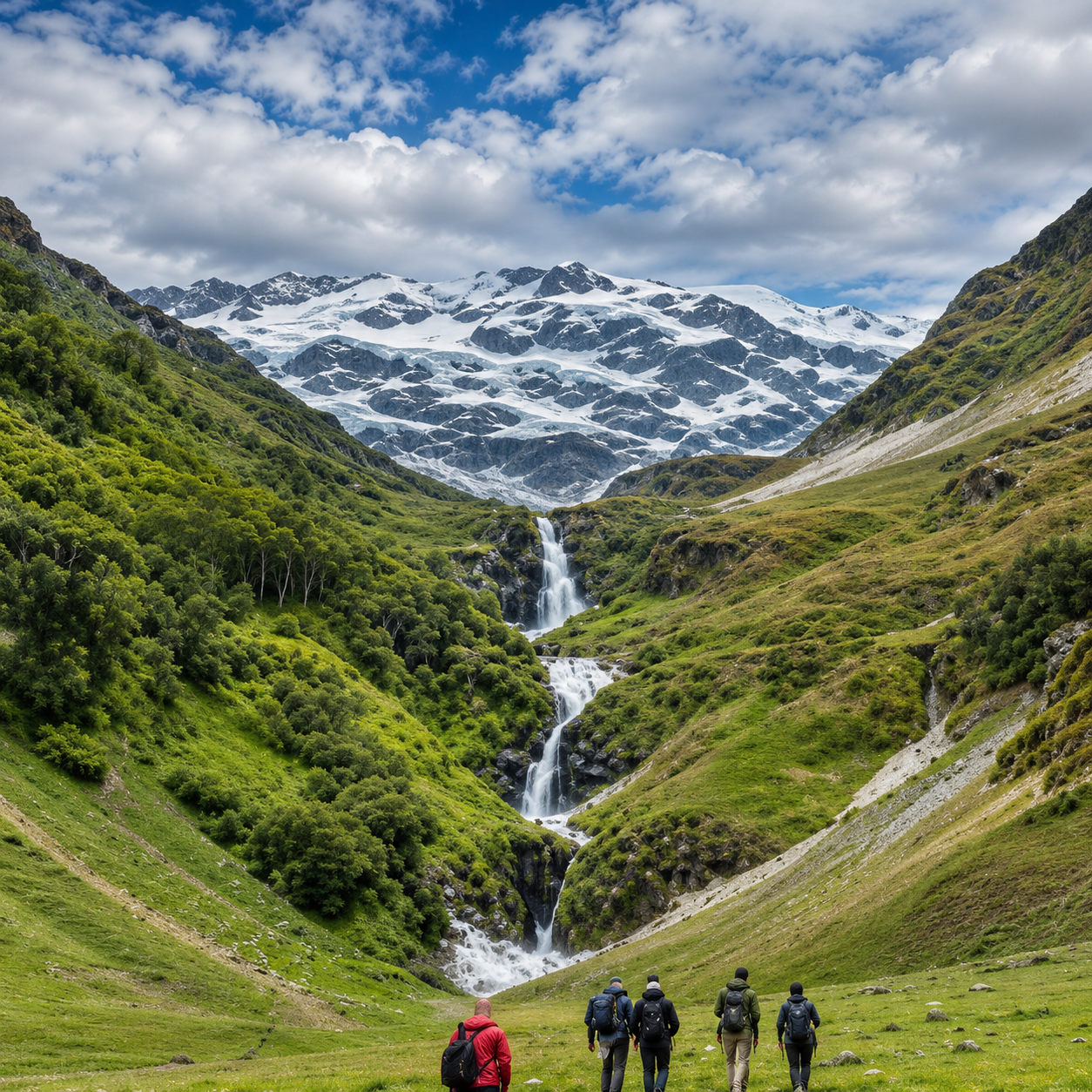
The trail takes you through forests, waterfalls, suspension bridges, riverside paths, and Himalayan villages before reaching the spectacular alpine landscapes of the national park. The Pushpawati River accompanies sections of the journey, adding to the natural beauty of the route.

Another major highlight is Hemkund Sahib, located at approximately 4,300 metres. Surrounded by seven snow-covered peaks and a glacial lake, this sacred Sikh pilgrimage site adds a spiritual dimension to the adventure.

With manageable trails and spectacular landscapes, the Valley of Flowers Uttarakhand Trek is suitable for beginners, nature lovers, photographers, families, pilgrims, and experienced trekkers looking for a memorable Himalayan experience.

Organized by The Mountain Hike, the journey includes experienced trek leaders, accommodation, meals, permits, transportation as per the itinerary, and trekking support for a comfortable and well-managed adventure.

Why Choose This Trek?

The Valley of Flowers offers a Himalayan experience unlike most conventional mountain trails. Instead of being defined only by altitude or summit views, this journey is centered around biodiversity, alpine flowers, waterfalls, forests, rivers, and spectacular mountain landscapes.

Its biggest attraction is the UNESCO World Heritage-listed Valley of Flowers National Park. During the blooming season, the alpine meadows transform into a colorful landscape filled with hundreds of species of Himalayan flowers. Different flowers bloom at different stages of the season, which means the appearance of the valley continues to change throughout the trekking months.

The journey is equally rewarding for photographers and nature enthusiasts. Colorful meadows, flowing streams, waterfalls, mist-covered mountains, snow-capped peaks, butterflies, birds, and changing weather conditions create endless opportunities for landscape and nature photography.

Hemkund Sahib adds an entirely different dimension to the journey. Situated at approximately 4,300 metres, the sacred Gurudwara is surrounded by a glacial lake and towering Himalayan peaks. The combination of spirituality and dramatic high-altitude scenery makes this day particularly memorable.

Despite its spectacular setting, the route does not require technical mountaineering skills. The trails are generally well defined, making the journey suitable for physically fit beginners as well as experienced trekkers.

For anyone looking for a Himalayan adventure combining nature, spirituality, biodiversity, photography, and comfortable guesthouse accommodation, this trek offers an exceptionally rewarding experience.

Everything You Need To Know

The Valley of Flowers Trek Itinerary covers a scenic 6-day journey through the Garhwal Himalayas, beginning from Rishikesh and continuing through Joshimath, Govindghat, Pulna, and Ghangaria. The route includes the spectacular Valley of Flowers National Park and a high-altitude excursion to Hemkund Sahib at approximately 4,300 metres.

The Garhwal Himalayas are also home to several other popular trekking experiences, including the Kuari Pass Trek, Pangarchulla Peak Trek, and Ali Bedni Bugyal Trek, making this region a great choice for trekkers looking to explore different Himalayan landscapes.

During the Valley of Flowers journey, trekkers experience alpine meadows, colorful Himalayan flowers, waterfalls, forests, rivers, and dramatic mountain landscapes. With carefully planned travel, trekking, accommodation, meals, and support, The Mountain Hike helps make the journey comfortable, organized, and enjoyable for both beginners and experienced trekkers.


Day 1

Rishikesh → Joshimath

Scenic drive via Devprayag, Rudraprayag, Karnaprayag, and Nandaprayag.

Day 2

Joshimath → Govindghat → Pulna → Ghangaria

Drive to Govindghat and trek from Pulna to Ghangaria through forests, waterfalls, and riverside trails.

Day 3

Ghangaria → Valley of Flowers → Ghangaria

Explore the Valley of Flowers, alpine meadows, colorful Himalayan flowers, waterfalls, and the Pushpawati River.

Day 4

Ghangaria → Hemkund Sahib → Ghangaria

Trek to Hemkund Sahib at 4,300 m and experience the glacial lake and spectacular Himalayan views.

Day 5

Ghangaria → Govindghat → Joshimath

Scenic return drive through the beautiful river valleys and mountain roads of the Garhwal Himalayas.

Day 6

Joshimath → Rishikesh

Day 1

275 km 9–10 hrs Hotel in Joshimath

Your journey begins with an early morning departure from Rishikesh towards Joshimath.

The scenic drive follows the Alaknanda River and passes through several important Himalayan confluences, including Devprayag, Rudraprayag, Karnaprayag, and Nandaprayag.

Throughout the journey, winding mountain roads provide views of deep valleys, waterfalls, forests, rivers, terraced fields, and traditional Garhwali settlements.

As you travel deeper into the Garhwal Himalayas, the surroundings gradually become more mountainous. Upon reaching Joshimath, check into your hotel and relax after the long road journey.

Dinner and an overnight stay are arranged in Joshimath.


Day 2

26 km 1 hr Guesthouse in Ghangaria

After breakfast, drive from Joshimath towards Govindghat. From Govindghat, continue towards Pulna, from where the trekking portion of the journey begins.

The trail follows the Pushpawati River and passes through dense forests, waterfalls, suspension bridges, and Himalayan settlements.

The gradual ascent allows trekkers to enjoy the surrounding landscapes while maintaining a comfortable walking pace.

As you move deeper into the mountains, views of Hathi Parvat, Bhyundar Valley, and the surrounding Himalayan landscapes begin to unfold.

By evening, reach Ghangaria, which serves as the base camp for both the Valley of Flowers and Hemkund Sahib.

Check into your guesthouse, enjoy a warm meal, and rest for the night.


Day 3

8–10 km 5–6 hrs Guesthouse in Ghangaria

Today is the most anticipated day of the journey as you enter the famous Valley of Flowers National Park.

After completing the required entry formalities, begin the trek to Valley of Flowers. The trail gradually opens into vast alpine landscapes surrounded by mountains, streams, waterfalls, and colorful vegetation.

During the peak flowering period, the meadows are covered with numerous varieties of Himalayan flowers. Blue Primulas, Himalayan Blue Poppies, Cobra Lilies, Marsh Marigolds, Geraniums, Anemones, and several other species may be seen depending on the season and blooming cycle.

The Pushpawati River, mountain streams, waterfalls, and surrounding Himalayan peaks create a spectacular natural backdrop.

Spend sufficient time exploring the valley, enjoying the landscapes, and capturing photographs before beginning the return walk towards Ghangaria.

Reach your guesthouse by evening for dinner and an overnight stay.


Day 4

12 km 6–7 hrs Guesthouse in Ghangaria

Begin early for the climb towards Hemkund Sahib, the highest point of the itinerary.

This section is more demanding because the trail gains considerable altitude over a relatively short distance. Maintain a comfortable pace and take regular breaks while ascending.

The landscape becomes increasingly alpine as you gain elevation. During the appropriate season, Brahma Kamal can be seen around the higher regions.

Upon reaching Hemkund Sahib, experience the peaceful surroundings of the sacred Gurudwara and its glacial lake. Seven surrounding peaks create a dramatic mountain backdrop.

The nearby Lakshman Temple adds further spiritual significance to the region.

After spending time at Hemkund Sahib, begin the descent towards Ghangaria.

Reach the guesthouse by evening and rest after completing the most physically demanding day of the journey.


Day 5

9 km 4–5 hrs Hotel in Joshimath

After breakfast, leave Ghangaria and begin the descent towards Pulna and Govindghat.

Walking downhill provides another opportunity to enjoy the forests, waterfalls, bridges, rivers, and Himalayan landscapes experienced during the ascent.

Upon reaching Govindghat, board your vehicle and continue towards Joshimath.

Depending on available time, weather, and road conditions, an optional visit to Badrinath may be possible.

Return to Joshimath and spend the night at the hotel.


Day 6

275 km 10–11 hrs Back to Rishikesh

After breakfast, begin the return journey towards Rishikesh.

The drive once again follows the beautiful mountain roads of the Garhwal Himalayas and passes through river valleys, confluences, forests, and traditional settlements.

As you descend towards Rishikesh, you leave behind the flower-covered meadows, mountain streams, forests, and spiritual surroundings that made the journey memorable.

Arrive in Rishikesh by evening, marking the completion of the adventure.


The journey offers a constantly changing trail experience, moving through riverside paths, forests, waterfalls, mountain villages, alpine meadows, and high-altitude terrain.

Scenic Himalayan Drive

The journey from Rishikesh to Joshimath is an experience in itself.

The road follows the Alaknanda River and passes through several important confluences, mountain towns, forests, and deep Himalayan valleys.

The changing scenery provides a beautiful introduction to the Garhwal Himalayas before the trekking portion begins.

Pulna to Ghangaria Trail

The trekking trail from Pulna gradually climbs towards Ghangaria.

Trekkers walk alongside sections of the Pushpawati River while crossing forest paths, bridges, waterfalls, and mountain settlements.

The trail is well established and is shared by trekkers as well as pilgrims traveling towards Hemkund Sahib.

Inside the Valley of Flowers

Entering the national park brings a dramatic change in scenery.

Forested trails gradually give way to wide alpine landscapes filled with flowers, streams, waterfalls, and surrounding mountains.

The appearance of the valley changes throughout the season because different flowers bloom at different times.

Hemkund Sahib Trail

The route from Ghangaria to Hemkund Sahib is considerably steeper than the trail into the Valley of Flowers.

As altitude increases, vegetation changes and the surrounding landscape becomes more rugged.

Reaching the Gurudwara and glacial lake at approximately 4,300 metres provides both a spiritual and scenic reward after the demanding ascent.

Flora & Fauna

Valley of Flowers National Park is internationally known for its rich Himalayan biodiversity.

Hundreds of species of alpine plants grow across the region. Depending on the blooming period, visitors may encounter Blue Primula, Himalayan Blue Poppy, Cobra Lily, Geraniums, Marsh Marigold, Anemones, and several other species.

The wider ecosystem also supports Himalayan birds, butterflies, and wildlife such as Himalayan Tahr, Musk Deer, Blue Sheep, and Himalayan Monal.

Wildlife sightings are never guaranteed, and visitors should maintain an appropriate distance from any animals encountered.


If you are planning the Valley of Flowers Trek 2026, proper preparation is particularly important because the journey takes place during the monsoon and post-monsoon period.

Choose your travel dates according to what you want to experience. July and August are generally preferred for flowers, while September can offer clearer mountain views.

Rainfall is common during the main flowering season, so waterproof clothing, suitable trekking shoes, backpack protection, and quick-dry clothing are important.

Accommodation at Joshimath and Ghangaria should also be planned in advance during busy periods.

The journey involves both long road travel and several trekking days, so travelers should keep enough time for transportation and avoid overly tight onward travel schedules.

How to Reach Rishikesh

The organized journey begins from Rishikesh, which is well connected by road, rail, and air.

By Air

Jolly Grant Airport near Dehradun is the nearest major airport to Rishikesh.

Taxis and local transportation are available between the airport and Rishikesh.

By Train

Rishikesh Railway Station provides rail connectivity, while Haridwar Railway Station offers additional connections with major Indian cities.

Road transport is easily available between Haridwar and Rishikesh.

By Road

Rishikesh is well connected by road with Delhi, Haridwar, Dehradun, Chandigarh, and other major North Indian cities.

Government buses, private buses, shared taxis, and private vehicles are commonly available.

Choosing the right trekking organization can make your Himalayan journey considerably more comfortable and organized. At The Mountain Hike, we focus on creating well-planned experiences that balance adventure, safety, comfort, and responsible travel.

Our experienced trek leaders and local guides understand the Himalayan terrain, weather conditions, trekking routes, and local environment. Their support helps participants maintain an appropriate pace and navigate the different sections of the journey with greater confidence.

Safety remains an important part of our trek management. Our teams carry appropriate first-aid and emergency equipment according to the trek plan while monitoring weather, trail conditions, and participant well-being throughout the journey.

Accommodation is arranged in selected hotels and guesthouses according to the itinerary, providing trekkers with a comfortable place to rest after long walking days. Meals included in the package are planned to provide the energy required for the trekking experience.

Transportation, accommodation, applicable permits, trek coordination, and other included logistics are managed in advance so participants can focus on experiencing the landscapes instead of worrying about operational arrangements.

The Mountain Hike also promotes responsible trekking by encouraging visitors to respect national park regulations, avoid plastic waste, protect Himalayan flora and fauna, and leave the natural environment as they found it.

Knowing the package details in advance helps you prepare better for your Valley of Flowers Trek. Check the services covered by the trek operator, along with the personal costs and additional expenses that are not part of the package.

Inclusions

  • Transportation as specified in the itinerary.
  • Accommodation in hotels and guesthouses on a sharing basis.
  • Meals as specified in the selected package.
  • Experienced trek leaders and local guides.
  • Trekking support staff where applicable.
  • Required forest permits and entry formalities included in the package.
  • First-aid kit and basic emergency support.
  • Oxygen cylinder and emergency equipment where provided.
  • Trek coordination and on-ground assistance.

Exclusions

  • Personal expenses.
  • Shopping and souvenirs.
  • Personal snacks and beverages.
  • Meals during road journeys unless specified.
  • Travel or medical insurance.
  • Porter or mule charges for personal luggage.
  • Personal trekking equipment.
  • Expenses caused by landslides, roadblocks, natural disasters, weather delays, or itinerary changes.
  • Emergency evacuation or medical expenses beyond included support.
  • Anything not specifically mentioned under inclusions.

The Valley of Flowers Trek Difficulty Level is classified as Easy to Moderate, making the journey suitable for many first-time Himalayan trekkers with reasonable physical fitness.

The trails do not require technical mountaineering or climbing skills. However, the journey involves multiple days of walking, changing weather conditions, and considerable altitude gain.

The route into the Valley of Flowers is comparatively gradual, while the ascent to Hemkund Sahib is significantly steeper and reaches approximately 4,300 metres.

Good cardiovascular fitness and leg strength can make the journey much more comfortable.

Trekkers should ideally begin basic physical preparation four to six weeks before departure.

A suitable fitness routine can include:

  • Brisk walking or jogging for 30–45 minutes
  • Stair climbing
  • Cycling or swimming
  • Squats and lunges
  • Core strengthening exercises
  • Regular stretching
  • Walking with a light backpack

Anyone who can comfortably walk for approximately 5–7 hours with breaks should be better prepared for the trekking days.

The Valley of Flowers Trek Best Time to Visit depends largely on whether you want to experience peak flowering, lush monsoon landscapes, or clearer post-monsoon mountain views.

The region is generally accessible from June to early October, but July, August, and September provide very different experiences.

June

June: Trekking Begins

June marks the beginning of the trekking season as winter snow gradually melts. The landscape becomes greener, streams flow strongly, and early flowers begin appearing across the valley. Crowds are generally lower compared with the peak flowering period.

July

July: Flowers Bloom

July brings monsoon moisture and accelerates the blooming cycle. The meadows become increasingly colorful, waterfalls grow stronger, and forests appear lush and green. By mid-July, the valley begins entering its most popular flowering period.

August

August: Peak Flowers

August is one of the most popular months for visitors primarily interested in flowers. During suitable seasonal conditions, large sections of the valley can display colorful alpine blooms. Photographers, botanists, nature lovers, and trekkers frequently choose this period to experience the floral landscape.

September

September: Clearer Views

As the monsoon begins to withdraw, skies can become clearer and mountain visibility improves. The number of flowers gradually decreases, but clearer Himalayan views, relatively pleasant weather, and fewer visitors can make September rewarding.

Clothing

  • Quick-dry trekking T-shirts
  • Trekking pants
  • Thermal innerwear
  • Fleece jacket
  • Warm jacket
  • Waterproof jacket or poncho
  • Woollen cap
  • Sun cap
  • Gloves
  • Multiple pairs of trekking socks

Layered clothing makes it easier to adjust to changing temperatures.

Footwear

Carry waterproof trekking shoes with good grip and ankle support.

Because trails can become wet during rainfall, footwear with reliable traction is particularly important.

Shoes should be properly broken in before departure.

Backpack Essentials

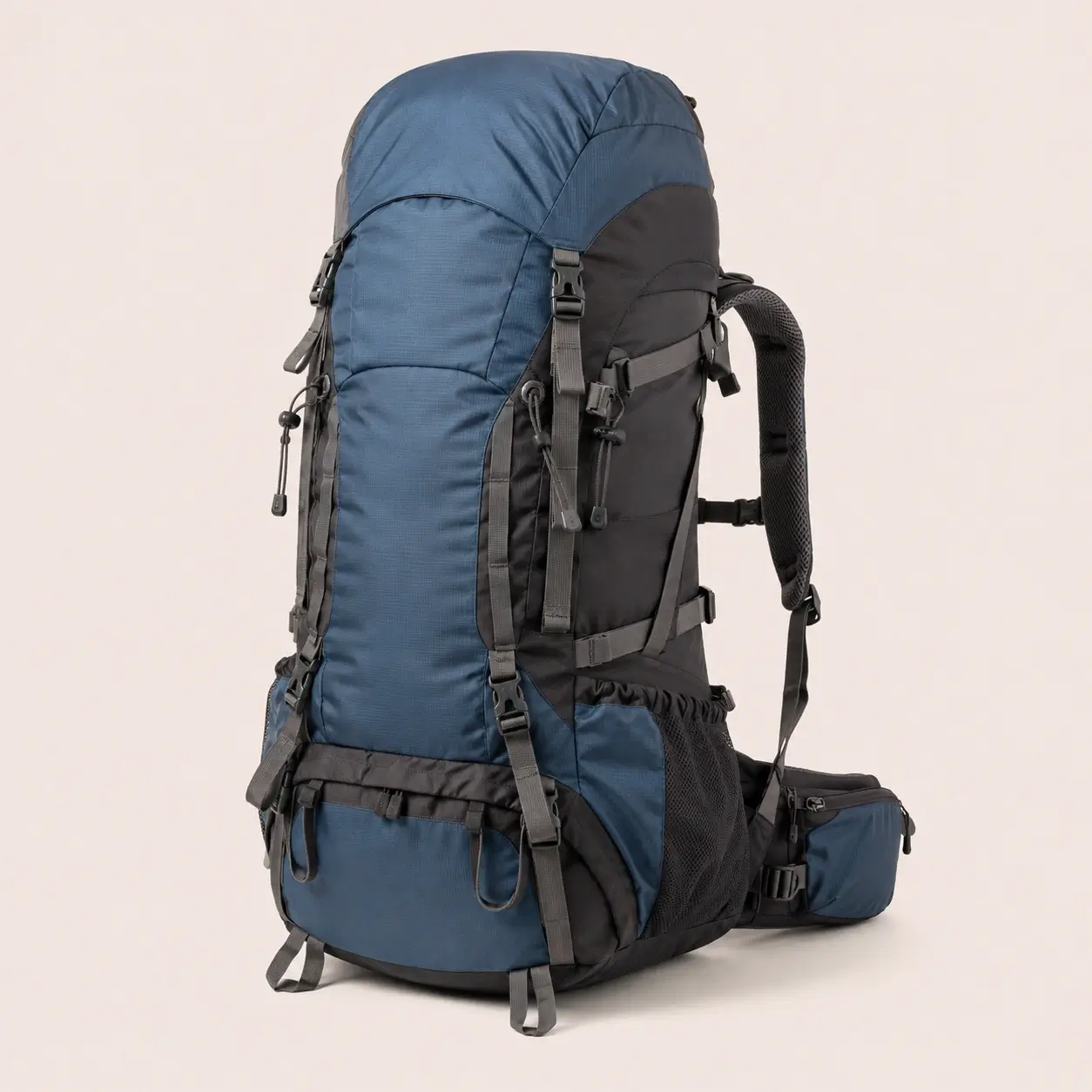
  • 40–50 litre backpack
  • Backpack rain cover
  • Reusable water bottle
  • Energy bars and dry fruits
  • Sunglasses with UV protection
  • SPF 50+ sunscreen
  • Lip balm
  • Personal toiletries
  • Quick-dry towel
  • Headlamp or torch
  • Spare batteries
  • Power bank
  • Valid government-issued ID
  • Waterproof bags for electronics and clothes

Personal Medical Kit

Carry personal prescription medicines and basic medication recommended by your doctor.

Useful personal items may include:

  • ORS sachets
  • Band-aids
  • Antiseptic cream
  • Personal prescription medicines
  • Basic medication for fever, cold, or stomach discomfort
  • Motion sickness medication if required

Inform your trek leader about any relevant medical condition before the journey begins.

Essential Trekking Tips

  • Prepare physically for at least four to six weeks before departure.
  • Carry reliable rain protection because rainfall is common during the flowering season.
  • Maintain a steady walking pace and avoid rushing during the ascent towards Hemkund Sahib.
  • Stay hydrated throughout the trek and eat properly to maintain energy levels.
  • Never pluck flowers inside the national park or leave the designated trail.
  • Keep your backpack light and carry only essential equipment.
  • Follow instructions from your trek leader, particularly when weather conditions change.
  • Respect Hemkund Sahib, local communities, and the protected environment of Valley of Flowers National Park.

The Valley of Flowers Trek also offers easy access to several beautiful Himalayan and spiritual destinations. From Hemkund Sahib and Badrinath to Auli, Joshimath, and Govindghat, these nearby places can add more experiences to your Uttarakhand journey.

Hemkund Sahib

Situated at approximately 4,300 metres, Hemkund Sahib is one of the most important highlights of the journey. The sacred Gurudwara stands beside a glacial lake surrounded by seven mountain peaks, creating a spectacular combination of spirituality and Himalayan scenery.

Badrinath

Badrinath is one of the sacred Char Dham pilgrimage destinations and is dedicated to Lord Vishnu. It can be explored depending on available time, weather, road conditions, and itinerary arrangements.

Auli

Auli is one of Uttarakhand's best-known mountain destinations and is famous for its Himalayan views, meadows, ropeway, and winter skiing. It can be combined with a longer stay around Joshimath.

Joshimath

Joshimath is an important gateway to several destinations in the Garhwal Himalayas. Visitors can explore local temples, markets, mountain viewpoints, and nearby attractions depending on available time.

Govindghat

Located along the Alaknanda River, Govindghat is an important gateway for travelers heading towards the Valley of Flowers and Hemkund Sahib. The journey towards Ghangaria proceeds from this region via Pulna.

Valley of Flowers Trek FAQs

Experience the vibrant alpine meadows, blooming Himalayan flowers, picturesque trails, cascading waterfalls, and stunning mountain views of the Valley of Flowers Trek.

The Valley of Flowers is in Chamoli district, Uttarakhand, within the Valley of Flowers National Park in the Garhwal Himalayas.

The main trekking season is July to September, with mid-July to mid-August generally preferred for seeing the valley in full bloom.

The trek is easy to moderate and suitable for fit beginners. The climb to Hemkund Sahib is the more challenging section due to steep ascent and altitude.

The complete itinerary takes around 6 days and 5 nights, including travel from Rishikesh, trekking, and the return journey.

The total trekking distance is approximately 38–45 km, including the routes around Ghangaria, Valley of Flowers, and Hemkund Sahib.

The journey generally starts from Rishikesh. The actual trekking begins from Pulna, after reaching Govindghat.

Yes. The itinerary includes a Ghangaria to Hemkund Sahib and return trek, reaching an altitude of around 4,300 metres.

Carry waterproof trekking shoes, rainwear, warm layers, quick-dry clothes, a backpack rain cover, sunscreen, sunglasses, personal medicines, and a reusable water bottle.

Yes. Entry into Valley of Flowers National Park requires the applicable entry permit and formalities, which can be managed as part of the trek arrangements.

The Valley of Flowers Trek Cost varies according to the departure date, group size, transportation, accommodation, meals, and services included in the selected package.

Stories From The Trail

Hear from trekkers who have experienced the Himalayan trails with The Mountain Hike.

Trek Gear Rental

Rent Trekking Gear & Equipment

Travel light and rent essential trekking gear for your adventure. Check the available equipment and choose what you need for your trek.

Rucksack available for rent

Rucksack

900
Gloves available for rent

Gloves

250
Cap available for rent

Cap

200
Power Bank available for rent

Power Bank

300
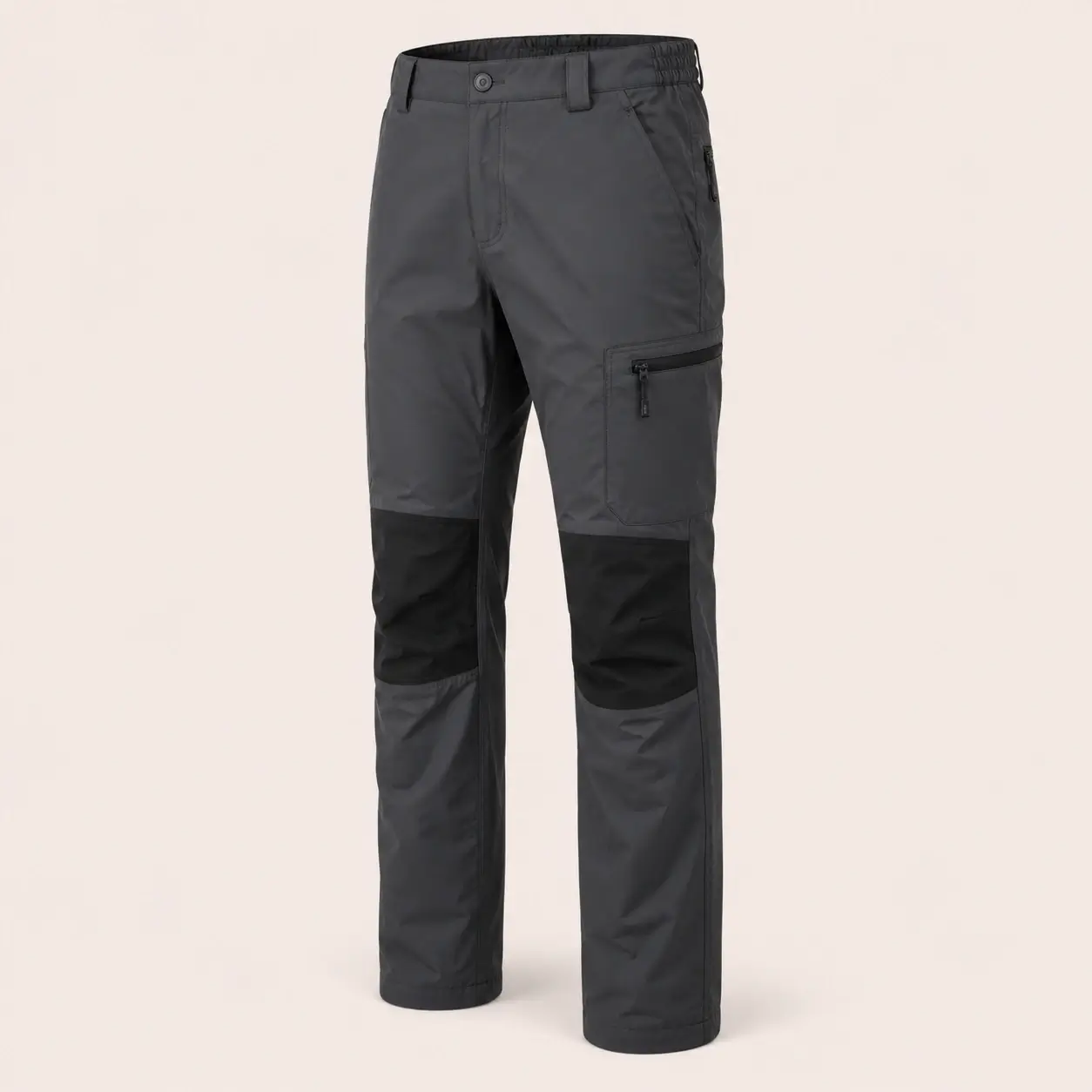
Trekking Pants available for rent

Trekking Pants

800
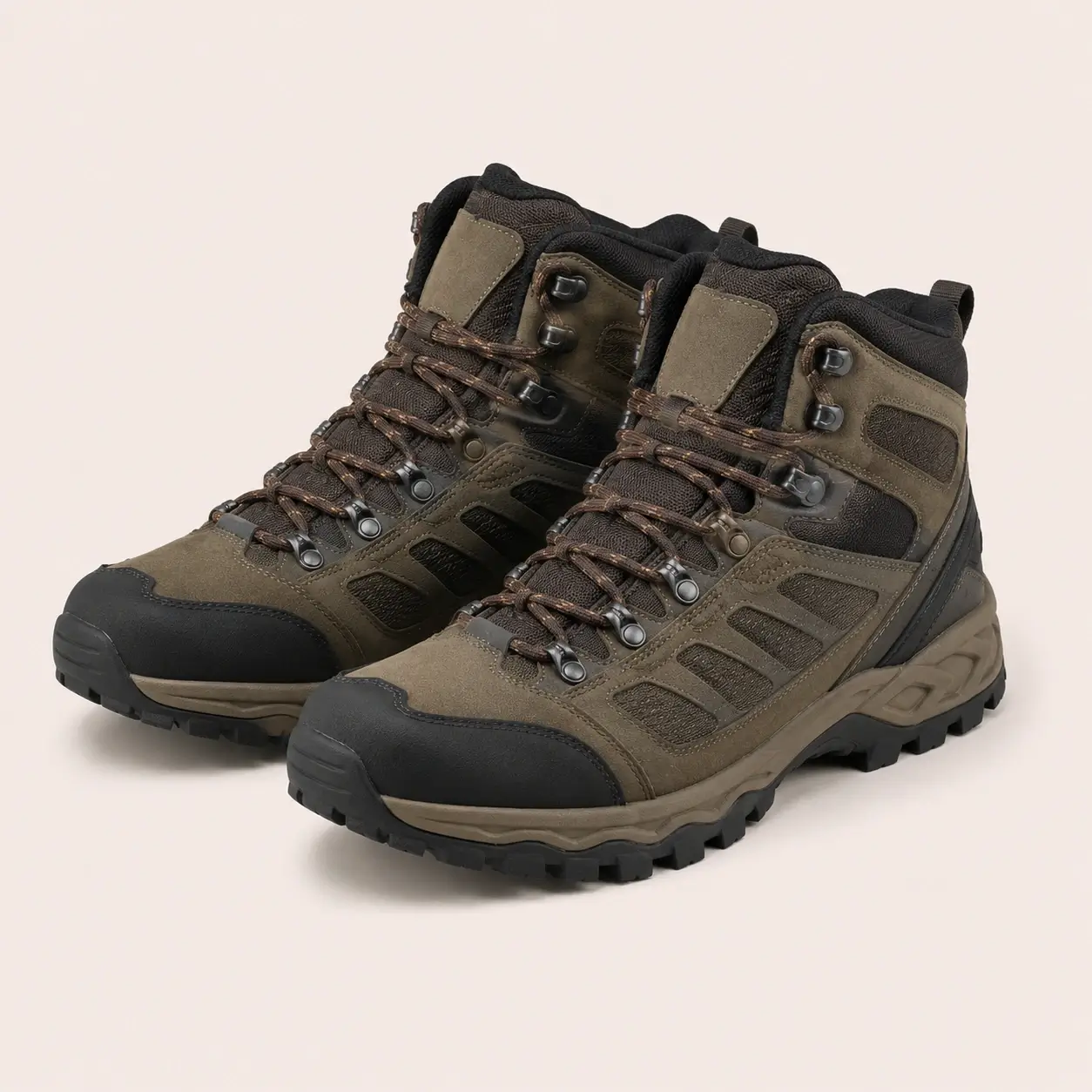
Trekking Shoes available for rent

Trekking Shoes

800
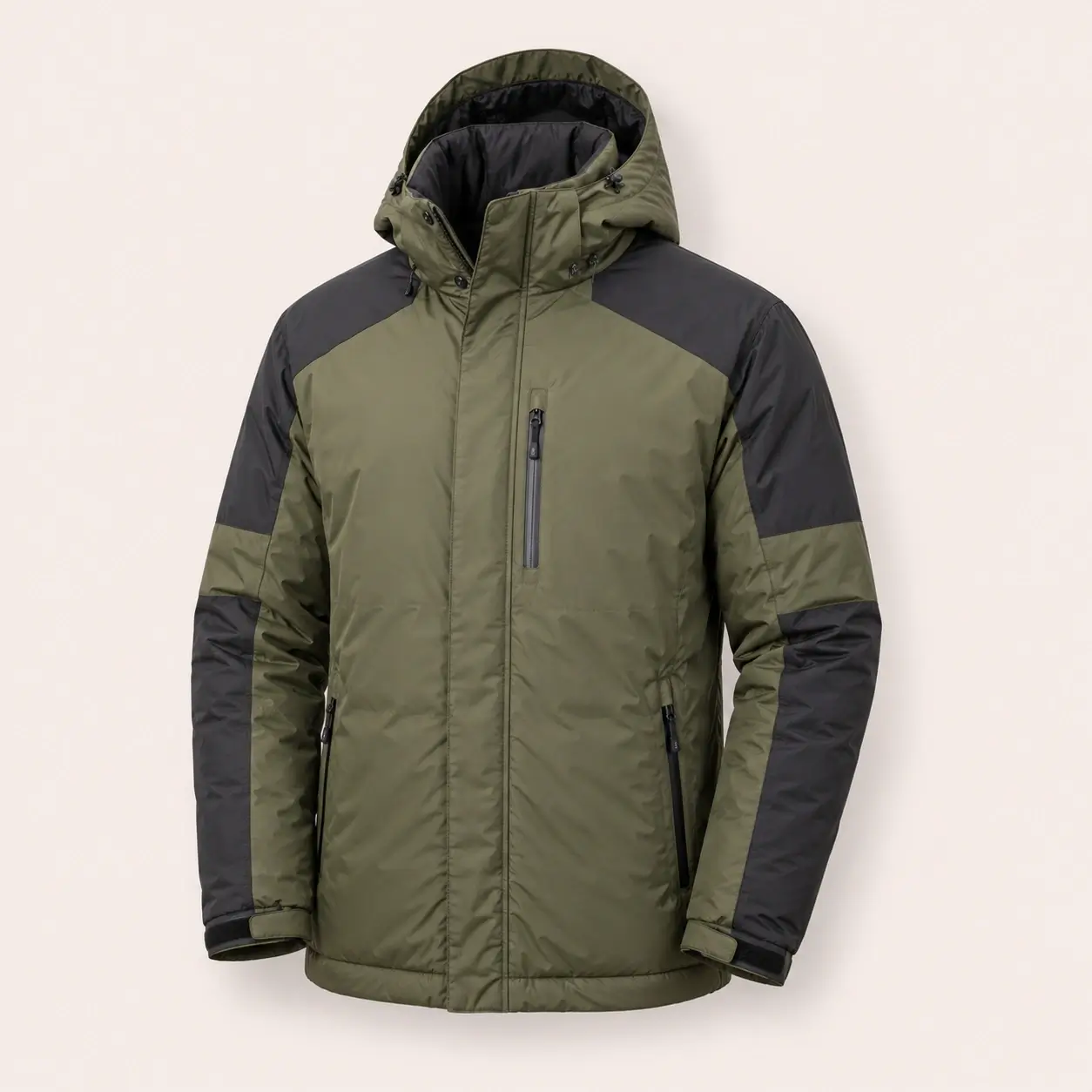
Jackets available for rent

Jackets

1000
Head Lamps available for rent

Head Lamps

250
Lunch Box available for rent

Lunch Box

250
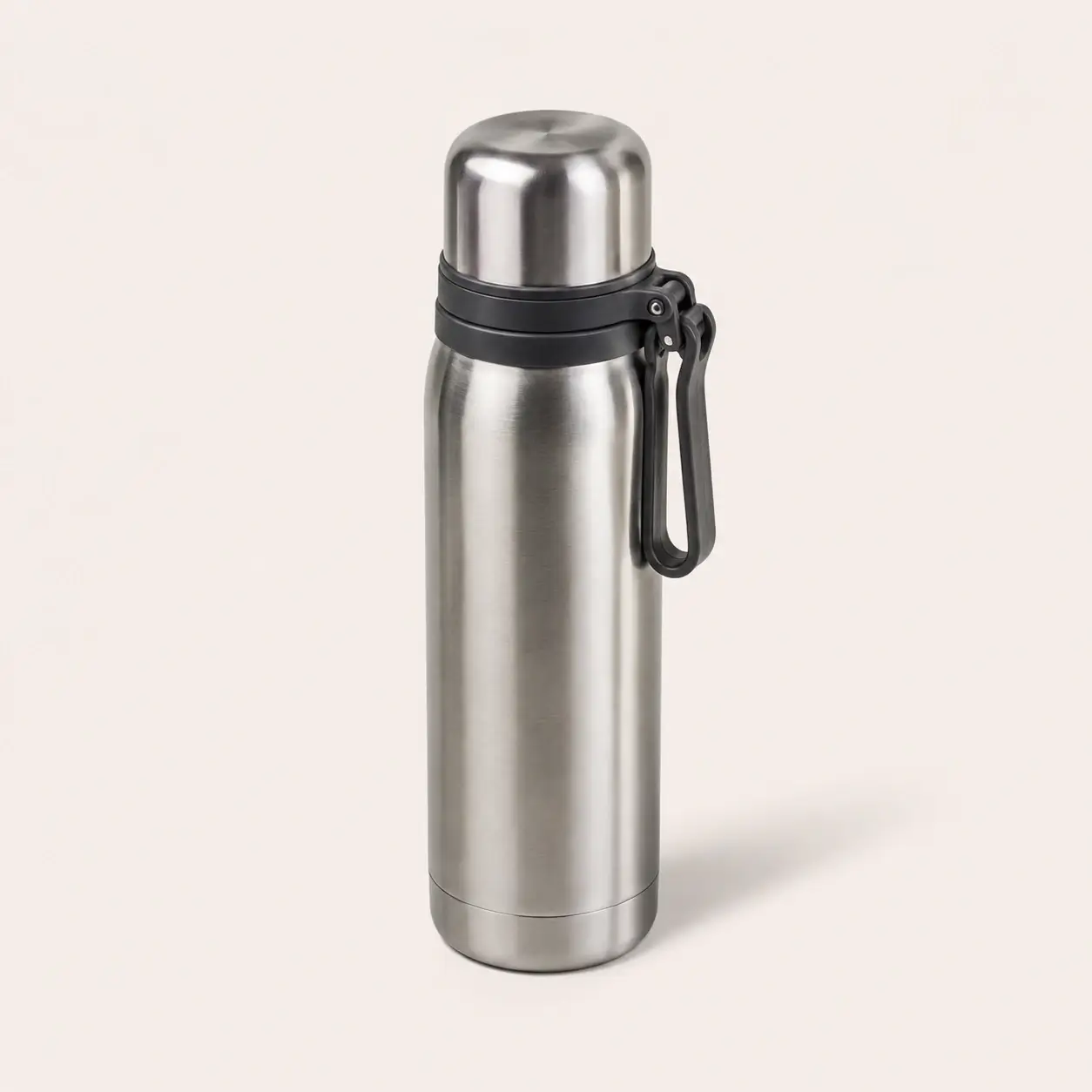
Flasks available for rent

Flasks

300
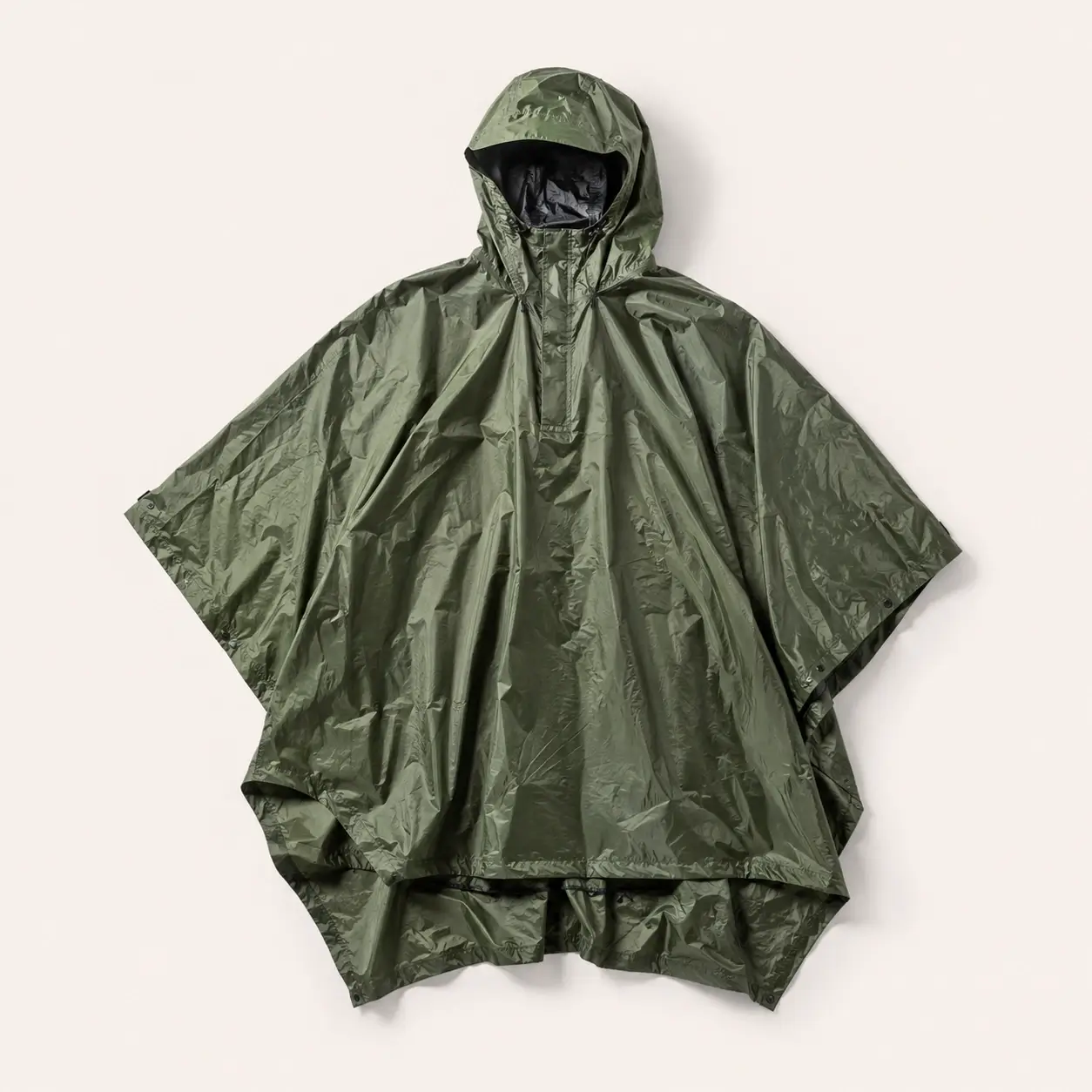
Rain Ponchos available for rent

Rain Ponchos

250
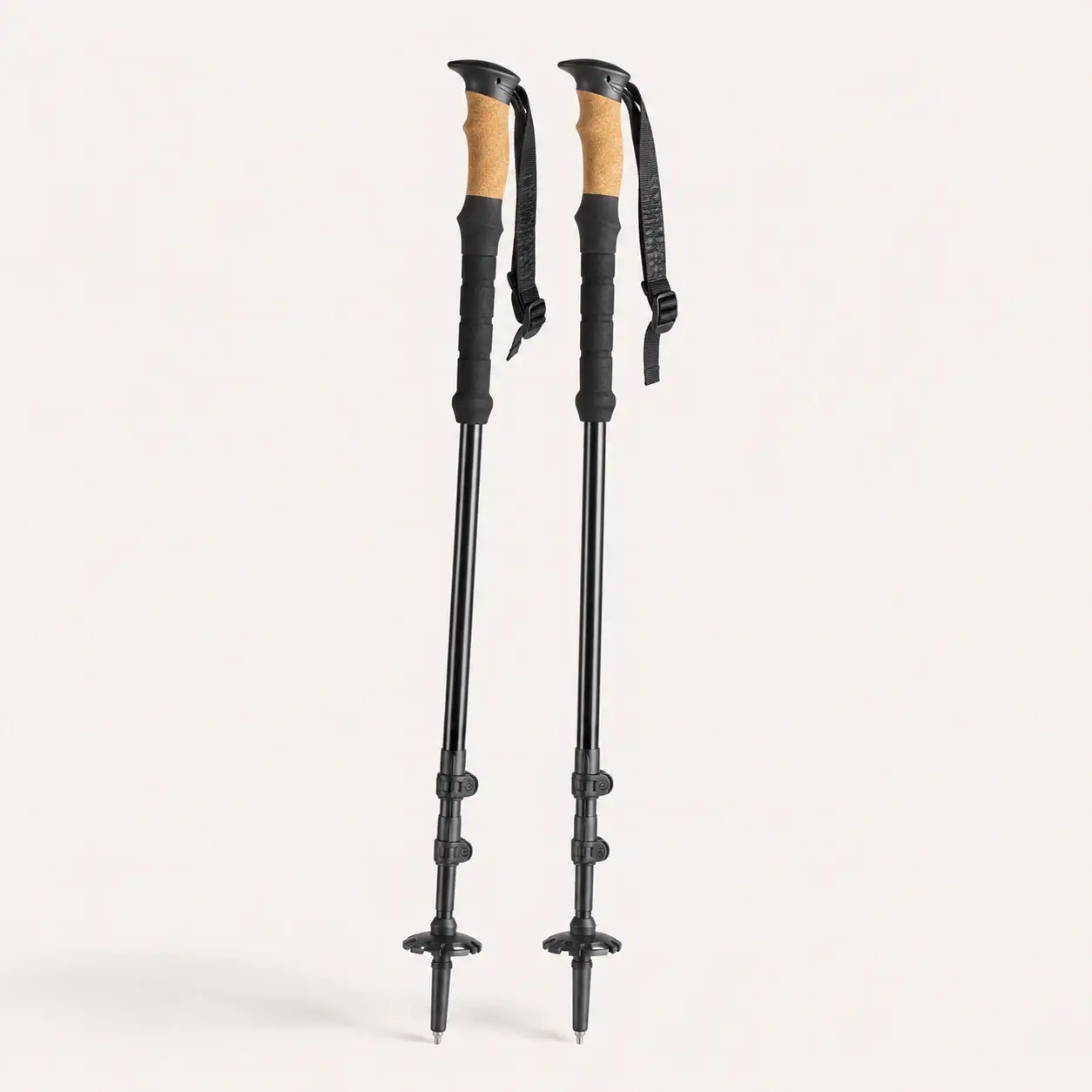
Trekking Poles available for rent

Trekking Poles

250