Call Us WhatsApp
Rudranath Trek

Himalayan Trekking Adventure

Rudranath Trek

The Sacred Shiva Trek of the Himalayas

Chamoli, Uttarakhand
Duration
5 Days
Maximum Altitude
11,811 ft
Trek Distance
40–44 km
Difficulty
Moderate to Difficult
Best Season
May–Jue & Sep–Oct
Starting Point
Rishikesh
Base Camp
Sagar Village
Accommodation
Guesthouses, Homestays & Alpine Camps

Trek Overview

The Rudranath Trek is a remarkable spiritual and adventure journey through the Garhwal Himalayas of Uttarakhand. Leading to the sacred Rudranath Temple, one of the five Panch Kedar shrines dedicated to Lord Shiva, the journey combines devotion, challenging Himalayan trails, alpine meadows, dense forests, and spectacular mountain landscapes.

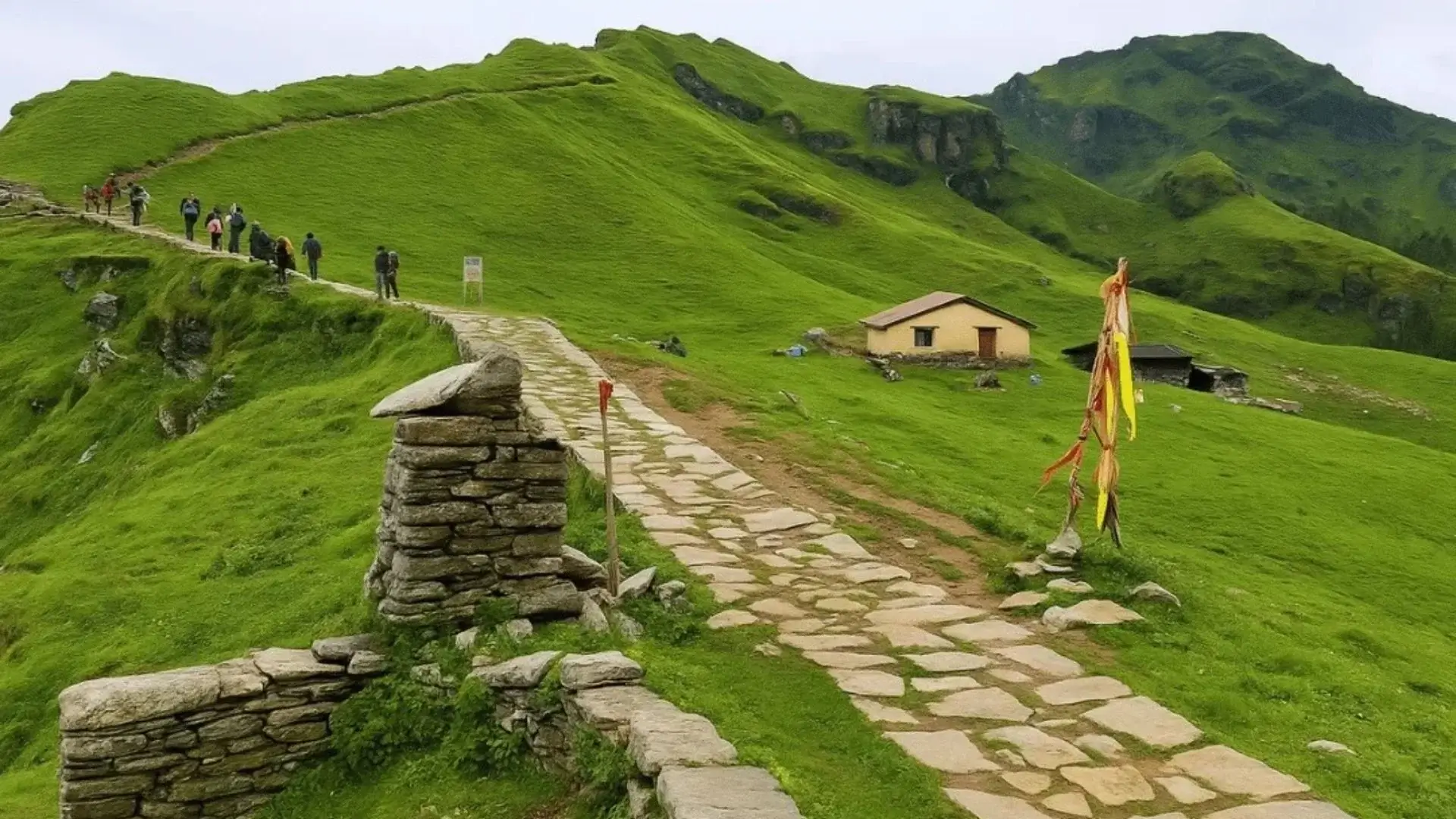
Located in the Chamoli district, Rudranath remains relatively untouched compared with many popular Himalayan destinations. The trail passes through ancient shepherd paths, forests of oak and rhododendron, peaceful mountain villages, and expansive bugyals surrounded by the high peaks of Uttarakhand.

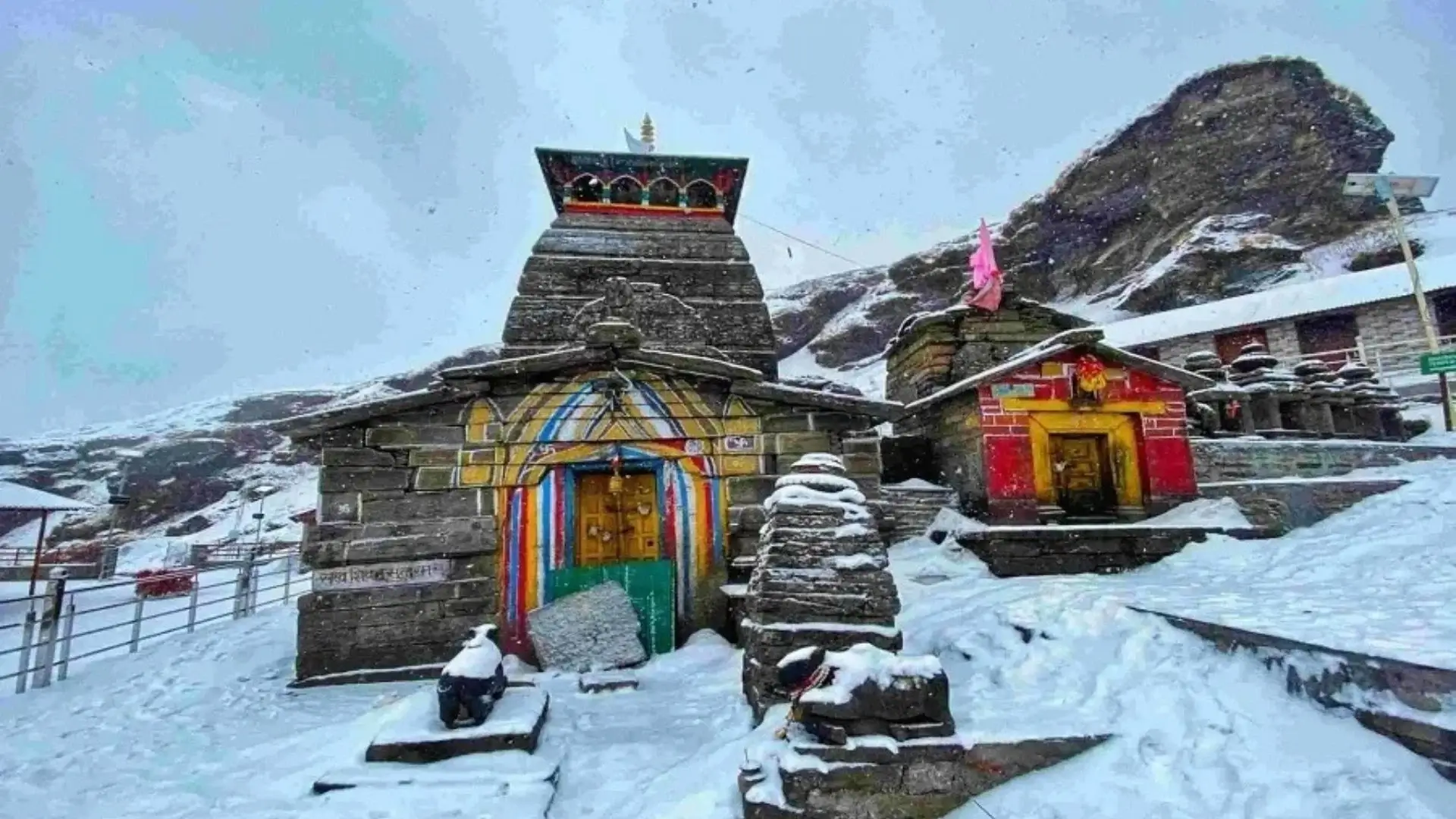
The spiritual highlight of the journey is Rudranath Temple, where Lord Shiva is worshipped in the form of his naturally appearing face, or Mukha. According to Hindu mythology, different parts of Lord Shiva appeared at the five sacred locations collectively known as Panch Kedar, with his face appearing at Rudranath.

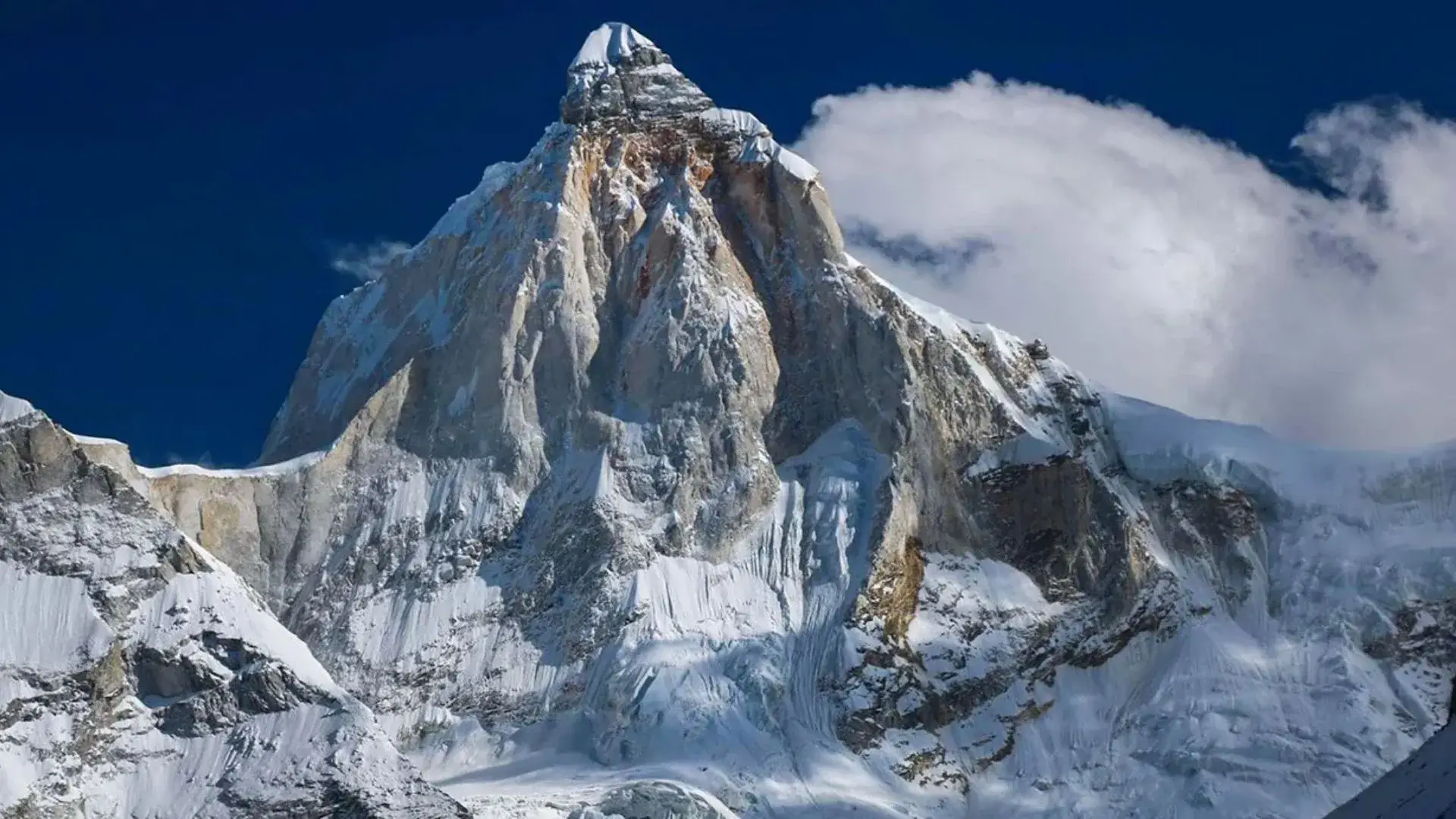
For trekkers, the journey is equally rewarding. Views of Nanda Devi, Trishul, Chaukhamba, Nanda Ghunti, and other Himalayan peaks accompany different sections of the trail. The combination of solitude, spirituality, challenging terrain, and untouched landscapes makes the Rudranath Temple Trek suitable for pilgrims, nature lovers, photographers, and adventure enthusiasts.

Organized by The Mountain Hike, the journey includes experienced trek leaders, local guides, accommodation, camping arrangements, meals, permits, and trekking support for a well-managed Himalayan experience.

Why Choose This Trek?

The Rudranath Trek offers something rare—a journey that combines a physically rewarding Himalayan adventure with deep spiritual significance. Unlike many commercial trekking routes, Rudranath remains relatively peaceful and untouched, allowing trekkers to experience the Garhwal Himalayas away from large crowds. For those interested in exploring the sacred Himalayan pilgrimage routes, it can also be a wonderful addition to a Panch Kedar Yatra, which connects five important temples dedicated to Lord Shiva.

The biggest attraction is the sacred Rudranath Temple, one of the five Panch Kedar shrines dedicated to Lord Shiva. The temple is believed to be the place where the divine face of Lord Shiva appeared. Reaching this ancient shrine after trekking through forests, meadows, and mountain ridges makes the pilgrimage especially meaningful. Travelers planning to explore other Panch Kedar temples can also consider the Madhyamaheshwar Trek and Tungnath Trek for a broader Himalayan spiritual experience.

The landscapes change continuously throughout the journey. Dense forests of oak, maple, pine, and rhododendron gradually open into expansive alpine meadows, while higher sections offer views of Nanda Devi, Trishul, Chaukhamba, Nanda Ghunti, and surrounding Himalayan peaks.

Lyuti Bugyal is another major highlight. Its open grasslands, wildflowers during the warmer months, surrounding mountain scenery, and peaceful camping environment provide an authentic Himalayan experience. Trekkers who enjoy exploring high-altitude meadows can also discover other scenic destinations such as the Ali Bedni Bugyal Trek, known for its wide-open alpine landscapes and spectacular Himalayan views.

The trail also follows traditional shepherd routes that have been used by local communities for generations. Walking through these old mountain paths provides an opportunity to experience the natural beauty as well as the cultural heritage of the Garhwal region.

For travelers looking beyond conventional tourist destinations, Rudranath provides an excellent combination of spirituality, trekking, photography, nature, and solitude. Its peaceful trails and dramatic mountain landscapes make it a memorable choice for anyone looking to experience the quieter side of Uttarakhand trekking.

Everything You Need To Know

Day 1

Rishikesh → Sagar Village

Scenic drive via Devprayag, Rudraprayag & Gopeshwar to the trek’s base village.

Day 2

Sagar Village → Lyuti Bugyal

Trek through dense oak & rhododendron forests and old shepherd trails to the alpine meadows.

Day 3

Lyuti Bugyal → Rudranath Temple → Lyuti Bugyal

Trek across alpine meadows and mountain ridges to Rudranath Temple, then return to Lyuti Bugyal.

Day 4

Lyuti Bugyal → Sagar Village

Descend through peaceful bugyals and forest trails back to Sagar Village.

Day 5

Sagar Village → Rishikesh

Return drive via Gopeshwar, Rudraprayag & Devprayag to Rishikesh.

Rishikesh to Sagar Village

220 km 8–9 hrs Guesthouse/Homestay at Sagar Village

Your journey from Rishikesh to Rudranath begins with a scenic mountain drive towards Sagar Village, the base village for the trek.

The road passes through Devprayag, Rudraprayag, and Gopeshwar, offering beautiful views of river confluences, mountain valleys, terraced fields, forests, and traditional Garhwali settlements.

At Devprayag, the Bhagirathi and Alaknanda rivers meet to form the Ganga, while Rudraprayag is known for the confluence of the Alaknanda and Mandakini rivers.

As the journey continues deeper into the Garhwal Himalayas, the surroundings gradually become quieter and more mountainous.

Upon reaching Sagar Village in the evening, check into your guesthouse or homestay. Enjoy dinner and rest before beginning the trekking portion of the journey the following morning.


Sagar Village to Lyuti Bugyal

10–12 km 6–7 hrs Campsite at Lyuti Bugyal

After an early breakfast, begin the Sagar to Rudranath Trek route with the first major trekking section from Sagar Village towards Lyuti Bugyal.

The trail gradually ascends through forests of oak and rhododendron, following old shepherd paths and peaceful mountain terrain.

As you gain altitude, the landscape begins to open and views of surrounding valleys and distant Himalayan peaks become increasingly impressive. The fresh mountain air, quiet forests, and natural surroundings make this section particularly enjoyable.

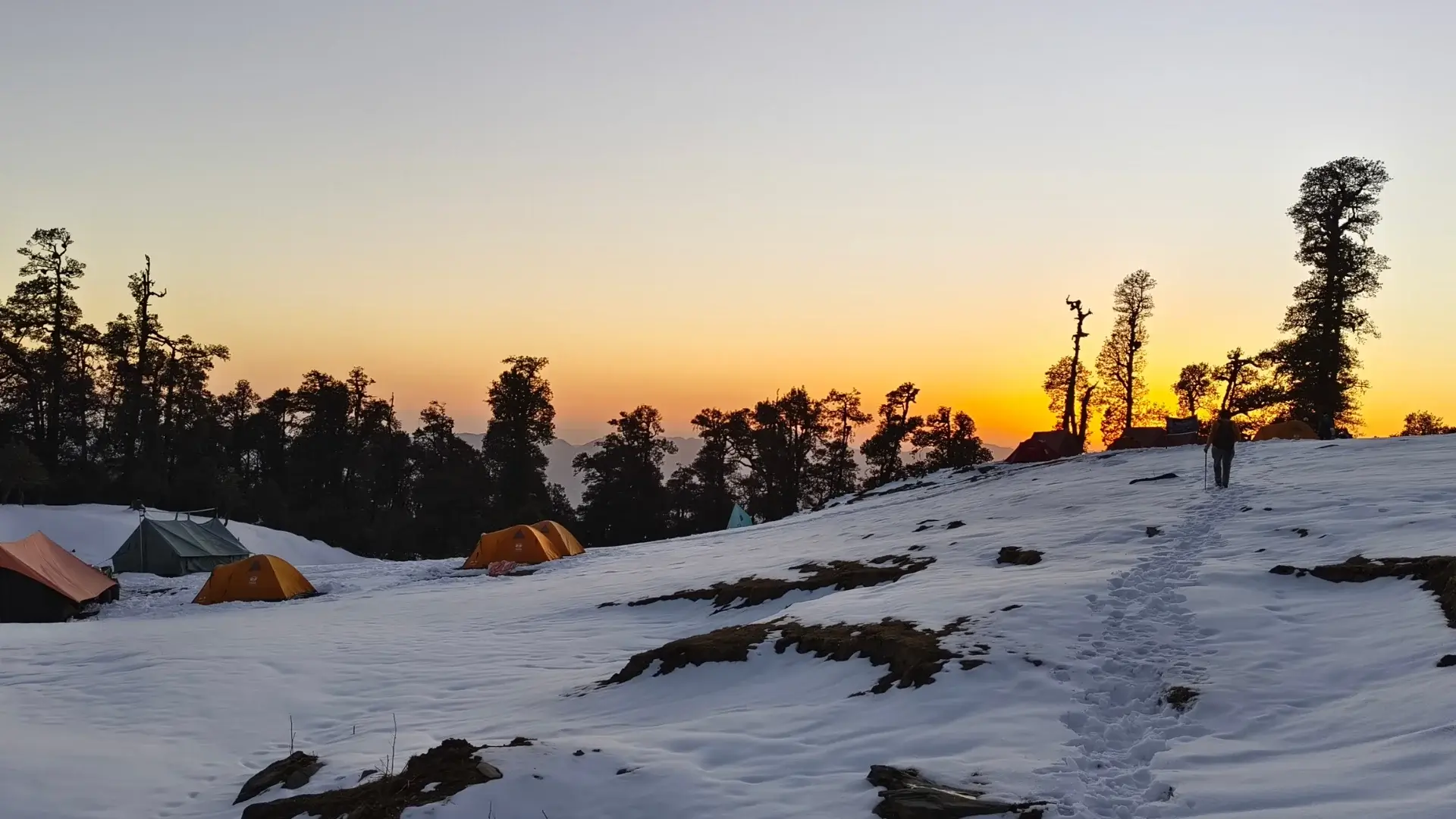
By evening, reach the expansive meadows of Lyuti Bugyal. Surrounded by pristine mountain landscapes, the campsite provides a peaceful setting to relax after the day's walk.

Enjoy a freshly prepared dinner followed by an overnight stay in tents.


Lyuti Bugyal to Rudranath Temple & Back to Lyuti Bugyal

10 km 5–6 hrs Campsite at Lyuti Bugyal

Wake up early and enjoy the Himalayan morning before beginning the most spiritually significant section of the journey.

The trail towards Rudranath Temple passes through alpine meadows, mountain ridges, and changing high-altitude terrain. As you progress, panoramic Himalayan views unfold across the surrounding landscape.

Upon reaching Rudranath Temple, take time to experience the peaceful atmosphere of one of the most sacred Panch Kedar shrines. Lord Shiva is worshipped here in the form of his naturally appearing face, giving the temple a unique place in Hindu mythology.

Spend some time exploring the temple surroundings, seeking blessings, enjoying the mountain scenery, and capturing photographs before beginning the return journey.

Reach Lyuti Bugyal by evening, enjoy a warm meal, and spend another night at the campsite.


Lyuti Bugyal to Sagar Village

10–12 km 5–6 hrs Guesthouse/Homestay at Sagar Village

After breakfast, begin the descent towards Sagar Village.

Walking back through the bugyals and forests provides a different perspective of the landscapes experienced during the ascent. The descending trail offers opportunities for photography, birdwatching, and enjoying the peaceful Himalayan environment.

Continue steadily through the forested sections until you reach Sagar Village.

Check into your guesthouse or homestay and enjoy a comfortable evening after completing the main trekking portion of the journey.


Sagar Village to Rishikesh

220 km 8–9 hrs Rishikesh

After breakfast, begin your return drive towards Rishikesh.

The journey once again passes through Gopeshwar, Rudraprayag, and Devprayag, offering final views of Himalayan valleys, flowing rivers, mountain settlements, and sacred confluences.

By evening, arrive in Rishikesh with memories of Rudranath Temple, alpine meadows, forest trails, mountain landscapes, and the spiritual atmosphere of the Garhwal Himalayas.

Rudranath trekking is known for its changing Himalayan landscapes. The journey moves from mountain villages and dense forests to ancient shepherd paths, open bugyals, rocky ridges, and the sacred surroundings of Rudranath Temple.

A Scenic Drive Through the Garhwal Himalayas

The adventure begins with the drive from Rishikesh towards Sagar Village.

Passing through Devprayag, Rudraprayag, and Gopeshwar, the journey offers views of sacred river confluences, forested mountains, terraced farms, traditional villages, and deep Himalayan valleys.

The road journey gradually introduces travelers to the remote landscapes that define this part of Uttarakhand.

Trek Through Dense Forests

The trail from Sagar Village passes through forests dominated by oak, rhododendron, maple, and pine.

During spring and early summer, blooming rhododendrons add shades of red and pink to the landscape. Birdsong, fresh mountain air, and natural shade make these forest sections especially refreshing.

Walking Along Ancient Shepherd Trails

One of the distinctive features of the journey is the network of traditional shepherd trails used by local communities for generations.

Walking these paths offers a glimpse into the cultural relationship between Himalayan communities and their surrounding mountain environment.

The Beauty of Lyuti Bugyal

After ascending through the forests, the landscape opens into the alpine meadows of Lyuti Bugyal.

These grasslands are surrounded by rolling mountain terrain and distant Himalayan peaks. During summer, wildflowers add color to the meadows, while clear nights provide excellent conditions for stargazing.

Camping here is one of the most memorable parts of the journey.

Panoramic Himalayan Views

As the route gains elevation, trekkers can enjoy views of some of Uttarakhand’s prominent Himalayan mountains.

Nanda Devi, Trishul, Chaukhamba, Nanda Ghunti, and several surrounding snow-covered peaks can be visible from different sections when weather conditions are clear.

Each ridge and open meadow provides a different perspective of the Garhwal Himalayas.

The Divine Rudranath Temple

The spiritual highlight of the trek to Rudranath is reaching the ancient Rudranath Temple.

Unlike the other Panch Kedar shrines, Rudranath is associated with the naturally appearing face, or Mukha, of Lord Shiva. The stone temple is surrounded by rugged mountain terrain and peaceful meadows, creating an atmosphere of devotion and serenity.

The journey to the temple makes the experience particularly meaningful because visitors reach the shrine only after walking through remote Himalayan landscapes.

Peace, Solitude & Untouched Nature

Rudranath remains relatively less commercialized than many popular Himalayan trekking destinations.

Quiet trails, forests, meadows, and limited crowds provide an opportunity to disconnect from busy city life and experience the peaceful side of the Himalayas.


Proper preparation is important for completing the journey safely and comfortably.

Choose your trekking dates during May–June or September–October when regular trekking conditions are generally more suitable.

Because Rudranath attracts both trekkers and pilgrims during the open season, advance planning can help with accommodation, transportation, permits, and trekking arrangements.

Participants should also carry valid government-issued identification for registrations, accommodation check-ins, and permit formalities.

Physical preparation should begin several weeks before departure, especially because the journey involves long walking hours and continuous ascents.

Visitors should respect local customs and maintain appropriate behavior around Rudranath Temple and other religious sites.

Choosing a reliable trekking organization can make a significant difference when undertaking a remote Himalayan journey. At The Mountain Hike, our focus is on providing a professionally managed experience that balances adventure, safety, comfort, and the spiritual character of Rudranath.

Our experienced trek leaders and knowledgeable local guides understand the mountain terrain, weather conditions, local culture, and trekking routes. Their guidance helps participants navigate the journey more confidently while learning about the landscapes and traditions of the Garhwal Himalayas.

Safety remains an important part of our trek management. Carefully planned itineraries, basic first-aid support, weather awareness, experienced staff, and appropriate trekking procedures help us manage the journey responsibly.

Accommodation arrangements include local guesthouses, homestays, and alpine camps depending on the itinerary. Fresh vegetarian meals are provided during trekking days to help participants maintain their energy throughout the journey.

Major logistics including transportation, accommodation, camping arrangements, applicable permits, meals, and trek coordination are handled in advance so participants can focus on experiencing the mountains rather than managing operational details.

The Mountain Hike also promotes responsible trekking by encouraging smaller environmental footprints, respectful interaction with local communities, responsible waste management, and care for the fragile Himalayan ecosystem.

The Rudranath Trek package includes transport, accommodation, vegetarian meals, experienced trek leaders, local guides, support staff, camping equipment, permits, and first-aid support. Personal expenses, trekking gear, medical costs, rescue, and weather-related additional expenses are excluded.

Inclusions

  • Transportation from Rishikesh to the trekking starting point and return as per the itinerary.
  • Accommodation in guesthouses, homestays, and alpine camps on a sharing basis.
  • Vegetarian meals including breakfast, lunch, evening snacks, and dinner as specified.
  • Experienced trek leaders and local guides.
  • Trek support staff.
  • Camping tents, sleeping bags, and sleeping mats.
  • Forest permits, camping permissions, and applicable entry fees.
  • Basic first-aid support and medical kit.
  • Trek coordination and safety management.
  • Bonfire or group activities at selected campsites where permitted and subject to weather conditions.

Exclusions

  • Lunch during the road journey on Day 1 and Day 5.
  • Personal snacks and beverages.
  • Bottled water and personal refreshments.
  • Laundry, phone, or internet expenses.
  • Personal shopping and tips.
  • Rental charges for personal trekking equipment.
  • Trekking shoes, jackets, gloves, backpacks, and other personal gear.
  • Expenses caused by roadblocks, landslides, snowfall, weather disruptions, strikes, or transportation delays.
  • Medical expenses.
  • Rescue or emergency evacuation costs.
  • Additional accommodation or transportation resulting from illness, injury, weather, or personal reasons.

The trek is classified as Moderate to Difficult and requires good physical fitness.

The journey covers approximately 40–44 km and includes long uphill sections, rocky trails, forest paths, alpine meadows, uneven terrain, and continuous elevation changes. Some trekking days can involve several hours of walking.

Technical mountaineering or climbing skills are not required, but stamina and endurance are important.

The journey can be suitable for experienced trekkers as well as physically fit beginners who prepare properly before departure.

A recommended fitness routine should begin approximately four to six weeks before the trek and can include:

  • Brisk walking or jogging for 5–6 km
  • Stair climbing
  • Cycling
  • Squats and lunges
  • Core strengthening exercises
  • Stretching and flexibility training
  • Walking with a light backpack

Building stamina beforehand can make long trekking days considerably more comfortable.

Choosing the right season is essential because weather and trail conditions can significantly affect the journey.

May to June

Summer

May and June mark an excellent trekking period after winter snow begins to melt. Daytime weather is generally more comfortable for walking, while mornings and evenings remain cool. Forests become green, rhododendrons bloom, and alpine meadows begin to come alive. The temple is also accessible during this period, attracting pilgrims as well as trekkers.

July to August

Monsoon

The monsoon transforms the forests into lush green landscapes, but trekking is generally not recommended during this period. Heavy rainfall can make mountain trails slippery and increase the possibility of landslides, roadblocks, and travel disruptions. Cloud cover can also reduce Himalayan visibility.

September to October

Monsoon

September and October are among the best months for the journey. After the monsoon, the forests appear fresh, the bugyals remain green, and clearer skies can provide excellent Himalayan visibility. Pleasant temperatures and relatively stable conditions make this period particularly attractive to trekkers, pilgrims, photographers, and nature lovers.

November to April

Winter

Heavy snowfall can make the Rudranath region inaccessible during winter. The temple remains closed, temperatures can fall significantly below freezing, and regular trekking becomes difficult. For most pilgrims and recreational trekkers, winter is therefore not considered a suitable period for this journey.

Packing appropriately helps make the journey safer and more comfortable.

Clothing

  • Moisture-wicking T-shirts
  • Full-sleeve trekking shirts
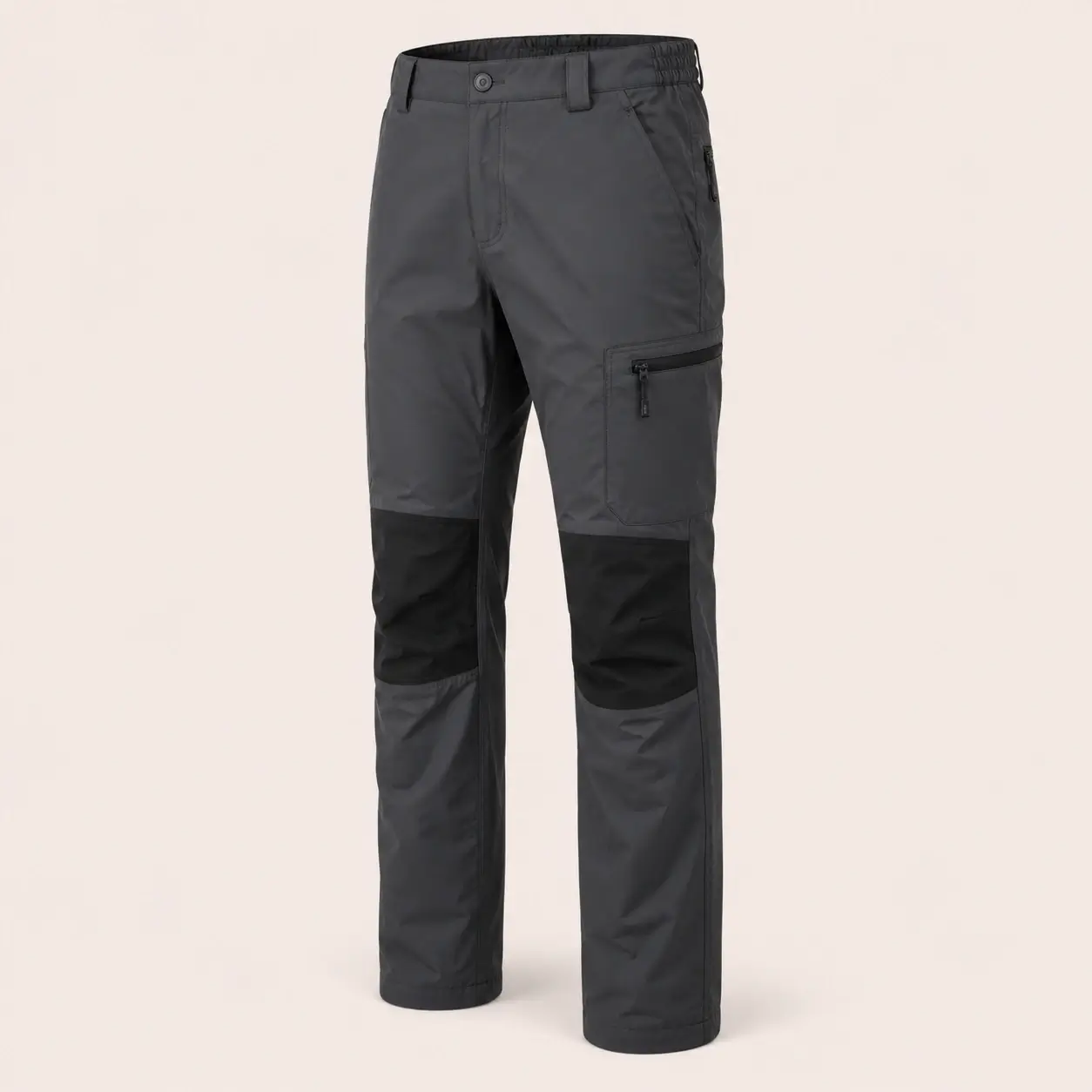
  • Trekking pants
  • Thermal innerwear during colder periods
  • Fleece jacket
  • Down or padded jacket
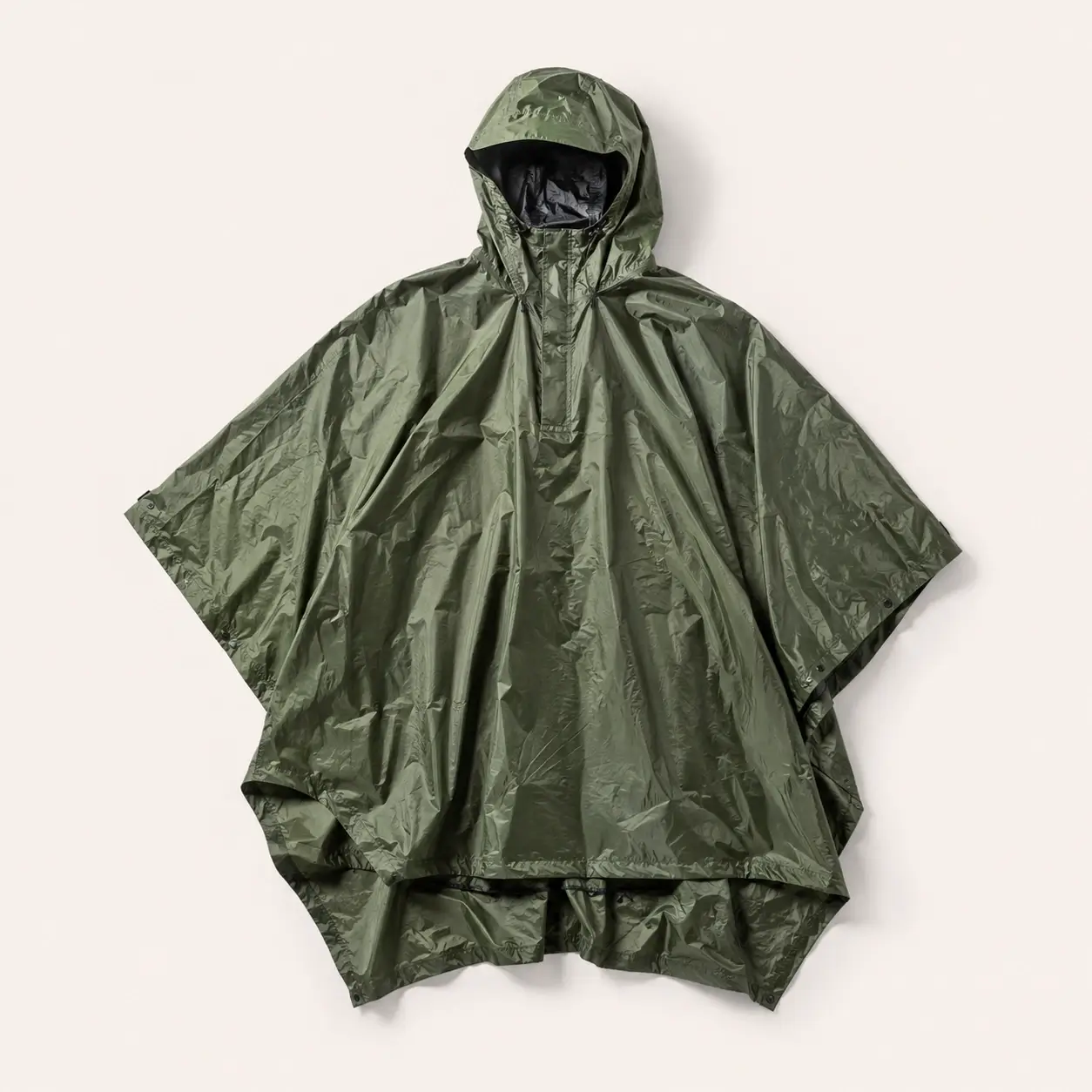
  • Waterproof jacket or poncho
  • Woollen cap
  • Sun cap
  • Woollen gloves
  • Multiple pairs of trekking socks

Layering is recommended because temperatures can change significantly throughout the day.

Footwear

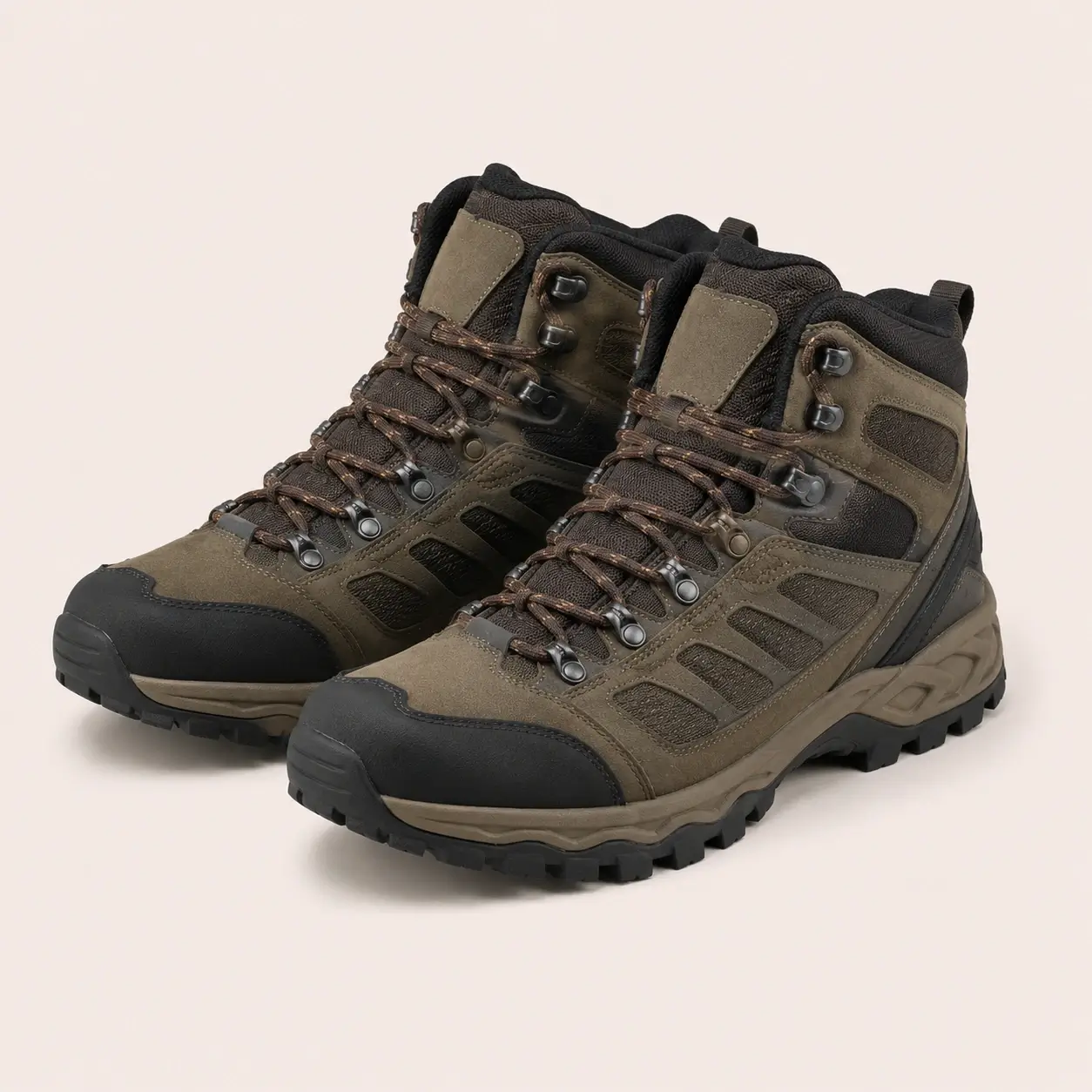
Carry waterproof trekking shoes with excellent grip and ankle support.

Shoes should be properly broken in before the trek to reduce the chances of blisters.

Comfortable slippers or sandals can be carried for campsite use.

Backpack Essentials

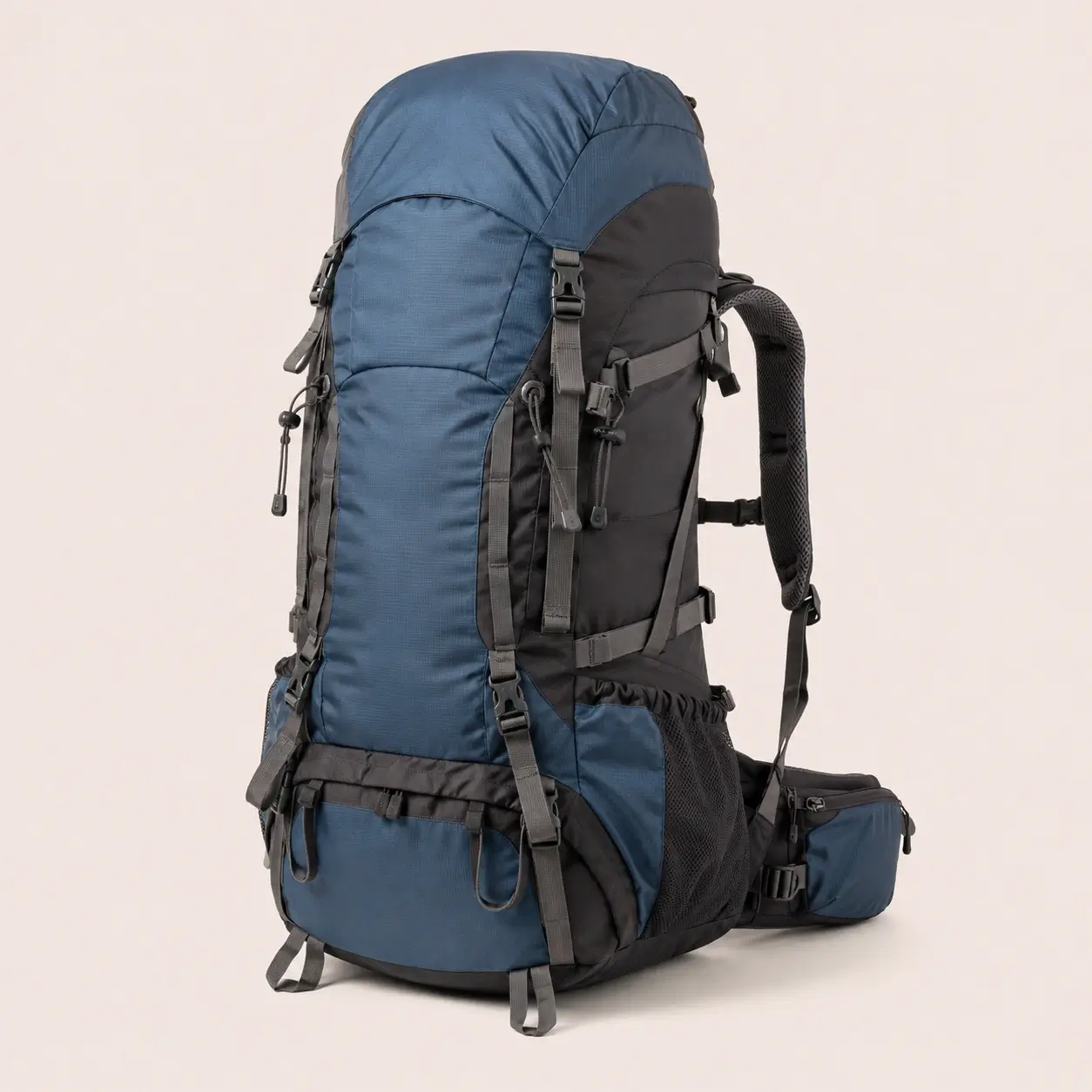
  • 40–50 litre trekking backpack
  • Backpack rain cover
  • Reusable water bottle or hydration bladder
  • Energy bars and dry fruits
  • UV-protection sunglasses
  • SPF 50+ sunscreen
  • Lip balm
  • Personal toiletries
  • Wet wipes and tissues
  • Headlamp or torch
  • Spare batteries
  • Mobile charger
  • Power bank
  • Camera, if required
  • Government-issued identity proof

Personal Medical Kit

Carry your regular prescription medicines along with basic personal medication recommended by your doctor.

Useful items can include:

  • ORS sachets
  • Band-aids
  • Antiseptic cream
  • Personal prescription medicines
  • Basic medicines for fever, cold, or stomach discomfort
  • Motion sickness medication if required

Inform your trek leader about any relevant medical condition before beginning the journey.

The Rudranath Trek also offers an opportunity to explore several beautiful places in Uttarakhand. After the trek, you can visit Gopeshwar, known for its ancient temples, or Sagar Village, a peaceful Himalayan settlement and a common access point for the trek. Anasuya Devi Temple and Mandakini Valley are also worth exploring for their spiritual significance and scenic mountain landscapes. These nearby places add cultural, natural, and spiritual experiences to your Himalayan journey with The Mountain Hike.

Gopeshwar

Gopeshwar is a Himalayan town known for the ancient Gopinath Temple dedicated to Lord Shiva. It is located along the route towards the trekking region and serves as an important destination for pilgrims traveling through Chamoli.

Tungnath Temple

Tungnath is another important shrine in the Panch Kedar circuit and is known as one of the highest Shiva temples in the world. The temple can be explored as a separate journey for travelers planning to visit multiple Panch Kedar shrines.

Chandrashila

Located above Tungnath, Chandrashila is known for panoramic Himalayan views that include peaks such as Nanda Devi, Trishul, Chaukhamba, Kedarnath, and Bandarpoonch.

Deoria Tal

Deoria Tal is a high-altitude lake surrounded by forests and known for views and reflections of the Chaukhamba massif. It is popular for nature walks, photography, birdwatching, and peaceful mountain scenery.

Kalpeshwar Temple

Kalpeshwar is another sacred Panch Kedar shrine where Lord Shiva is worshipped in the form associated with his matted hair, or Jata. Unlike several other Panch Kedar temples, Kalpeshwar remains accessible throughout the year.

Urgam Valley

Urgam Valley is known for peaceful villages, terraced farms, orchards, and Himalayan scenery. The valley offers visitors an opportunity to experience the rural landscapes and traditional lifestyle of Uttarakhand.

Atri Muni Ashram

Atri Muni Ashram is an ancient spiritual site associated with Sage Atri and Goddess Anusuya. Surrounded by forests and mountain streams, the area is known for its peaceful atmosphere.

Anusuya Devi Temple

Dedicated to Goddess Anusuya, the temple is an important pilgrimage destination in Chamoli district. Its forested surroundings and mythological significance make it another spiritual attraction near the region.

Rudranath Trek FAQs

A complete guide to help you plan your Rudranath Trek with confidence.

The trek is located in the Chamoli district of Uttarakhand in the Garhwal Himalayas. The trekking route in this itinerary begins from Sagar Village.

The journey is classified as Moderate to Difficult because of its long walking distances, ascents, uneven terrain, and multiple trekking days.

May to June and September to October are the recommended trekking periods.

The standard itinerary is 5 days, including travel from Rishikesh and the trekking days.

The total trekking distance is approximately 40–44 km, depending on the route and local trail conditions.

Physically fit beginners with proper preparation can attempt the journey under experienced guidance. However, because the route is Moderate to Difficult, good stamina is important.

Rudranath is one of the five sacred Panch Kedar temples and is associated with the naturally appearing face, or Mukha, of Lord Shiva.

The maximum altitude mentioned for the journey is approximately 11,811 ft.

The organized journey begins from Rishikesh, while Sagar Village serves as the trekking base.

Carry good trekking shoes, layered warm clothing, rain protection, a reusable water bottle, sunscreen, sunglasses, personal medicines, a headlamp, toiletries, and other essential trekking equipment.

Yes. Accommodation and vegetarian meals are provided according to the itinerary and package inclusions.

No. Connectivity is available in some lower regions but becomes limited or unavailable near remote sections and Rudranath Temple.

Yes. Applicable permits and permissions required for the trek are arranged by The Mountain Hike when included in the package.

Begin preparing approximately four to six weeks before departure with brisk walking, jogging, stair climbing, cycling, leg strengthening, core exercises, and regular endurance training.

Yes. Rudranath is one of the five sacred Panch Kedar temples dedicated to Lord Shiva.

The regular pilgrimage and trekking route is generally not suitable during winter because heavy snowfall can make the region inaccessible and the temple remains closed.

The Mountain Hike provides trek leaders, local guides, accommodation, camping arrangements, meals, permits, transportation, and trekking support to help make the journey organized and comfortable.

Stories From The Trail

Hear from trekkers who have experienced the Himalayan trails with The Mountain Hike.

Trek Gear Rental

Rent Trekking Gear & Equipment

Travel light and rent essential trekking gear for your adventure. Check the available equipment and choose what you need for your trek.

Rucksack available for rent

Rucksack

900
Gloves available for rent

Gloves

250
Cap available for rent

Cap

200
Power Bank available for rent

Power Bank

300
Trekking Pants available for rent

Trekking Pants

800
Trekking Shoes available for rent

Trekking Shoes

800
Jackets available for rent

Jackets

1000
Head Lamps available for rent

Head Lamps

250
Lunch Box available for rent

Lunch Box

250
Flasks available for rent

Flasks

300
Rain Ponchos available for rent

Rain Ponchos

250
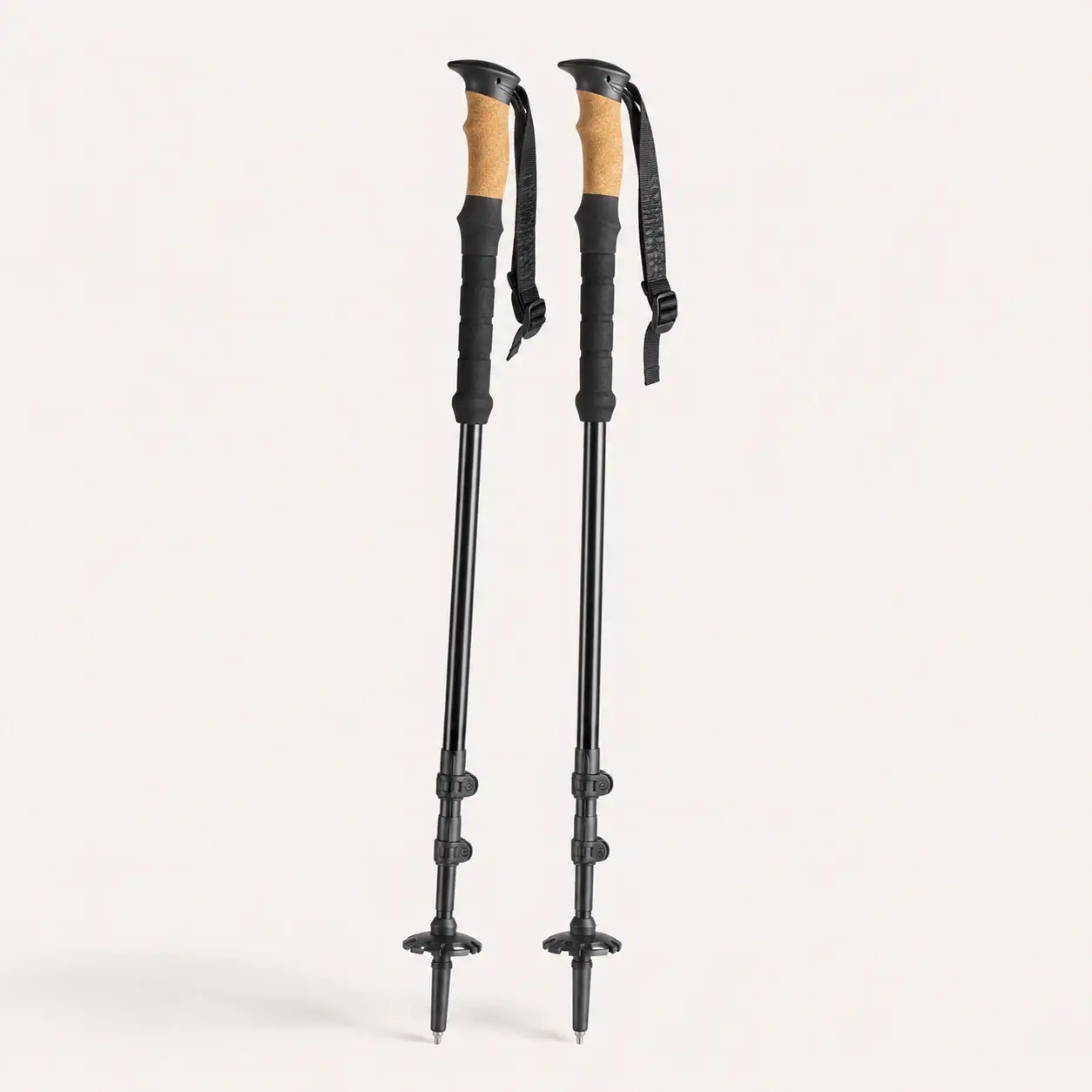
Trekking Poles available for rent

Trekking Poles

250