Call Us WhatsApp
Nag Tibba Trek

Himalayan Trekking Adventure

Nag Tibba Trek

The Serene Summit of the Lesser Himalayas

Pantwari, Uttarakhand
Duration
2 Days / 1 Night
Maximum Altitude
9,915 ft (3,022 m)
Trek Distance
14–15 km
Difficulty
Easy to Moderate
Best Season
October–June
Starting Point
Dehradun
Base Camp
Pantwari Village
Accommodation
Guesthouses & Camps

Trek Overview

If you are looking for a short Himalayan adventure with breathtaking mountain views, peaceful forests, and an unforgettable camping experience, the Nag Tibba Trek is one of the best options in Uttarakhand. Located in the Garhwal Himalayas, Nag Tibba is a popular trekking destination known for its scenic forest trails, beautiful mountain landscapes, and rewarding summit views. With an approximate height of 9,915 feet (3,022 meters), it is an excellent choice for beginners, families, students, solo travelers, and weekend adventure seekers.

Located within driving distance of Dehradun and Mussoorie, this trek is ideal for people who want to experience the Himalayas without taking a long holiday. The journey generally begins from Pantwari Village in the Tehri Garhwal region, where the trail passes through terraced farms, traditional mountain settlements, dense oak forests, and rhododendron-covered slopes. The changing landscapes make every part of the journey enjoyable, whether you visit during the pleasant summer months or the snowy winter season.

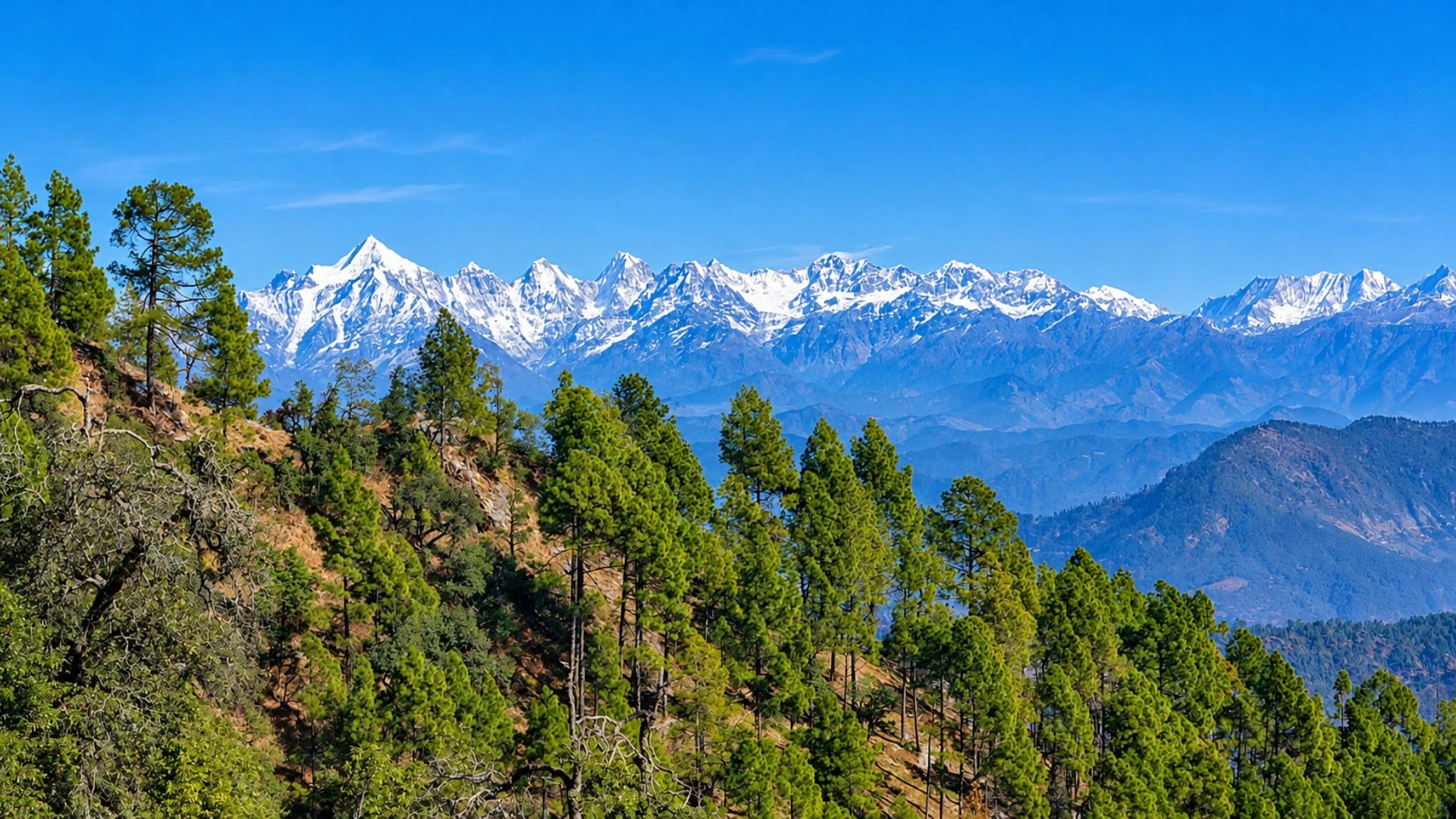
One of the biggest attractions is the peaceful campsite surrounded by forests and mountain scenery. Spending the night beneath a star-filled sky creates a memorable camping experience. The following morning, trekkers continue towards the Nag Tibba summit, where clear weather can reveal beautiful views of Himalayan peaks and surrounding mountain ranges. A small temple dedicated to Nag Devta, the Serpent God, adds cultural and spiritual significance to the summit.

The Nag Tibba Trek is usually completed in two days, making it suitable for travelers planning a quick escape from city life. Although it does not require technical mountaineering skills under normal conditions, the uphill sections, uneven terrain, and possible winter snow require basic fitness and suitable trekking equipment.

With The Mountain Hike, trekkers can experience this beautiful trail with experienced trek leaders, local guides, organized camping arrangements, and safety support. Whether you are planning your first Himalayan adventure or looking for a refreshing weekend in nature, Nag Tibba offers a rewarding combination of adventure, relaxation, and mountain beauty.

The Nag Tibba Trek is one of the best treks in Uttarakhand for beginners who want to experience Himalayan forests, camping, and scenic mountain views.
Copy anchor text

Why Choose This Trek?

The Nag Tibba Trek is a popular choice for travelers who want to explore the Himalayas without committing to a long or technically demanding expedition. Its accessible location, scenic forests, and rewarding summit make it an excellent introduction to Himalayan trekking.

1. Perfect Weekend Getaway

Complete the trek in approximately two days and return to city life with unforgettable mountain memories. It is a convenient option for working professionals, students, and travelers with limited time.

2. Beginner-Friendly Adventure

The trail combines gradual climbs, forest paths, and uneven mountain terrain. With basic fitness, proper footwear, and experienced guidance, it can be a rewarding first trekking experience.

3. Beautiful Himalayan Views

The summit and surrounding ridges offer scenic mountain panoramas. Depending on visibility, trekkers may see peaks and ranges such as Bandarpoonch and Swargarohini, along with other prominent Himalayan mountains.

4. Peaceful Forest Trails

Walk through oak and rhododendron forests, terraced fields, and quiet mountain villages. These natural surroundings make the journey enjoyable for nature lovers and photographers.

5. Memorable Camping Experience

Spend an evening at a mountain campsite, enjoy a warm meal, and experience the peaceful atmosphere of the Himalayas beneath the stars.

6. A Wonderful Winter Trek

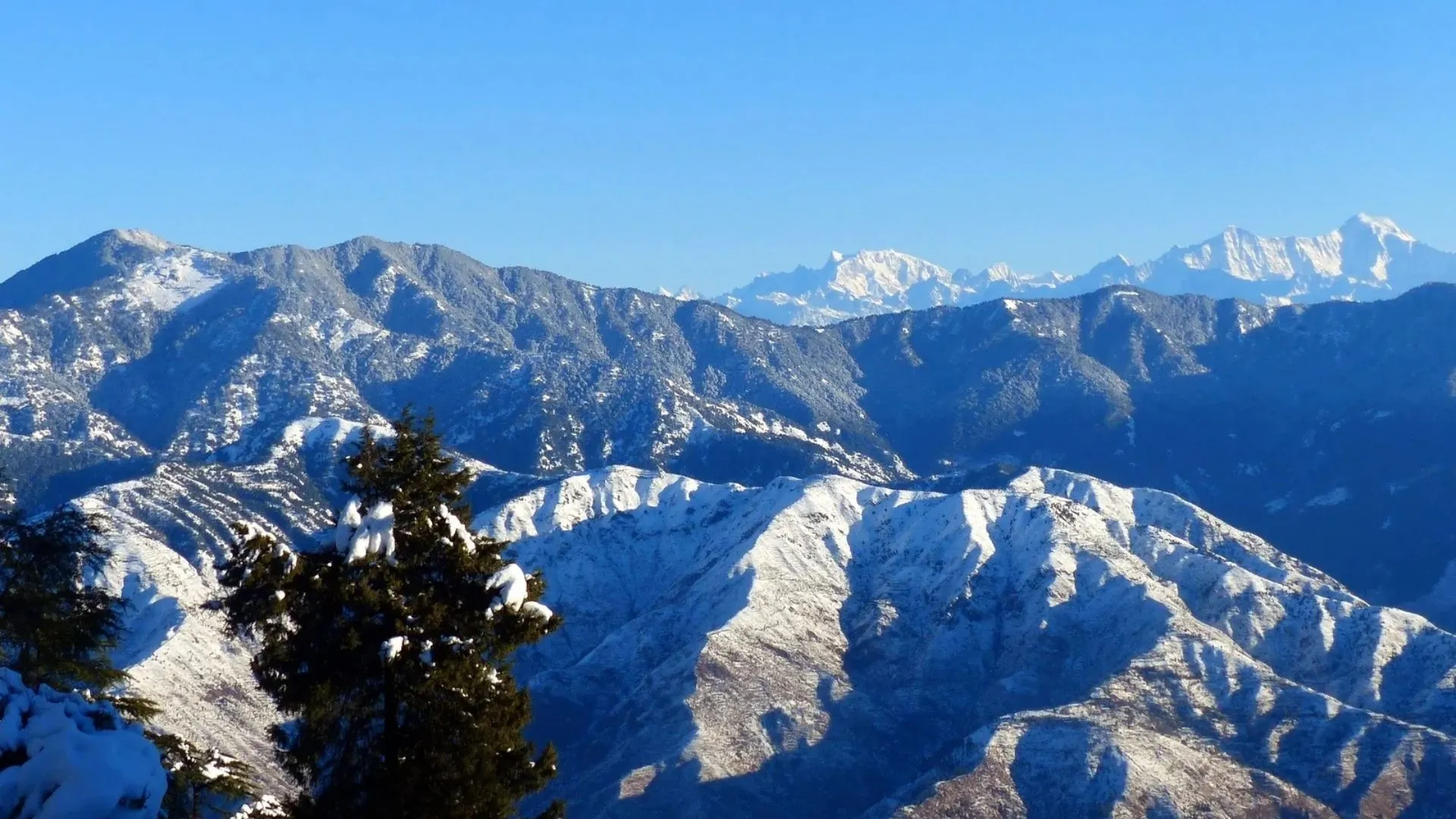
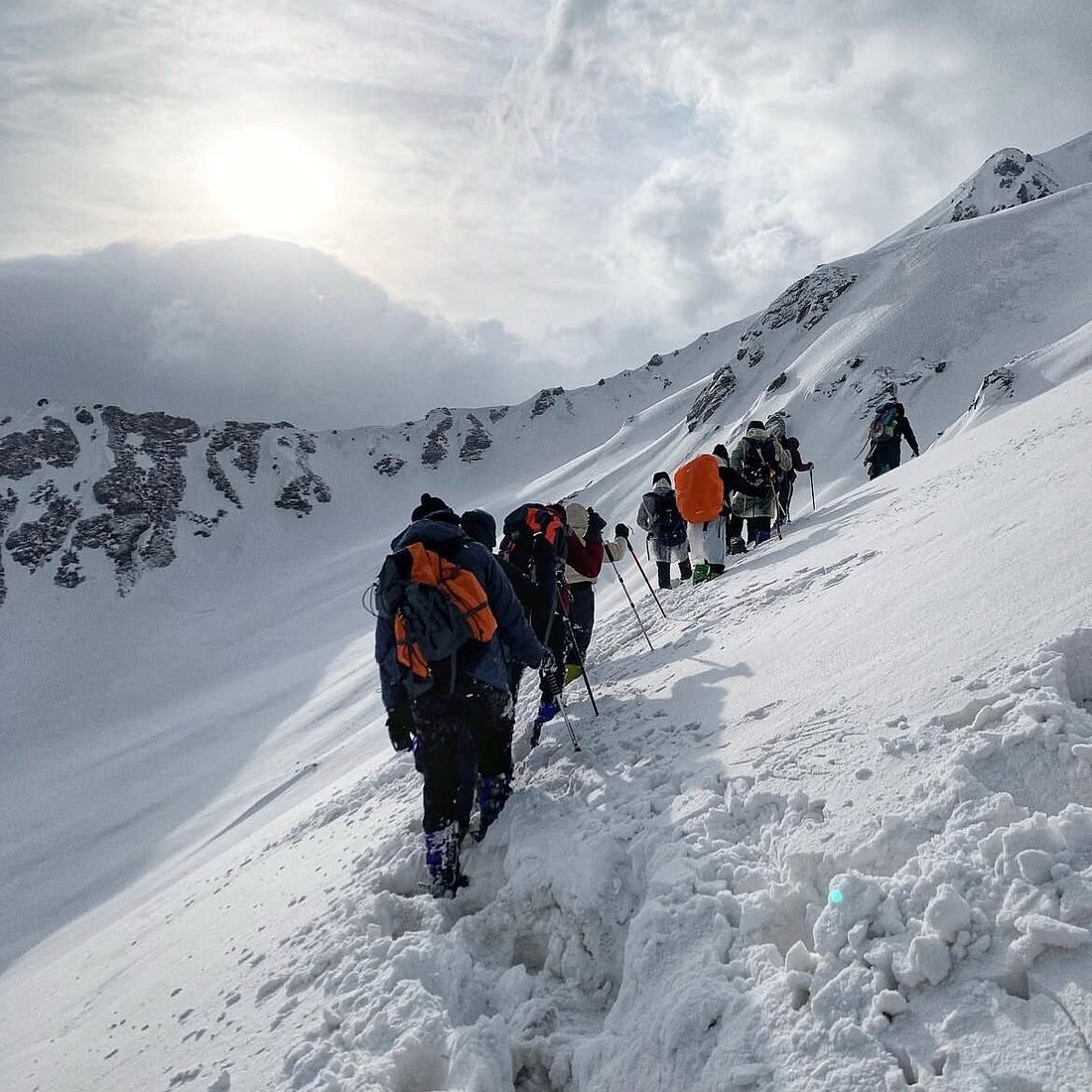
During suitable winter conditions, snow transforms the forest trails and campsite into a beautiful white landscape. The Nag Tibba Trek in December is especially appealing to travelers who want to experience their first snow trek.

7. Local Culture and Natural Beauty

Explore traditional Garhwali villages, learn about local customs, and observe Himalayan birds and other wildlife without disturbing their natural habitat.

8. Trek with The Mountain Hike

The Mountain Hike offers organized trekking experiences with experienced trek leaders, local knowledge, camping arrangements, and safety support. Package inclusions and transportation arrangements should be confirmed before booking.

Everything You Need To Know

The following two-day plan provides a general overview of the route. Exact timings, campsite locations, and trail conditions may change according to weather, season, and the selected package.

Day 1

Dehradun to Pantwari Village → Campsite

Scenic drive to Pantwari, followed by a trek through forests to the campsite.

Day 2

Campsite → Nag Tibba Summit → Pantwari → Dehradun

Early morning summit trek, visit to Nag Devta Temple, and descent to Pantwari before returning to Dehradun.

Dehradun to Pantwari and Trek to the Campsite

85–90 km 3–4 hours Campsite near Goat Village

Your adventure begins with an early-morning pickup from Dehradun Railway Station. From here, you travel towards Pantwari Village through scenic mountain roads and the Mussoorie region. The drive offers views of green valleys, forested hills, and traditional Himalayan settlements.

After reaching Pantwari, enjoy lunch and meet your trek leader for a briefing about the route, weather, and safety instructions. The trek begins with a gradual climb through the village and surrounding terraced fields.

As you move higher, the trail becomes more forested, passing through oak and rhododendron trees. In spring, rhododendrons add color to the landscape, while winter may bring snow to the higher sections. The fresh mountain air and peaceful surroundings make the climb enjoyable.

After several hours of trekking, you reach the designated campsite. Spend the evening relaxing, enjoying refreshments, and watching the sunset over the surrounding hills. Dinner is served at the campsite before you settle in for the night.

Day 1 Highlights

  1. Scenic drive through the Mussoorie region
  2. Traditional Garhwali villages and terraced fields
  3. Forest trails and mountain scenery
  4. Evening relaxation at the campsite
  5. Overnight camping in the Himalayas


Campsite to Nag Tibba Summit and Return to Dehradun

3 km 2 hours Usually by evening

Wake up early and enjoy breakfast before beginning the climb towards Nag Tibba summit. The trail passes through forested sections and gradually opens onto higher mountain slopes and ridges.

After reaching the summit area, visit the small Nag Devta Temple and enjoy the surrounding Himalayan scenery. On a clear day, the views can be spectacular, making this a rewarding moment for photographers and mountain lovers.

Take time to rest, enjoy the natural surroundings, and capture photographs before starting the descent. The downhill route follows the trail towards Pantwari Village. Descend carefully, particularly if the trail is wet, icy, or covered in snow.

After reaching Pantwari, have lunch if included in your arrangements and begin the drive back to Dehradun. You generally arrive by evening, completing your short Himalayan adventure.

Day 2 Highlights

  1. Early-morning summit climb
  2. Visit to Nag Devta Temple
  3. Panoramic mountain scenery in clear weather
  4. Forest descent towards Pantwari
  5. Return journey to Dehradun

Important: The total trekking distance depends on the campsite and the exact route. Confirm the complete distance and daily walking schedule with The Mountain Hike before booking.


The Nag Tibba Trek combines mountain scenery, forest trails, village life, and camping into one rewarding experience. Although the route is relatively short, each section offers something different.

Traditional Mountain Villages

The journey begins at Pantwari Village, where terraced fields, traditional homes, and mountain views introduce you to the rural landscape of Garhwal. The village also provides an opportunity to observe local life and understand the region’s connection with the mountains.

Oak and Rhododendron Forests

The trail passes through forested slopes that offer shade and a refreshing atmosphere. Spring brings colorful rhododendron blooms, while autumn often provides pleasant walking conditions and clear views.

Camping in the Mountains

Camping is one of the most memorable parts of the trek. The peaceful surroundings, evening refreshments, and starry skies create a relaxing break from busy city life. Campsite facilities vary by season and package.

Nag Devta Temple and Summit

The summit area is associated with Nag Devta, a revered local deity. Along with its cultural significance, the summit offers scenic views of the surrounding Garhwal Himalayas when weather conditions are favorable.

Wildlife and Photography

Birds, butterflies, and other Himalayan wildlife may be seen along the trail. Trekkers should observe wildlife from a distance and avoid disturbing the forest environment.

Planning ahead helps you choose the right season, prepare your equipment, and understand the travel arrangements. Before booking, confirm the starting point, campsite, package inclusions, and daily trekking distances.

Nag Tibba Trek from Dehradun

Dehradun is the usual pickup point for organized Nag Tibba trekking packages. From the city, travelers drive towards Pantwari Village, where the trek begins.

By Air: Jolly Grant Airport is the nearest airport, approximately 30 km from central Dehradun. Travel times can vary depending on traffic.

By Train: Dehradun Railway Station is connected to several major Indian cities, including Delhi.

By Road: Regular buses, taxis, and private vehicles connect Dehradun with Delhi and other nearby cities.

For a smoother start, consider arriving in Dehradun the previous evening. If your package includes a pickup, confirm the reporting time and exact meeting point with The Mountain Hike.

Nag Tibba Trek from Delhi

Travelers planning the Nag Tibba Trek from Delhi can first reach Dehradun by train, bus, or private vehicle. The onward journey continues by road to Pantwari Village, followed by the trek to the campsite and summit.

A practical plan is to travel to Dehradun the night before the trek and arrange an overnight stay if required. This helps reduce the risk of missing an early-morning pickup because of traffic or travel delays.

The total travel time depends on the chosen transport, traffic, and road conditions. Check your departure schedule before making connecting travel arrangements.

Nag Tibba Trek Distance

The nag tibba trek distance is approximately 14–15 km for a commonly offered two-day route, although the total varies with the campsite and trail selected. The first day generally involves a shorter uphill walk from Pantwari, while the second day includes the summit climb and descent.

The distance alone does not determine the difficulty. Trail conditions, elevation gain, weather, and the weight of your backpack also affect how challenging the trek feels.

If you prefer exploring open alpine meadows, the Dayara Bugyal Trek is another beautiful trekking option in Uttarakhand.

Nag Tibba Trek Height

The nag tibba trek height is approximately 9,915 feet (3,022 meters) above sea level. This relatively moderate summit elevation makes Nag Tibba an accessible option for many beginners compared with more demanding high-altitude Himalayan treks.

However, the climb still requires physical effort. Snow, rain, cold temperatures, and slippery sections can increase the difficulty, so trekkers should follow local guidance.

Nag Tibba Trek Weather

The nag tibba trek weather changes considerably throughout the year. Spring and summer generally offer comfortable daytime conditions, autumn often provides clear mountain views, and winter brings colder nights with the possibility of snowfall.

Rainfall during the monsoon can make the trail slippery, while winter conditions may require additional insulation, waterproof layers, and suitable footwear.

Always check a reliable weather forecast before departure and follow your trek leader’s advice. Mountain weather can change quickly, so carrying layered clothing and rain protection is recommended in every season.


 

Choosing an experienced trekking operator can make your Himalayan journey more organized and enjoyable. The Mountain Hike focuses on local knowledge, practical planning, responsible trekking, and support throughout the trip.

Experienced Trek Leaders

Experienced trek leaders help participants understand the route, manage the walking pace, and respond appropriately to changing trail conditions.

Safety-Focused Planning

Safety briefings, first-aid arrangements, weather checks, and route planning are important parts of a responsible trekking experience. Emergency equipment and support depend on the specific departure and should be confirmed before booking.

Comfortable Camping Arrangements

Depending on the package, camping facilities may include tents, sleeping bags, mattresses, and designated dining areas. These arrangements allow trekkers to rest after a day on the trail.

Meals and Group Support

Trekking meals and group support help make the journey more convenient. Confirm the meal plan, dietary options, and accommodation arrangements when reserving your place.

Responsible and Sustainable Travel

The Mountain Hike encourages participants to reduce waste, respect local culture, and support communities along the trekking route.

Local Knowledge

Local guides can share information about the surrounding forests, mountain landscapes, villages, and cultural traditions, adding context to the trekking experience.

Help Before Departure

From choosing a suitable departure to understanding packing requirements, travelers can seek guidance about preparation and logistics. Always confirm transport, accommodation, meals, departure dates, and exclusions with The Mountain Hike before booking.

Choosing the right nag tibba trek package helps you understand the services, equipment, and travel arrangements provided during your trip. The exact cost and inclusions depend on the selected package, group size, departure date, and transportation arrangements.

Inclusions

  • Accommodation in camps, guesthouses, or homestays as specified.
  • Vegetarian meals with egg options during the trek, if included.
  • Tents, sleeping bags, and mattresses for camping departures.
  • Kitchen and dining arrangements where applicable.
  • Camping utensils and cooking arrangements.
  • Forest permits and entry fees where applicable.
  • Experienced trek leaders and local guides.
  • Support staff for the trekking group.
  • First-aid medical kit and emergency support equipment.
  • Transportation between Dehradun and Pantwari, if specifically included.

Exclusions

  • Personal shopping and other personal expenses.
  • Meals during road journeys.
  • Travel insurance.
  • Porter or mule charges for personal luggage.
  • Personal trekking clothing and footwear.
  • Emergency evacuation or medical expenses not covered by the package.
  • Additional costs arising from road closures, severe weather, or unforeseen delays.
  • Any service not specifically listed under the inclusions.

The Nag Tibba Trek is generally graded as Easy to Moderate. It is suitable for beginners with basic fitness, but it still involves uphill walking, uneven terrain, and several hours of trekking on each day.

Who Can Do This Trek?

The trek can be suitable for:

  • First-time trekkers
  • Fit families and older children
  • Solo travelers
  • College groups
  • Working professionals
  • Nature lovers and photographers
  • Adventure beginners

Children and older adults should be assessed according to their health, fitness, and ability to walk on uneven terrain. Winter snow can make the trail more challenging.

Fitness Requirements

You do not necessarily need previous trekking experience, but preparation will make the climb more comfortable.

Before departure:

  • Walk regularly and gradually increase your walking time.
  • Practise climbing stairs to build leg strength.
  • Include light jogging or other cardio activities.
  • Try squats and lunges if appropriate for your fitness level.
  • Stay hydrated and get adequate sleep.
  • Break in your trekking shoes before the trip.

With suitable preparation and guidance from The Mountain Hike, beginners can enjoy the route with greater confidence.

The Nag Tibba Trek can be enjoyed during several seasons, but the experience changes with weather, snowfall, and trail conditions. Choosing the right time depends on whether you prefer green forests, clear mountain views, or a snow-covered landscape.

March to April

Spring

Spring is a beautiful time for the Nag Tibba Trek, with seasonal rhododendron blooms, pleasant daytime temperatures, and fresh mountain scenery. The scenic forest trails offer excellent opportunities for nature photography and enjoying the peaceful Himalayan surroundings, although mornings and nights can still be cold.

May to June

Summer

Summer is a popular time for the Nag Tibba Trek, especially among beginners, families, and weekend travelers. The weather is generally more comfortable than in the colder months, and the surrounding hills become greener, creating a refreshing escape from the heat of the plains. The pleasant forest trails are ideal for nature walks, mountain photography, and short weekend adventures.

July to September

Monsoon

Monsoon brings lush greenery, mist-covered forests, and fresh mountain scenery to the Nag Tibba Trek. However, heavy rainfall can make the trails slippery and increase the risk of landslides on approach roads. Although the landscape looks beautiful, trekking plans should depend on local weather forecasts, trail conditions, and the trek operator’s safety assessment.

October to November

Autumn

Autumn is an excellent time for the Nag Tibba Trek, offering clearer skies, pleasant daytime conditions, and beautiful views of the surrounding Himalayan peaks. As the monsoon ends, the trails often become more suitable for trekking and photography, while crisp mornings and cooler evenings add to the mountain experience. It is an ideal season for panoramic views, nature photography, and peaceful forest walks.

December to February

Winter

Winter offers a beautiful experience on the Nag Tibba Trek, with cold temperatures and the possibility of snowfall. The nag tibba trek in december is popular among travelers looking for snowy trails, peaceful winter forests, and a memorable camping adventure. However, snowfall is not guaranteed on specific dates. Before travelling, confirm snow conditions, road access, suitable equipment, and campsite availability with your trek operator.

A successful trek depends on preparation, appropriate equipment, and responsible decisions on the trail.

Essential Documents

Carry a valid government-issued photo ID, booking confirmation, emergency contact details, and any required medical documentation. Keep digital copies as a backup.

Personal Care and Medicines

Bring sunscreen, lip balm, moisturizer, basic toiletries, and any prescribed medication. A personal first-aid kit with suitable bandages and other basic supplies can also be useful.

Food and Hydration

Carry reusable water bottles and a few light snacks, such as dry fruits or energy bars. Drink water regularly and follow your trek leader’s guidance about safe drinking-water sources.

Weather Protection

Use layers to adjust to changing temperatures. A waterproof jacket, warm gloves, and a cap are particularly important in cold or wet conditions.

Safety Guidelines

  • Follow your trek leader’s instructions.
  • Stay with your group and avoid wandering alone.
  • Walk at a steady pace and take breaks when necessary.
  • Use footwear suitable for the terrain.
  • Do not continue towards the summit if conditions become unsafe.
  • Inform the trek leader if you feel unwell or unusually exhausted.
  • Follow local advice regarding snow, rain, and road conditions.

Although Nag Tibba is a relatively accessible trek, no mountain route is completely risk-free. Good preparation and sensible decisions are essential.

If you have extra time around your Nag Tibba adventure, consider visiting nearby hill stations, waterfalls, and cultural attractions.

Mussoorie

Known as the Queen of Hills, Mussoorie offers scenic viewpoints, beautiful mountain landscapes, and popular attractions such as Mall Road, Gun Hill, and Lal Tibba.

Kempty Falls

Located near Mussoorie, Kempty Falls is a popular waterfall surrounded by green hills, making it a refreshing stop during your return journey.

Dehradun

Dehradun offers attractions such as Robber's Cave, Sahastradhara, and the Forest Research Institute, making it a great place to explore before or after the trek.

Dhanaulti

Dhanaulti is a peaceful hill destination known for its deodar forests, fresh mountain air, and scenic surroundings.

Nag Tibba Trek FAQs

Your complete guide to planning a memorable Nag Tibba Trek, from the best season and trail details to essential travel tips.

The Nag Tibba Trek is located in the Garhwal Himalayas of Uttarakhand. The trek usually starts from Pantwari Village, which is accessible by road from Dehradun.

The Nag Tibba summit stands at approximately 9,915 feet (3,022 meters) above sea level, offering beautiful views of the surrounding Himalayan mountains.

Yes, Nag Tibba is an Easy to Moderate trek suitable for beginners with basic fitness. It is a popular choice for first-time trekkers, families, and weekend travelers.

The Nag Tibba Trek covers approximately 14–15 km over two days, depending on the route and campsite selected.

The best time to visit Nag Tibba is generally March to June and October to November for pleasant trekking conditions and scenic mountain views. December to February is popular among those seeking snow, depending on snowfall and trail conditions.

Yes, you can plan the Nag Tibba Trek from Delhi by traveling to Dehradun by train, bus, or car. From Dehradun, continue by road to Pantwari Village, the starting point of the trek.

You can travel from Dehradun to Pantwari Village by road and begin the trek from there. The Mountain Hike may offer pickup and transportation arrangements depending on your selected package.

Yes, Nag Tibba can receive snowfall between December and February, making it a popular winter trekking destination. However, snowfall is not guaranteed, so check the latest weather and trail conditions before traveling.

The weather varies by season. Summers are generally pleasant during the day, autumn often offers clear mountain views, and winters can be extremely cold with possible snowfall. Monsoon conditions may make trails slippery.

The Nag Tibba Trek is generally completed in two days and one night. This includes the drive to Pantwari, trekking to the campsite, reaching the summit, and returning to Dehradun.

A Nag Tibba Trek package may include accommodation, meals, camping equipment, permits, trek leaders, local guides, and transportation, depending on the selected package. Always confirm the inclusions and exclusions before booking.

You can contact The Mountain Hike through its official website or available booking channels to check departure dates, package prices, transportation, and inclusions before confirming your trek.

Stories From The Trail

Hear from trekkers who have experienced the Himalayan trails with The Mountain Hike.

Trek Gear Rental

Rent Trekking Gear & Equipment

Travel light and rent essential trekking gear for your adventure. Check the available equipment and choose what you need for your trek.

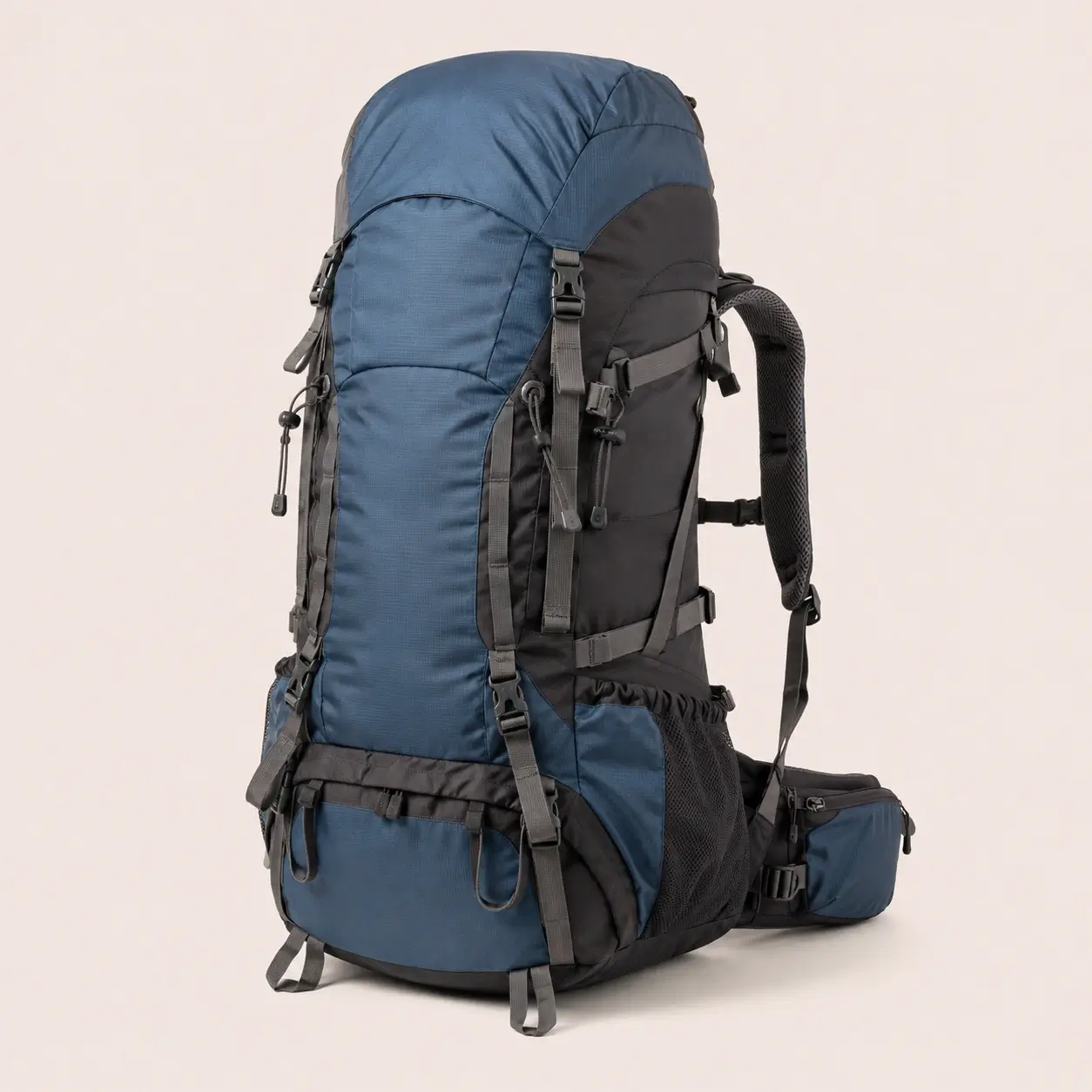
Rucksack available for rent

Rucksack

900
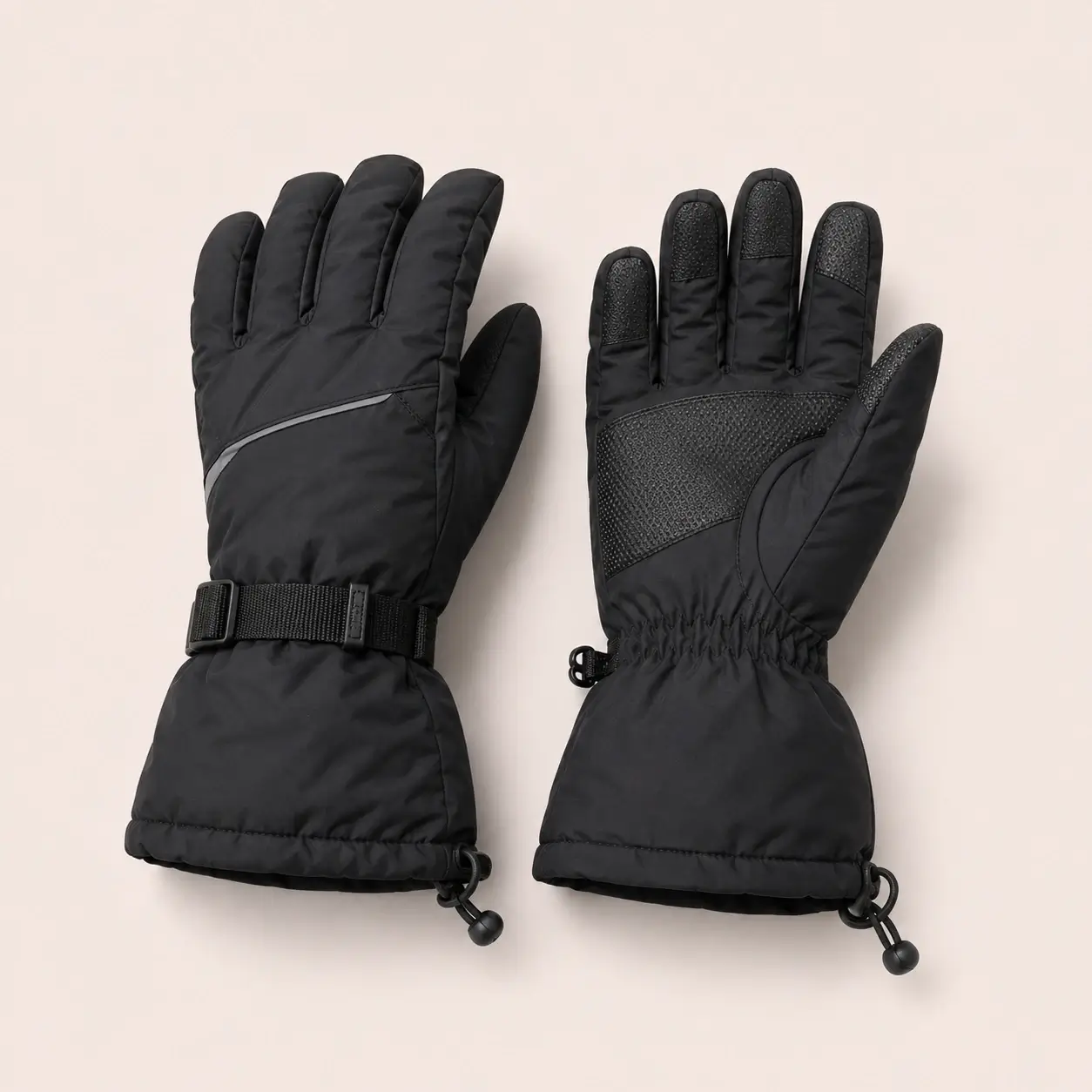
Gloves available for rent

Gloves

250
Cap available for rent

Cap

200
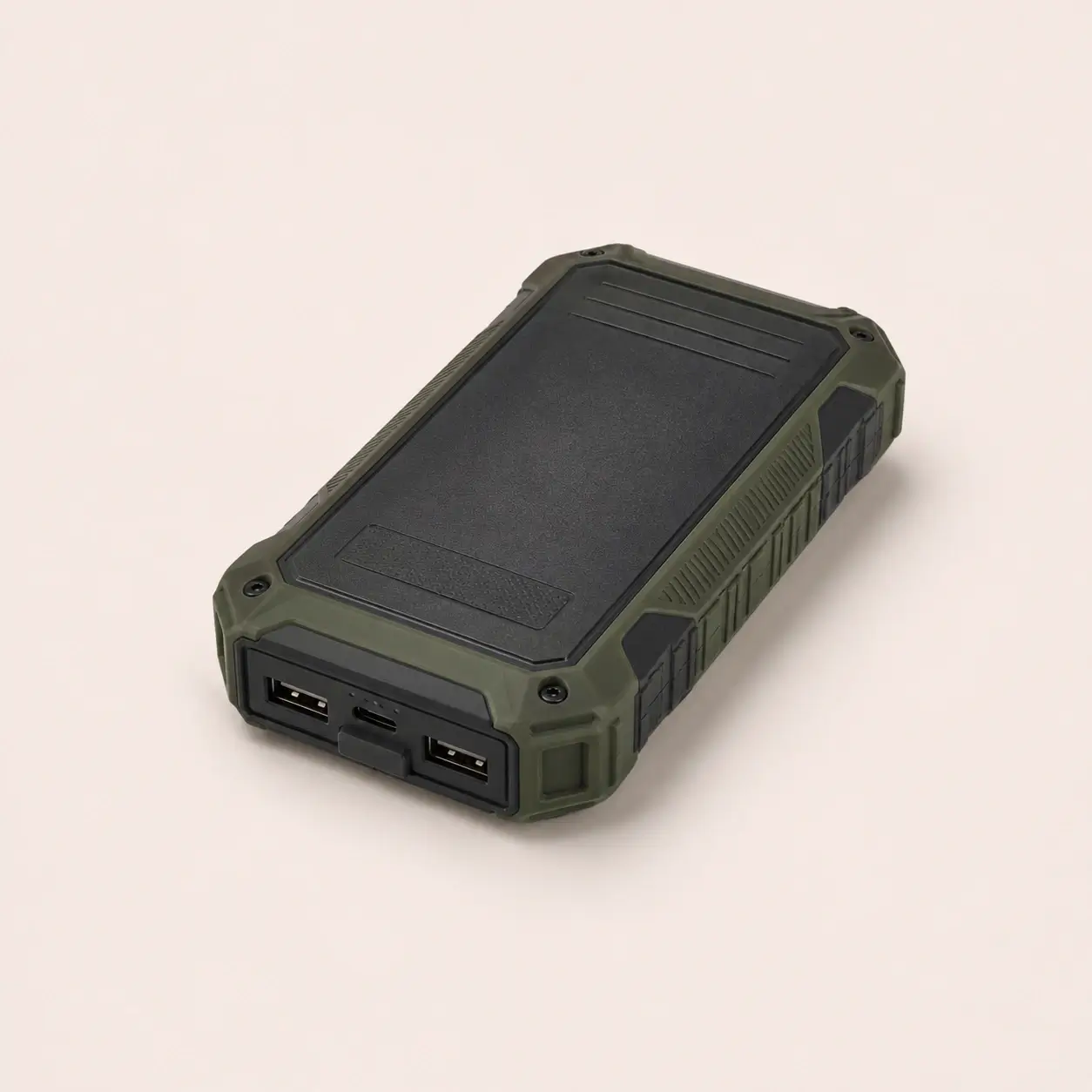
Power Bank available for rent

Power Bank

300
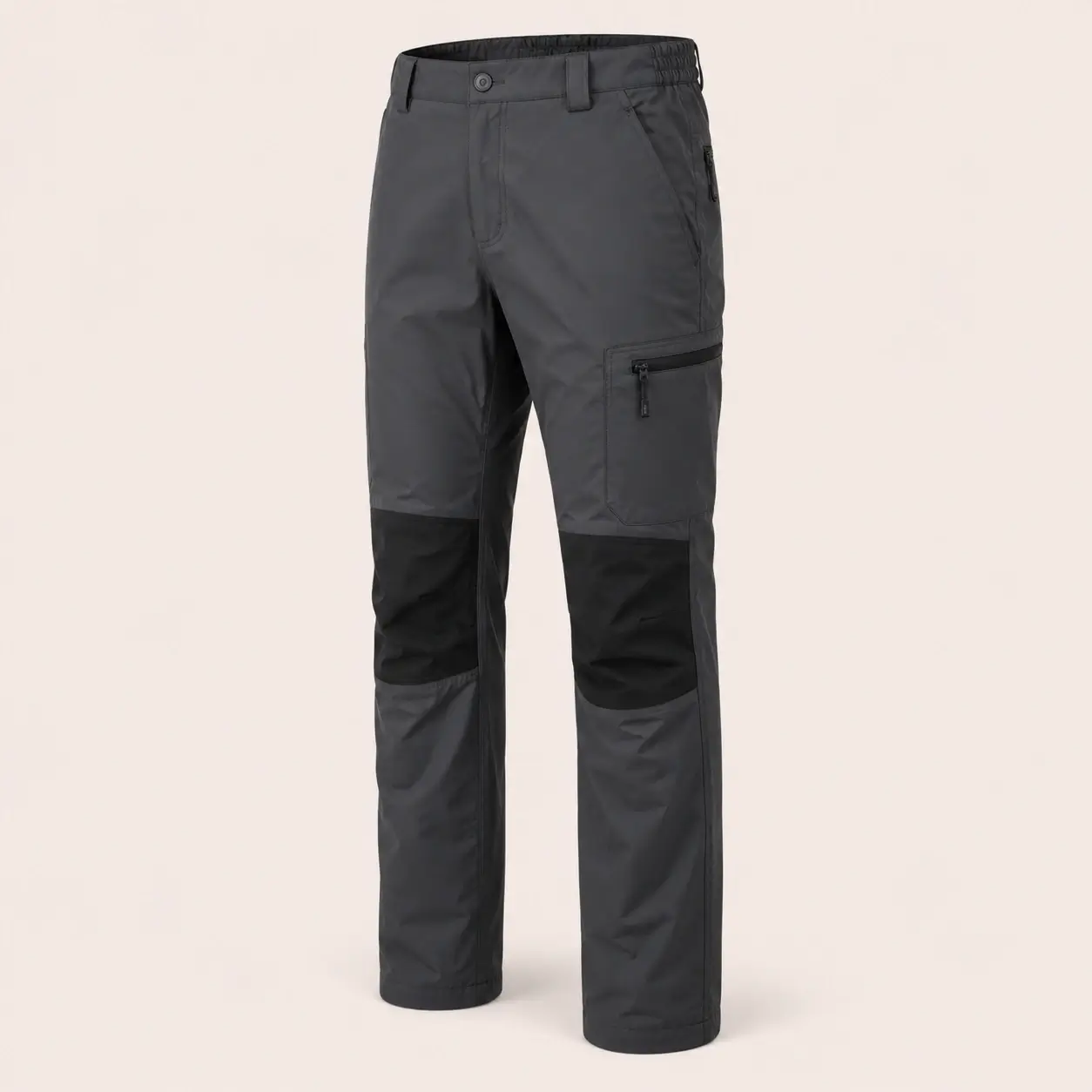
Trekking Pants available for rent

Trekking Pants

800
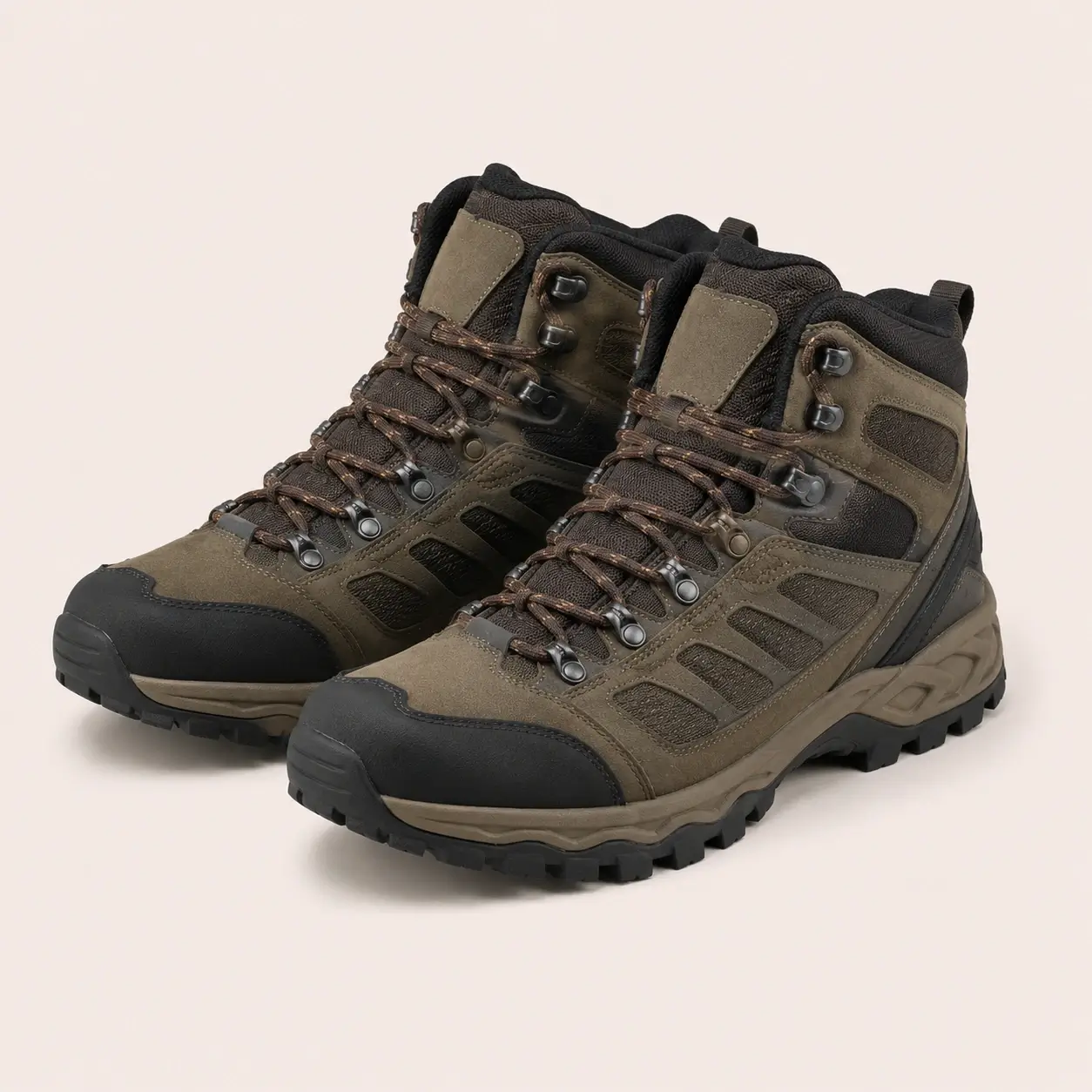
Trekking Shoes available for rent

Trekking Shoes

800
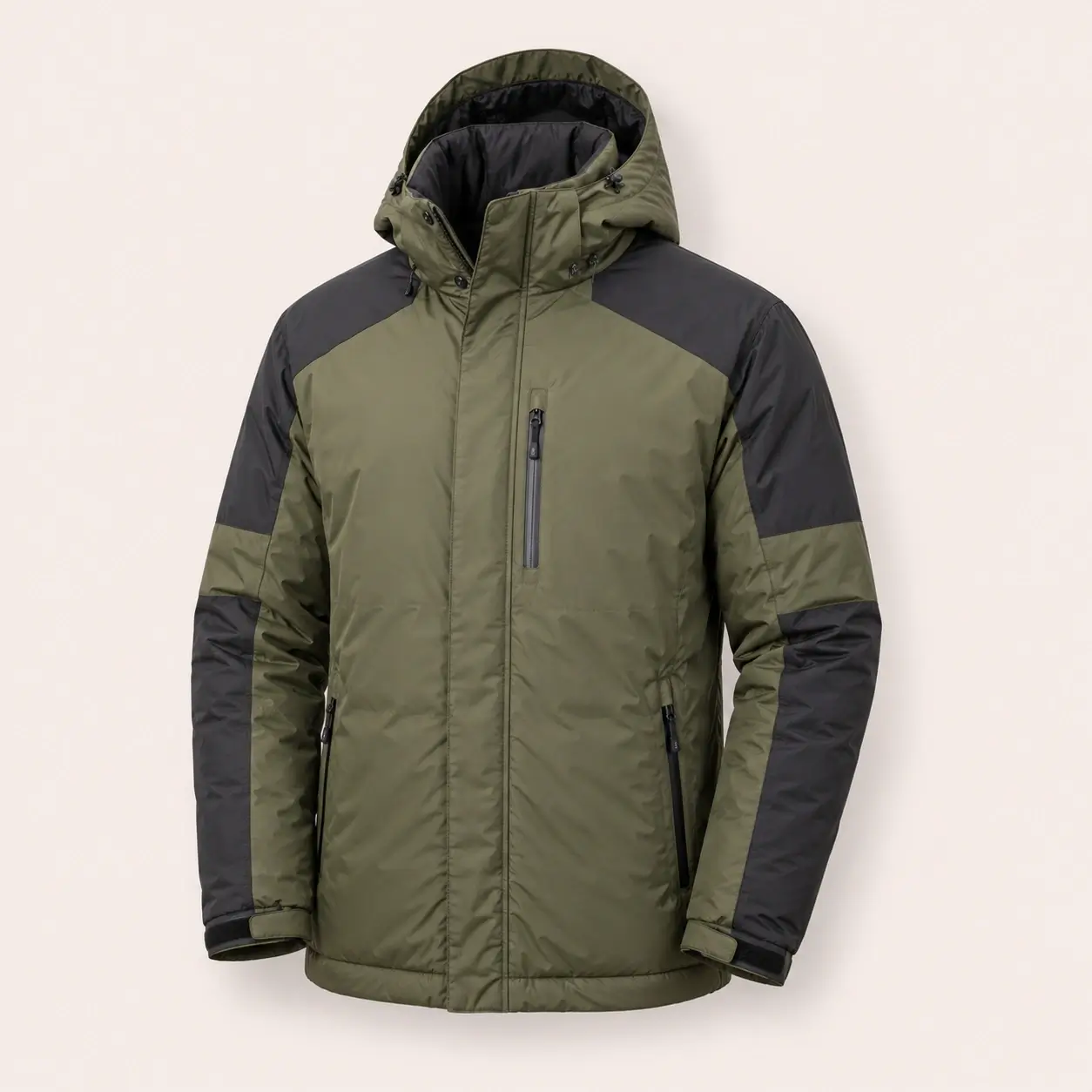
Jackets available for rent

Jackets

1000
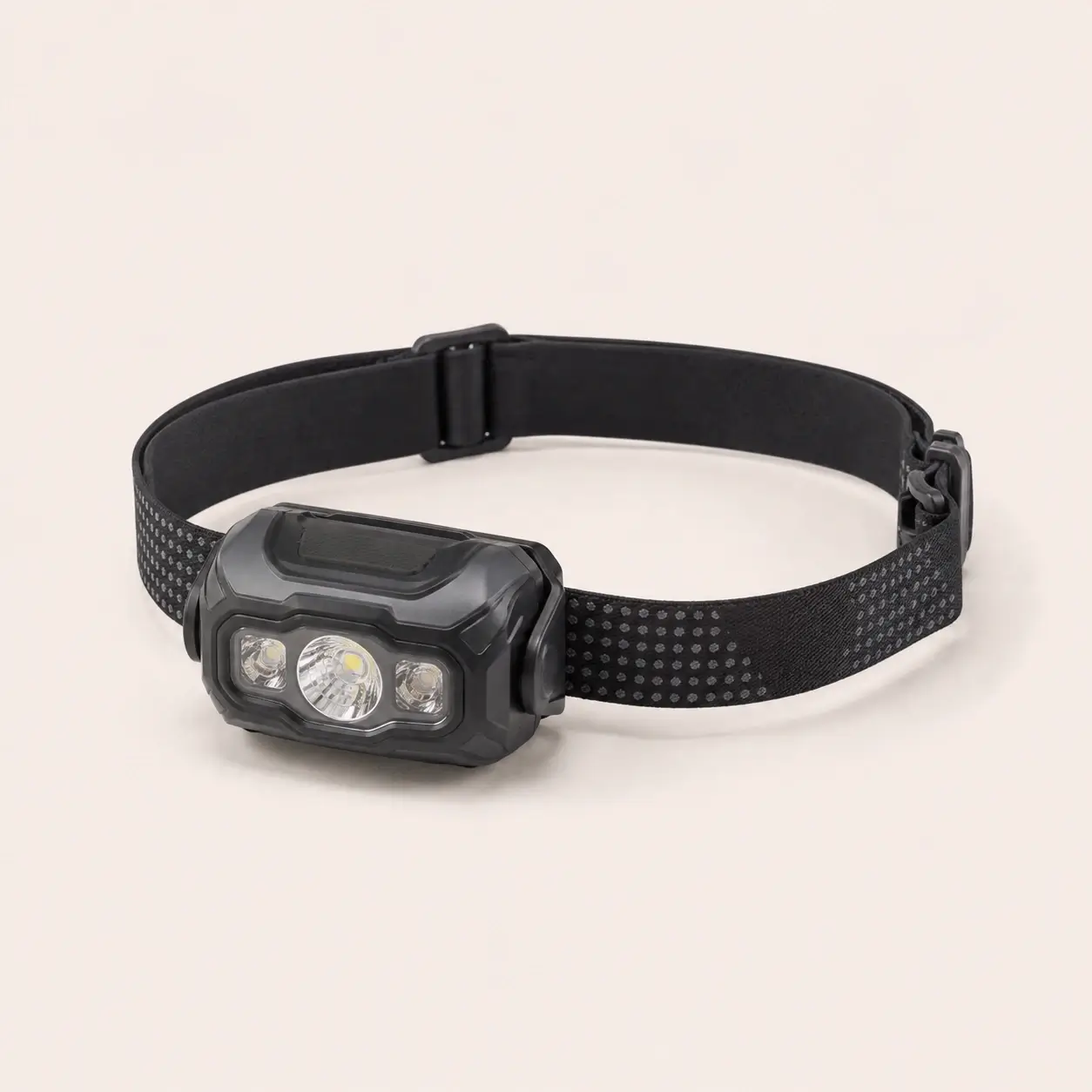
Head Lamps available for rent

Head Lamps

250
Lunch Box available for rent

Lunch Box

250
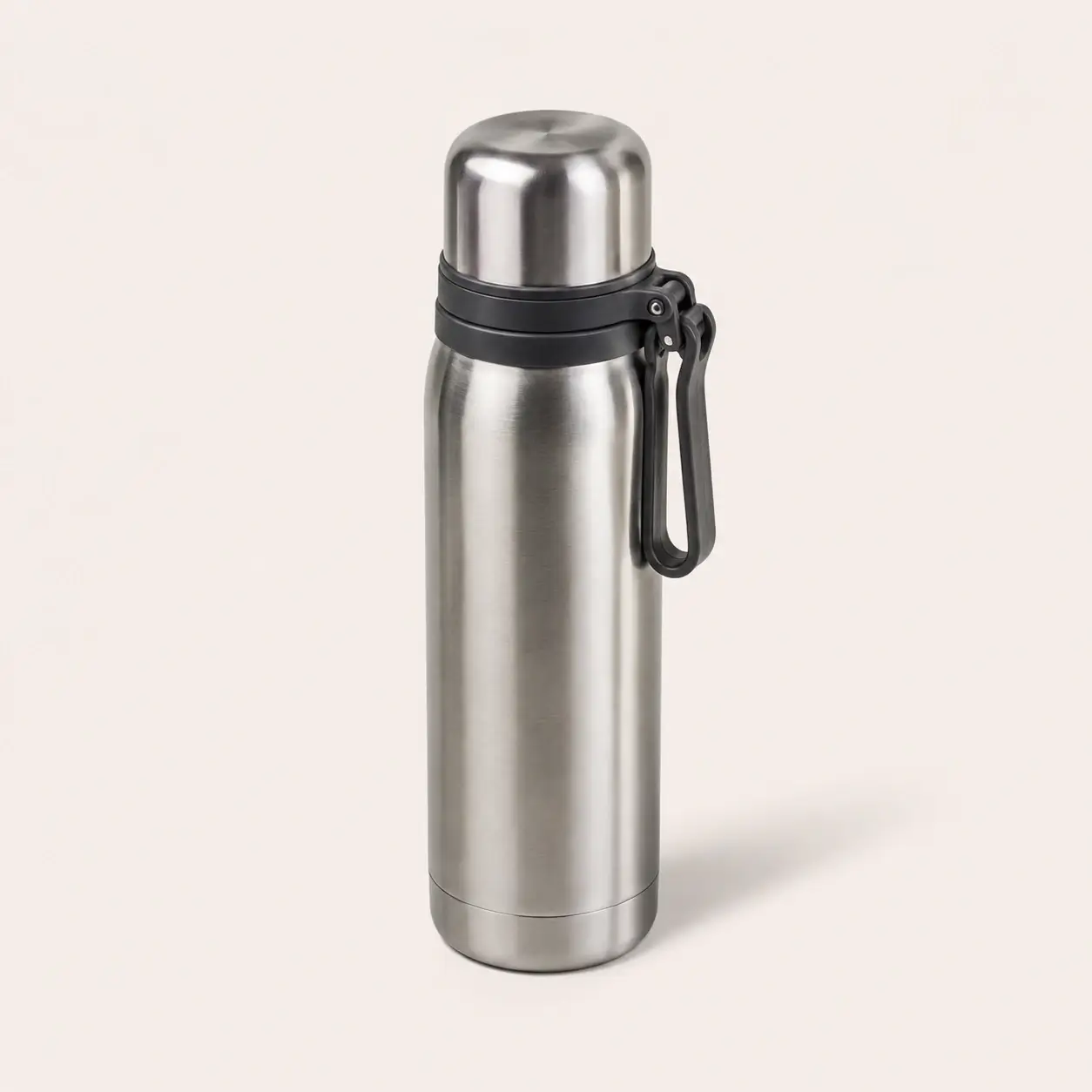
Flasks available for rent

Flasks

300
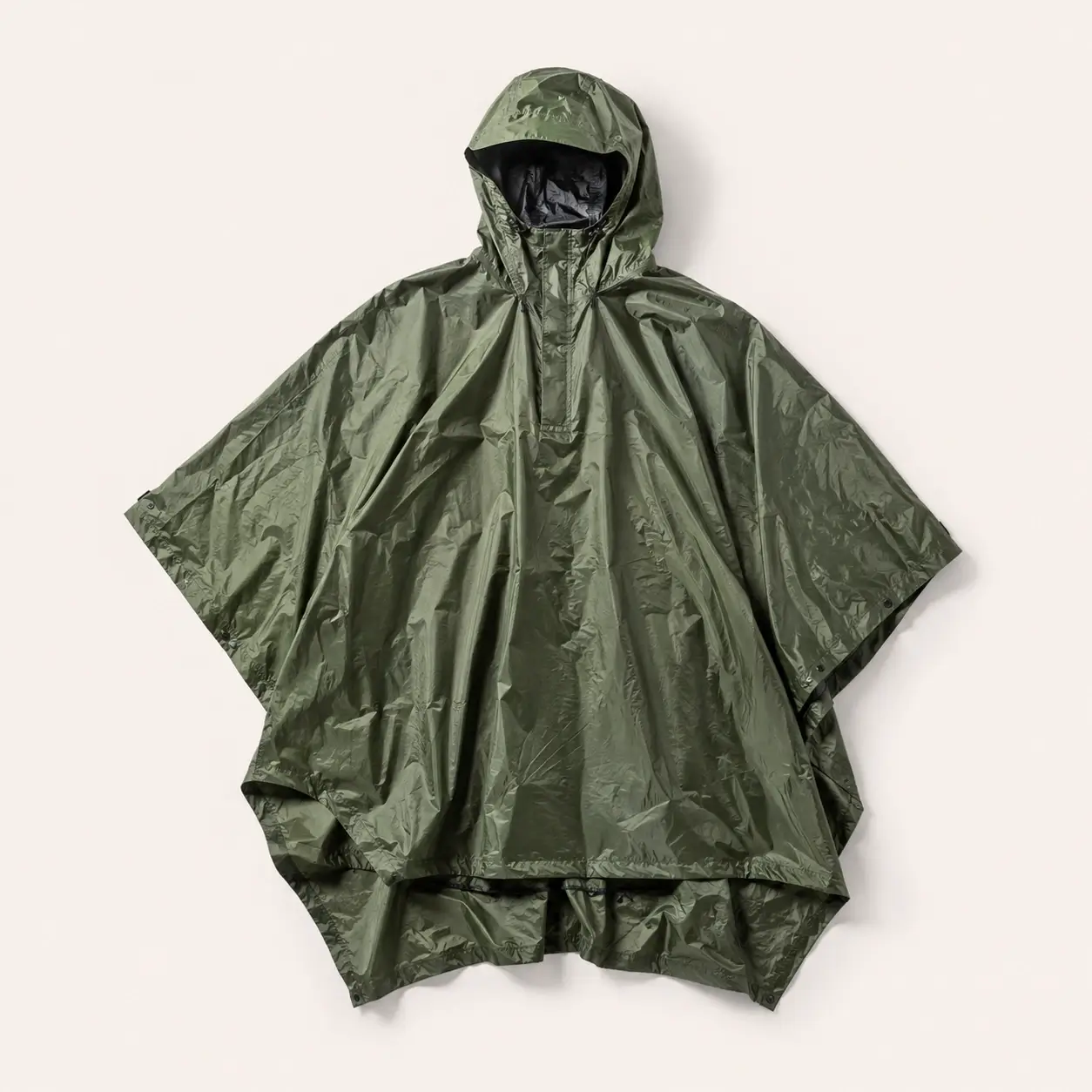
Rain Ponchos available for rent

Rain Ponchos

250
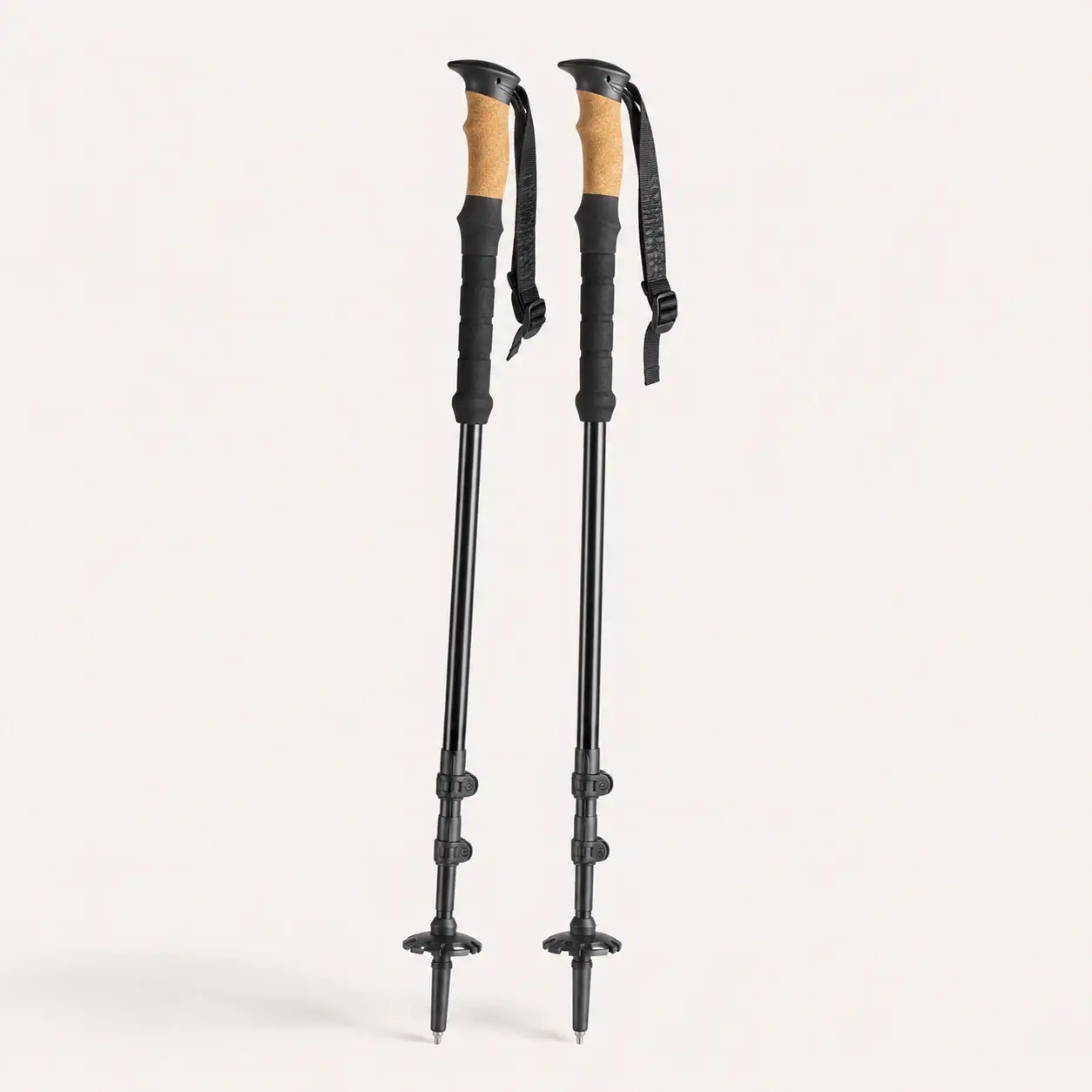
Trekking Poles available for rent

Trekking Poles

250