
Call Us WhatsApp
Kedarkantha Trek

Himalayan Trekking Adventure

Kedarkantha Trek

The Winter Wonderland of the Himalayas

Uttarkashi, Uttarakhand
Duration
5 Days
Maximum Altitude
15,800 ft
Trek Distance
43–45 km
Difficulty
Moderate to Difficult
Best Season
May–Jun & Sept–Oct
Starting Point
Rishikesh
Base Camp
Sankari
Accommodation
Guesthouses & Camps

Trek Overview

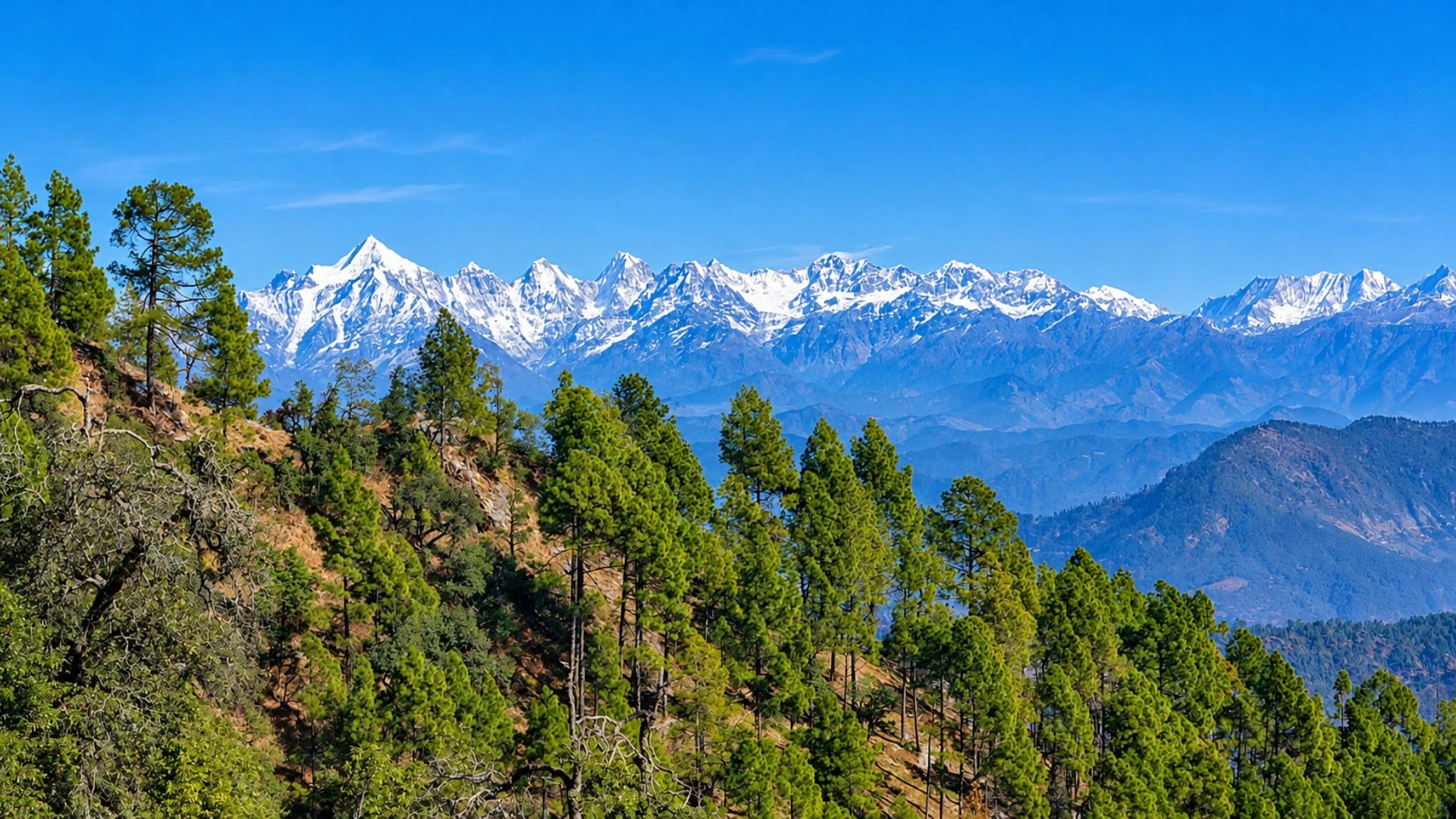
Nestled in the Western Garhwal Himalayas of Uttarkashi district, the Kedarkantha Trek is one of India’s most popular Himalayan adventures. Rising to an altitude of approximately 3,810 metres (12,500 feet), this beautiful summit trek is famous for snow-covered trails, dense pine and oak forests, peaceful alpine campsites, and breathtaking mountain views.

Whether you’re planning your first Himalayan adventure or looking for a memorable winter expedition, Kedarkantha offers an exciting combination of natural beauty, camping, and summit views. Its well-established trail and manageable distance make it a popular choice for beginners with good fitness.

The Kedarkantha trek distance is approximately 20 km, although the total can vary depending on the itinerary and route followed. The journey takes you through traditional mountain villages, beautiful forests, open clearings, and the famous Juda Ka Talab, which often freezes during winter.

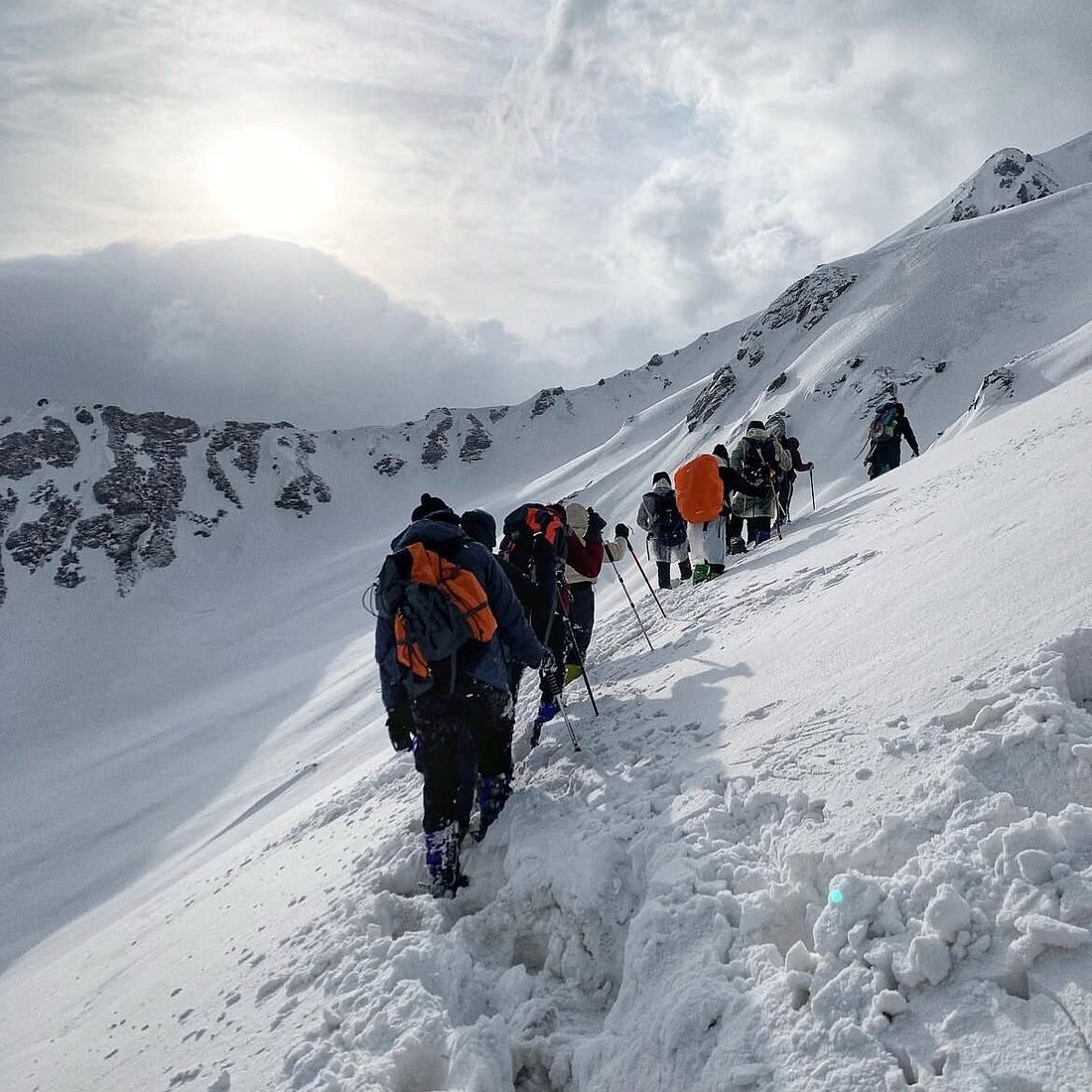
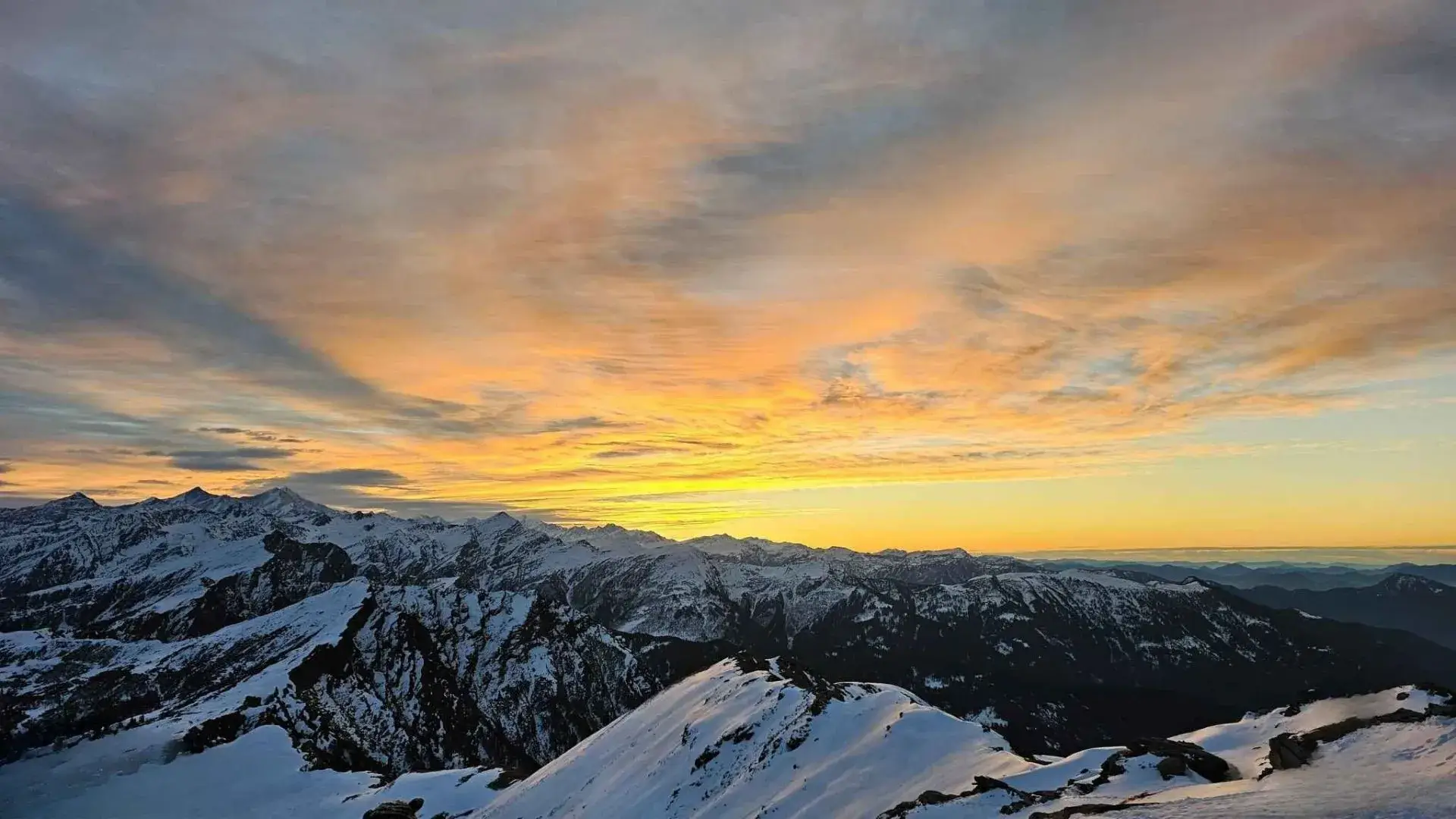
The summit climb is the highlight of the adventure. From the top, trekkers can enjoy panoramic views of Swargarohini, Bandarpoonch, Black Peak (Kala Nag), and surrounding Himalayan ranges. Watching the sunrise illuminate the snow-covered mountains is an unforgettable experience.

The Kedarkantha winter trek is especially popular because of its snowy forests, crisp mountain air, and peaceful campsites. December to February generally offers the best chance of experiencing winter landscapes, although snowfall depends on actual weather conditions.

With experienced trek leaders, local guides, camping arrangements, and safety support, The Mountain Hike helps trekkers experience the beauty of the Himalayas while following responsible trekking practices.

Why Choose This Trek?

The Kedarkantha Trek combines mountain scenery, forest trails, camping, and an achievable summit goal in a relatively short adventure. Here are some reasons to include it on your Himalayan travel list.

Perfect Winter Snow Trek

Kedarkantha is a favourite destination for winter trekking. Pine forests, campsites, and open slopes can become covered in snow, creating beautiful scenery for photography and outdoor adventure.

Beginner-Friendly Adventure

The established trail and gradual sections make this trek suitable for beginners who prepare properly. The summit day is more demanding, so good fitness and guidance remain important.

Stunning Summit Views

The summit rewards trekkers with panoramic views of Swargarohini, Bandarpoonch, Black Peak, and other Himalayan peaks on clear days.

Beautiful Forest Trails

Pine, oak, and rhododendron forests provide a peaceful setting throughout the journey. In winter, snow-covered trees create a completely different landscape.

Frozen Juda Ka Talab

Juda Ka Talab is one of the trek’s most memorable highlights. Depending on temperatures, the lake may freeze during winter, creating a striking campsite surrounded by forest.

Memorable Campsites

Camping beneath the Himalayan night sky offers an opportunity to relax, share stories, and enjoy the peaceful surroundings after a day on the trail.

Himalayan Wildlife and Photography

The surrounding forest ecosystem supports Himalayan birds and other wildlife. Trekkers can also photograph mountain ridges, forest clearings, snowy landscapes, and colourful sunrises.

Professionally Guided Experience

The Mountain Hike provides experienced trek leaders, local guides, camping equipment, meals, and safety support as specified in the selected package.

If you’re exploring more Himalayan adventures, browse our all treks to discover routes suited to different experience levels, seasons, and fitness goals.

Everything You Need To Know

This five-day Kedarkantha trek itinerary includes travel between Dehradun and Sankri, forest trekking, a night at Juda Ka Talab, and a summit attempt. Actual camping locations and distances may vary by operator, weather, snow conditions, and route planning.

Day 1

Dehradun → Sankri

Scenic drive via Mussoorie, Purola, and Mori to the base village of Sankri.

Day 2

Sankri → Juda Ka Talab

Trek through dense pine and oak forests, scenic clearings, and beautiful mountain trails.

Day 3

Juda Ka Talab → Kedarkantha Base Camp

Gradual ascent through forested slopes and open clearings with panoramic Himalayan views.

Day 4

Kedarkantha Base Camp → Kedarkantha Summit → Overnight Stay

Early morning summit climb for breathtaking Himalayan views, followed by a careful descent to the overnight campsite specified in your itinerary.

Day 5

Return to Dehradun

Travel back to Dehradun through scenic mountain roads and traditional villages.
Day 1

183.5 km 7–8 hours Guesthouse in Sankri

Your adventure begins in Dehradun, where you meet your trekking team before travelling towards Sankri, the base village for the Kedarkantha Trek.

The scenic drive passes through Mussoorie, Purola, and Mori, with views of forested hills, mountain villages, terraced fields, and the Tons River. By evening, you'll reach Sankri, a picturesque Himalayan settlement surrounded by pine forests and mountain scenery.

After checking into your guesthouse, enjoy dinner and attend the trek briefing. Use the evening to organise your backpack, check your equipment, and prepare for the days ahead.

For travellers planning the Kedarkantha trek from Dehradun, it is important to confirm the pickup time, meeting point, transport arrangements, and return schedule before departure.


Day 2

3.5–4 km 4 hours Campsite near Juda Ka Talab

After breakfast, begin walking through beautiful pine and oak forests. The trail gradually gains elevation, passing forest clearings and scenic viewpoints.

During winter, snow may cover parts of the trail, making the experience especially memorable. Take regular breaks, maintain a comfortable pace, and follow your trek leader's instructions.

After several hours, reach Juda Ka Talab, a picturesque alpine lake surrounded by trees. The lake may freeze during particularly cold periods, but conditions change from season to season.

Spend the evening enjoying the peaceful campsite, a warm meal, and the mountain sky before resting in your tent.


Day 3

6 km 5–6 hours Kedarkantha Base Camp

Begin the day with breakfast before continuing uphill towards Kedarkantha Base Camp. The trail passes through forested slopes and gradually opens into clearings with wider mountain views.

As you gain altitude, the landscape changes. During snowy periods, the surrounding slopes can look like a winter wonderland, while clearer seasons reveal forests, meadows, and distant ridges.

Your trek leader will guide the group, monitor the conditions, and help maintain a steady pace. Take time to rest, drink water, and enjoy the scenery.

On reaching base camp, settle into your tent and prepare for the summit attempt. Keep your warm clothing, headlamp, gloves, and other essential equipment ready for the early start.


Day 4

6–8 km 6–8 hours Guesthouse at Sankri

Summit day is the highlight of the Kedarkantha Trek. The climb often begins early, sometimes before sunrise, with a headlamp helping illuminate the trail.

The ascent becomes steeper as you approach the summit. Snow and ice can make certain sections challenging, so suitable footwear, appropriate equipment, and guidance from experienced trek leaders are essential.

As the sun rises, the surrounding Himalayan peaks may glow with golden and orange colours. At the summit, approximately 3,810 metres above sea level, you can enjoy panoramic views of Swargarohini, Bandarpoonch, Black Peak, and other distant mountain ranges, weather permitting.

After spending time at the top, begin the descent carefully. Summit-day distances and the final overnight location depend on the itinerary. Some operators include a descent to a lower campsite, while others may plan a longer return towards Sankri.

Important: Confirm the full summit-day distance, expected walking hours, and overnight stop with The Mountain Hike before booking. The summit climb and a return to Sankri on the same day can make for a substantially longer day than a simple 8.5 km trek.


Day 5

183.5 km 7–8 hours Back to Rishikesh

After breakfast, travel back towards Dehradun through the mountain roads and villages of the region.

Enjoy the final views of the forests, rivers, and traditional settlements along the way. Your journey concludes in Dehradun, bringing your Himalayan adventure to an end.

Keep some flexibility in your onward travel plans because road conditions, traffic, and weather can affect arrival times.


The Kedarkantha Trek is about more than reaching a summit. It is a journey through changing landscapes, peaceful forests, traditional mountain settlements, and beautiful campsites.

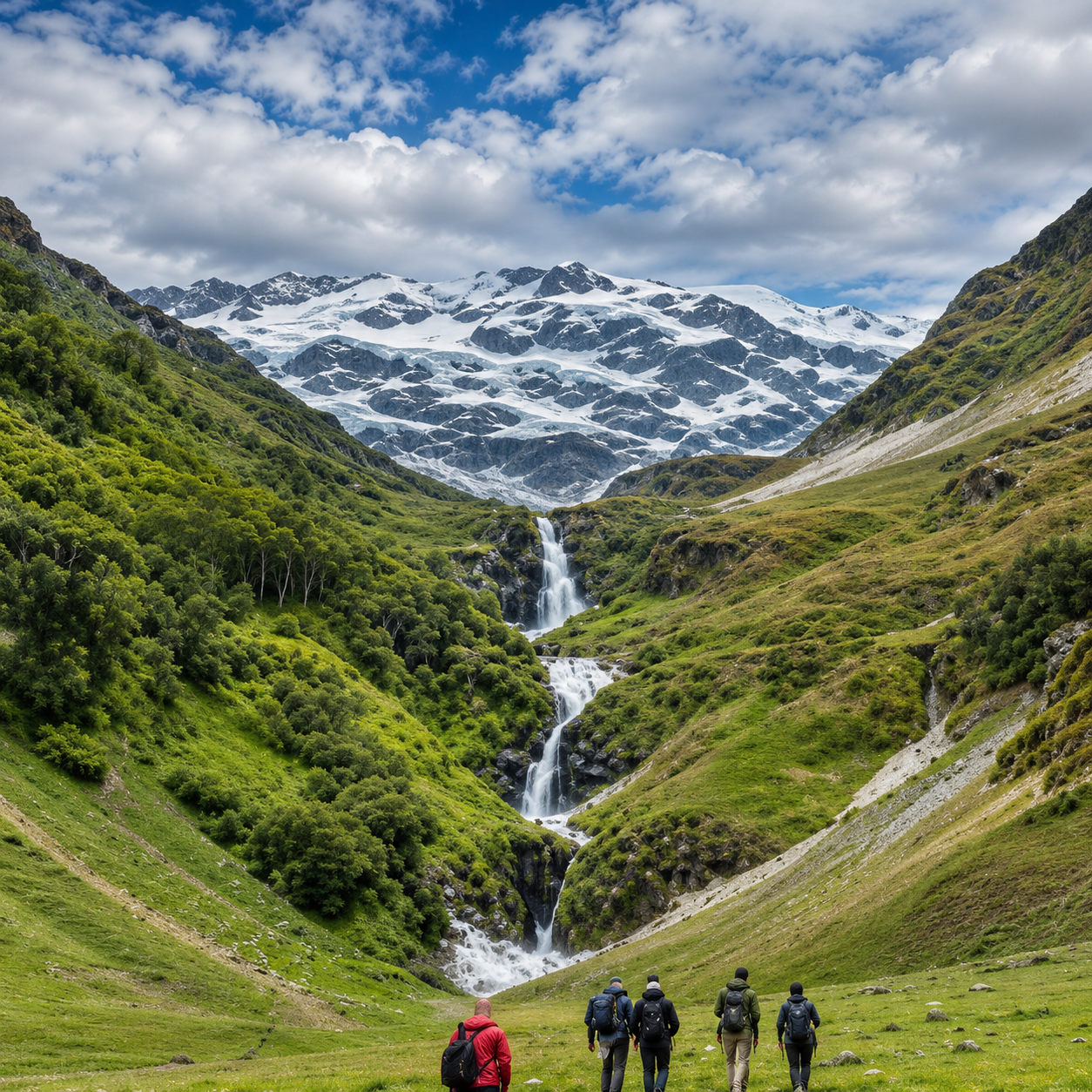
The adventure begins in Sankri, where wooden houses and forested hills introduce you to the atmosphere of the Garhwal Himalayas. As the trail climbs, pine and oak forests create a quiet natural setting.

Juda Ka Talab is one of the most memorable stops, particularly during winter when the lake and surrounding trees may be covered in snow. The trail then continues towards the higher campsites, where wider views of the mountains gradually emerge.

The summit offers a rewarding experience for trekkers who have prepared well. Clear weather can reveal spectacular views of the surrounding Himalayan peaks, while changing light at sunrise makes the landscape especially beautiful.

Throughout the journey, The Mountain Hike aims to provide a well-organised experience through local knowledge, trained trek leaders, appropriate equipment, and responsible trekking practices.

Good planning helps make your trek safer, more comfortable, and more enjoyable.

Check the Weather and Temperature

The Kedarkantha trek temperature varies by month, altitude, and weather conditions. Days can be sunny while nights at campsites fall below freezing in winter.

Check the forecast shortly before departure and pack warm layers, waterproof outerwear, gloves, and suitable trekking shoes. Snowfall and icy trails can affect walking times and the route.

Book Your Trek Early

The Kedarkantha Trek is popular during the winter holiday season, so available departures may fill up in advance.

For Kedarkantha trek booking, check the departure dates, group size, pickup arrangements, accommodation, meals, equipment, cancellation policy, and safety provisions offered by The Mountain Hike.

Understand the Package and Cost

The Kedarkantha trek package may include accommodation, meals during the trek, camping equipment, permits, and professional guidance. Exact inclusions vary by operator and departure.

The Kedarkantha trek cost depends on the package, group size, transportation, season, and additional services. Ask for a written breakdown of inclusions and exclusions before making payment. Confirm whether transport between Dehradun and Sankri is included.

Travel Arrangements

Most standard itineraries begin in Dehradun before continuing by road to Sankri.

Travellers planning the Kedarkantha trek from Delhi can reach Dehradun by train, bus, or flight connections, depending on their preferred schedule. Allow sufficient time between arrival in Dehradun and the trek pickup.

Confirm the meeting point, transport arrangements, return timing, and any overnight stay requirements with your operator.

Essential Documents

Carry the documents required for your departure, such as:

  • Government-issued photo ID
  • Trek booking confirmation
  • Medical fitness certificate, if required
  • Passport-size photographs, if requested
  • Emergency contact details

Stay Hydrated and Respect Nature

Drink water regularly, eat properly, and follow your trek leader’s guidance. Carry reusable bottles and bring personal waste back to designated disposal points.

Stay on established trails, avoid disturbing wildlife, and respect local communities. Responsible trekking helps protect the Himalayan environment for future visitors.

Choosing an experienced trekking organisation can make a difference to your Himalayan adventure. The Mountain Hike focuses on local knowledge, organised logistics, responsible travel, and support throughout the trekking experience.

Experienced Trek Leaders

Experienced, appropriately qualified trek leaders guide participants, explain trail conditions, and help manage changing weather and altitude-related challenges.

Professional Local Guides

Local guides bring knowledge of the route, regional culture, and mountain environment, helping trekkers appreciate more than just the scenery.

Comfortable Accommodation

The planned package may include guesthouse stays in Sankri and camping at designated locations. Confirm the specific arrangements for your departure.

Nutritious Meals

Meals provided during the trek help support the energy required for walking at altitude. Check the menu and dietary arrangements before booking.

Trekking Equipment

Depending on the package, equipment may include tents, sleeping bags, insulated mattresses, dining facilities, and seasonal snow gear.

Small Group Experience

Group sizes and support arrangements should be confirmed before departure. A suitable group size can help trek leaders provide better guidance and attention.

Comprehensive Safety Measures

Safety arrangements may include first-aid supplies, health monitoring, trained staff, emergency equipment, and established response procedures. Participants should follow the trek leader’s instructions and disclose relevant fitness concerns before starting.

Sustainable and Responsible Trekking

The Mountain Hike encourages responsible trekking practices, including reducing plastic waste, carrying reusable bottles, respecting wildlife, and following Leave No Trace principles.

Customer Support

The team can help with departure information, packing guidance, transport details, and package questions. Before confirming your trip, make sure all arrangements are clearly documented.

Before booking, confirm all services with The Mountain Hike because package arrangements may vary.

Inclusions

  • Guesthouse, homestay, and campsite accommodation
  • Vegetarian meals with egg options, as specified
  • Twin-sharing tents, sleeping bags, and insulated mattresses
  • Kitchen and dining tents
  • Trekking and camping equipment
  • Crampons during suitable snow conditions, if provided
  • Required forest permits and entry fees
  • Mountaineering-qualified trek leader
  • Local guides and support staff
  • First-aid kit and emergency equipment
  • Stretcher and oxygen support, according to the confirmed arrangements

Exclusions

  • Personal expenses
  • Meals during transit between Dehradun and Sankri
  • Travel and medical insurance
  • Personal trekking clothing and gear
  • Porter or mule charges for personal luggage
  • Expenses caused by weather disruptions, roadblocks, or other unforeseen events
  • Anything not specifically listed in the package inclusions

The Kedarkantha Trek is commonly classified as easy to moderate, but the summit climb and winter conditions can make it physically demanding.

Difficulty Level

The route includes forest paths, gradual ascents, uneven ground, and a steeper summit climb. Snow and ice may increase the difficulty during winter.

Previous trekking experience is not essential, but participants should be comfortable walking several kilometres a day and climbing uphill for extended periods.

Who Can Do This Trek?

The trek can suit:

  • First-time Himalayan trekkers
  • Solo travellers and groups
  • College students
  • Families with suitably fit older children
  • Nature lovers and photographers
  • Experienced trekkers seeking a shorter mountain adventure

Age recommendations vary between operators. Children should participate only when they meet the organiser’s age and fitness requirements and are accompanied by a responsible adult where necessary.

If you prefer a trek known for expansive alpine meadows and scenic mountain views, the Dayara Bugyal Trek is another beautiful Himalayan option to consider.

Recommended Fitness Preparation

Begin preparing four to six weeks before your departure. A balanced routine can include:

  • Brisk walking for 5–6 km, building up gradually
  • Jogging or other cardiovascular exercise
  • Stair climbing
  • Squats and lunges
  • Core-strengthening exercises
  • Stretching and mobility work

Adjust your training to your current fitness and seek medical advice if you have concerns about exercising at altitude.

Altitude Awareness

The Kedarkantha trek height is approximately 3,810 metres at the summit. Even on a beginner-friendly trek, altitude-related illness is possible.

Headaches, nausea, dizziness, unusual fatigue, or difficulty sleeping can be signs of altitude-related problems. Inform your trek leader immediately if symptoms develop, and follow their safety instructions. Severe symptoms require prompt descent and medical assistance.

The Mountain Hike’s listed safety provisions may include trained trek leaders, first-aid supplies, oxygen, and emergency equipment. Confirm the actual arrangements and emergency evacuation procedures before departure.

The Kedarkantha trek best time depends on whether you prefer snowy trails, pleasant temperatures, or clear mountain views. Winter is the most popular season for snow trekking, while spring and autumn offer different landscapes.

December to February

December to February

Winter is the main attraction for snow lovers. Forests, campsites, and mountain slopes may be covered in snow, depending on recent weather conditions. The Kedarkantha trek in December is especially popular with travellers hoping to experience the beginning of the winter season. However, early-season snowfall is not guaranteed. January and February can also bring excellent snowy landscapes, along with colder nights and more demanding trail conditions.

March to April

Late Winter and Early Spring

March and April can offer a mixture of snowy upper slopes, melting snow, and clearer trail sections. Conditions vary with altitude and the year's weather patterns. This period may suit trekkers who want a combination of winter scenery and more moderate daytime conditions. Snow can still affect the route, so check current trail conditions before travelling.

May to June

Late Spring and Early Summer

As temperatures rise, snow generally recedes from lower sections, revealing forests, clearings, and greener landscapes. Daytime trekking may feel more comfortable, although weather can change quickly in the mountains. Trekkers seeking a quieter, less snowy experience may prefer this period, subject to the operator's departure schedule and local trail conditions.

September to November

Autumn

Autumn often brings clear skies and impressive views after the monsoon. Cooler nights and crisp mountain air create excellent conditions for photography and enjoying the forests. However, the snowy scenery associated with winter may not be present, and late-autumn temperatures can drop considerably at night.

Packing the right equipment helps you stay warm, comfortable, and prepared for changing mountain conditions.

Clothing

  • Thermal innerwear
  • Fleece and insulated jackets
  • Waterproof trekking jacket
  • Trekking pants
  • Quick-dry T-shirts
  • Woollen cap and warm gloves
  • Sun cap
  • Woollen socks and comfortable nightwear

Footwear

  • Suitable high-ankle trekking shoes with good grip
  • Camp slippers or sandals
  • Extra shoelaces

Backpack Essentials

  • 40–50 litre backpack with rain cover
  • Dry bags for clothing
  • Daypack, if needed
  • Water bottles with approximately 2 litres of total capacity
  • Energy bars and dry fruits

Personal Items

  • UV-protection sunglasses
  • Sunscreen and lip balm
  • Personal toiletries
  • Hand sanitiser and wet wipes
  • Toilet paper
  • Power bank and headlamp with spare batteries

Medical Kit

Carry personal medicines and basic first-aid items as appropriate. Any altitude-related medication should be discussed with a qualified medical professional before the trek.

Optional Gear

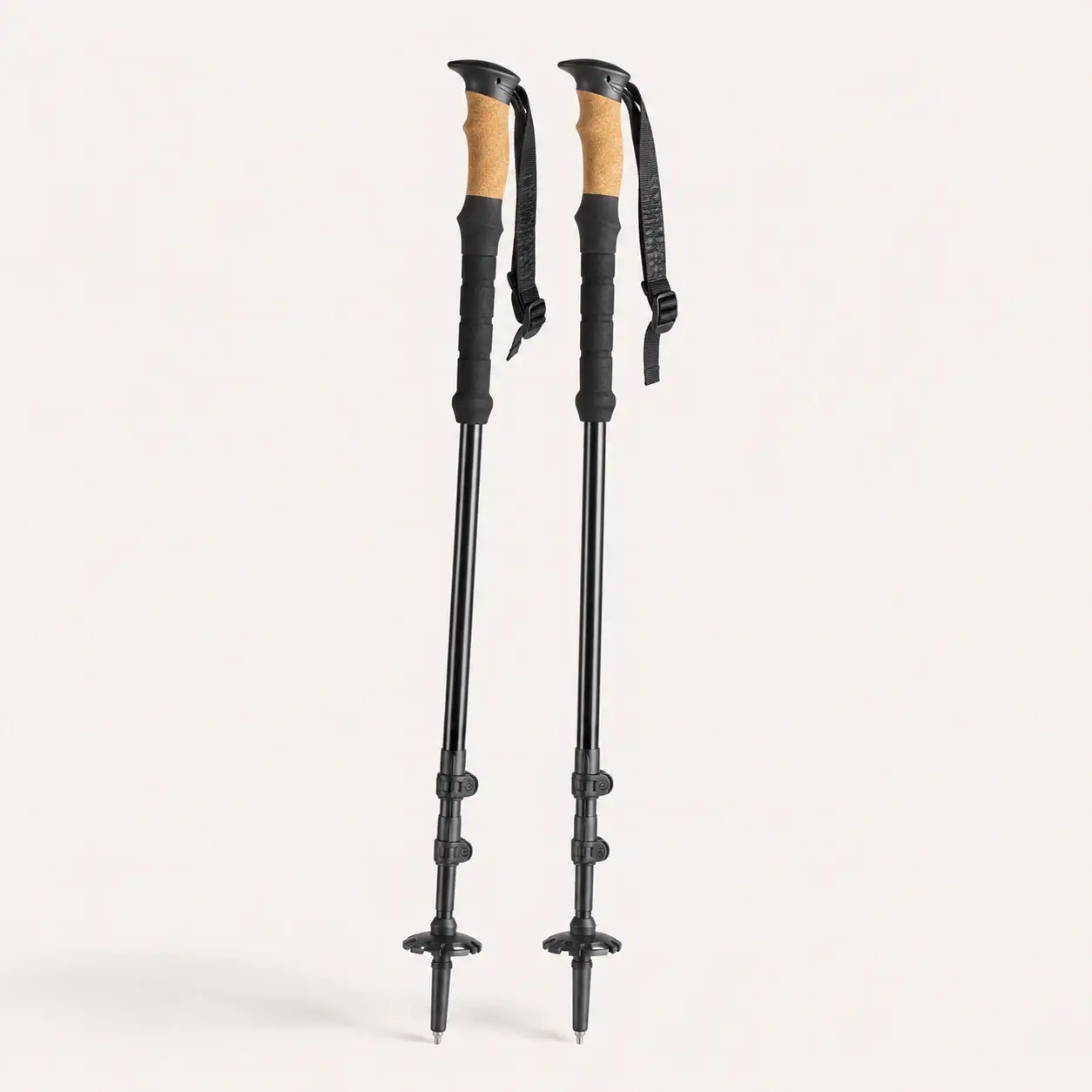
Trekking poles, a camera, binoculars, and personal snacks may also be useful. Check which technical equipment is provided in your package so you can avoid carrying unnecessary items.

If you have additional time, consider exploring these destinations around the Sankri region and along the approach to Kedarkantha.

Sankri Village

Sankri is the main base village for the trek. Its traditional houses, forested surroundings, and mountain views make it a worthwhile place to explore before or after your adventure.

Juda Ka Talab

This scenic alpine lake is a major highlight along the trail. Its appearance changes with the seasons, from forest-framed water to a potentially frozen winter landscape.

Har Ki Dun Valley

Har Ki Dun is known for its traditional villages, green meadows, forest trails, and mountain views. It is another popular trekking destination in the region, although it requires a separate itinerary.

Osla Village

Located along the Har Ki Dun route, Osla is known for its traditional Himalayan architecture and local cultural heritage.

Mori

Mori lies along the Tons River and is a scenic stop on the drive towards Sankri. The surrounding forests and river views add to the journey.

Mussoorie

Mussoorie offers viewpoints, Mall Road, Kempty Falls, and other popular attractions. Depending on your transport schedule, it can be included in a separate visit before or after trekking.

Kedarkantha Trek FAQs

Everything you need to know before planning your Kedarkantha Trek, from the best time to visit and trek difficulty to the route, cost, and essential tips.

The standard itinerary described here takes five days, including travel from Dehradun to Sankri and back. Actual duration can vary by operator and trail conditions.

Yes, it is a popular choice for beginners with reasonable fitness. However, the summit climb, altitude, cold weather, and snow can make certain sections challenging.

December to February is popular for winter scenery and the possibility of snow. March and April may offer a mix of snow and clearer trails, while autumn is known for clear mountain views.

The commonly advertised trekking distance is approximately 20 km, but the exact distance depends on the itinerary, campsites, and route followed.

The summit stands at approximately 3,810 metres (12,500 feet) above sea level.

The price varies by operator, season, transportation, group size, and included services. Request a detailed quote and confirm all inclusions before booking.

December is a popular month for winter trekking, but snowfall is not guaranteed. Check current weather and snow conditions before departure.

Winter nights at higher campsites can fall below 0°C, sometimes considerably. Daytime temperatures vary with sunshine, wind, altitude, and the month. Pack suitable winter clothing.

If you're wondering where is Kedarkantha Trek, it is in the Uttarkashi district of Uttarakhand, in the Garhwal Himalayas. Sankri is the usual base village.

The commonly used route travels from Dehradun to Sankri, followed by trekking via Juda Ka Talab and Kedarkantha Base Camp to the summit. The descent and overnight stops depend on the chosen itinerary.

Travel to the designated pickup point in Dehradun and continue by road to Sankri. Confirm transport timings and whether the transfer is included in your package.

Travel from Delhi to Dehradun by train, bus, or flight connections, then join the scheduled transfer to Sankri. Allow enough time for delays and confirm the pickup schedule.

Packages may include accommodation, meals during the trek, camping equipment, permits, trek leaders, and local guides. Exact inclusions differ, so review the written package details.

Stories From The Trail

Hear from trekkers who have experienced the Himalayan trails with The Mountain Hike.

Trek Gear Rental

Rent Trekking Gear & Equipment

Travel light and rent essential trekking gear for your adventure. Check the available equipment and choose what you need for your trek.

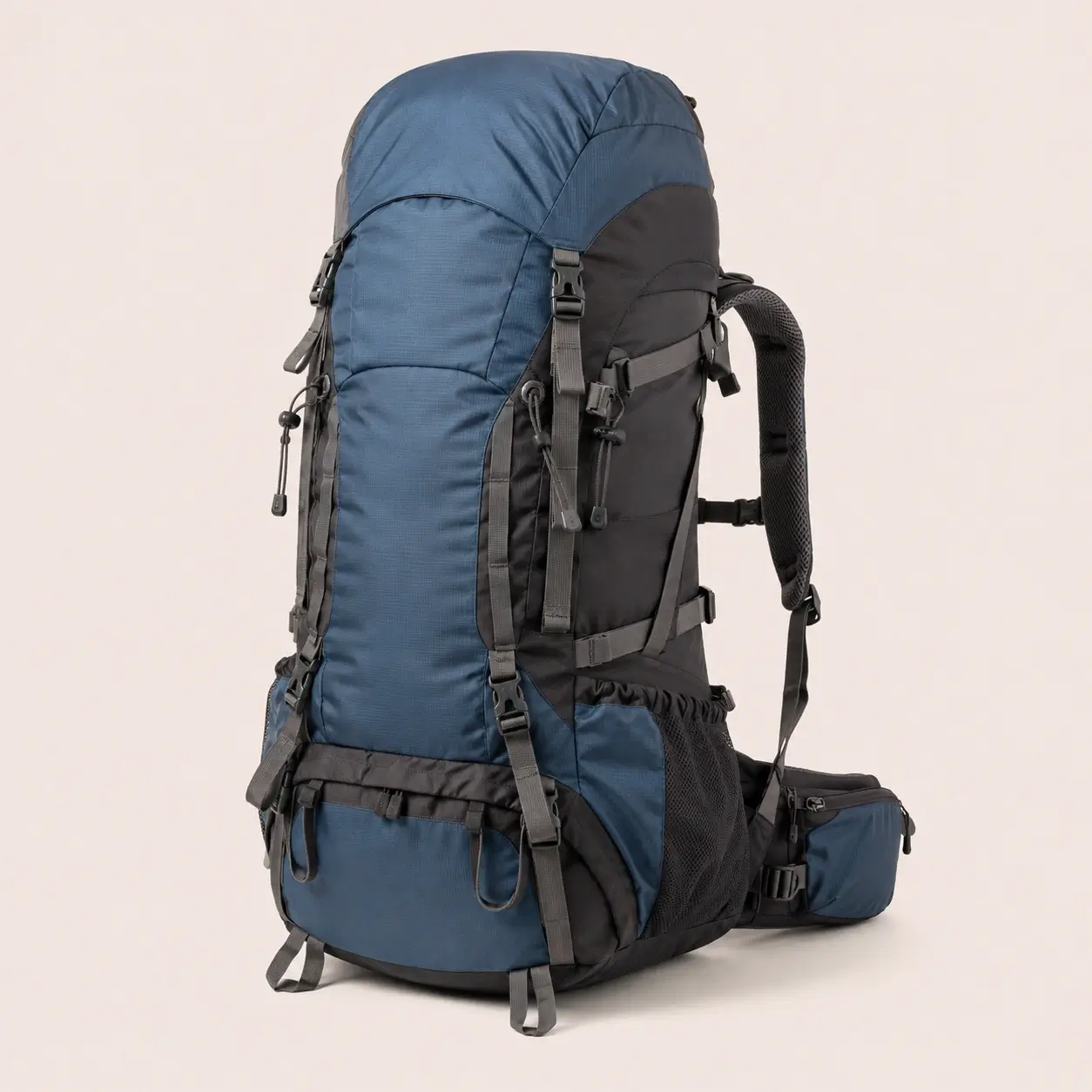
Rucksack available for rent

Rucksack

900
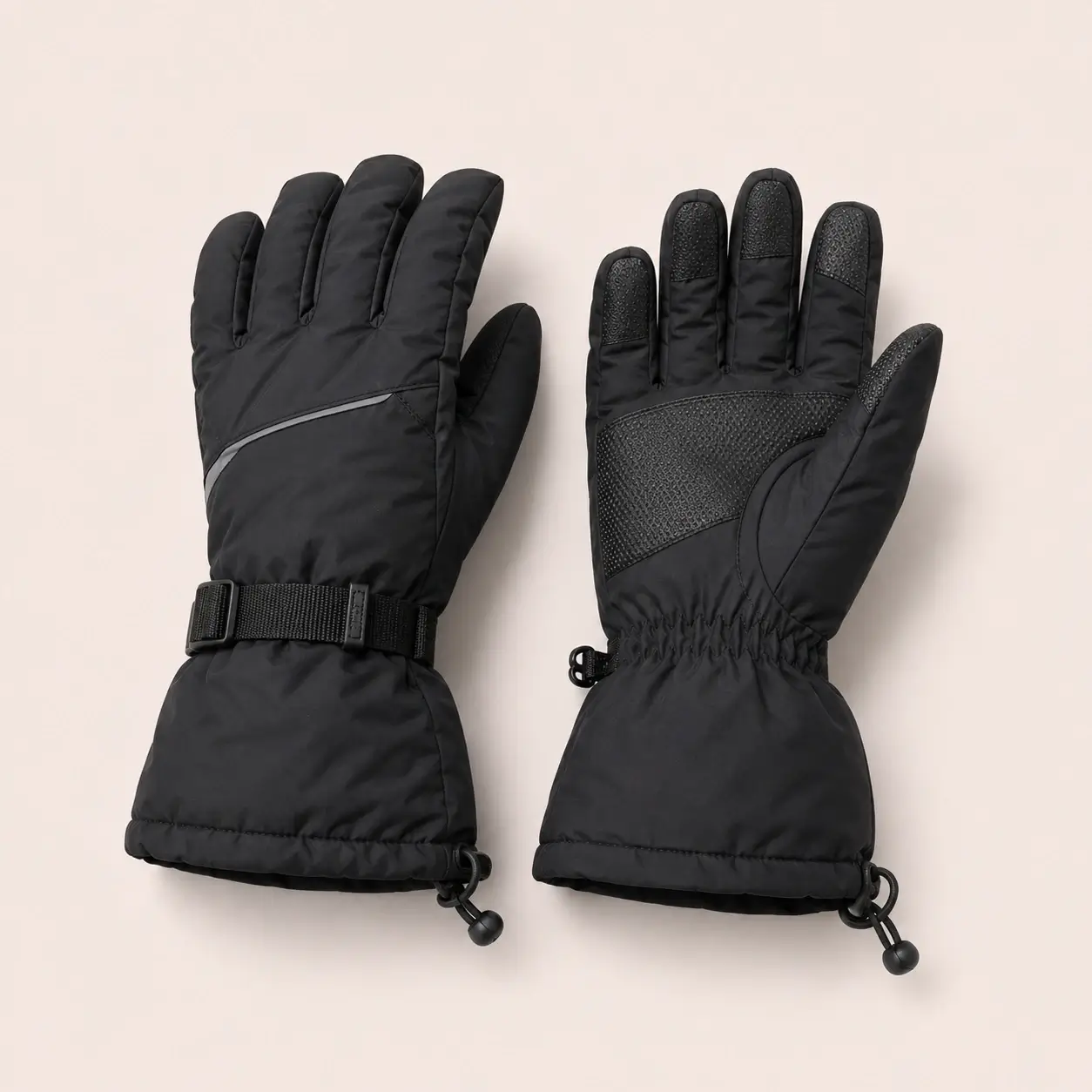
Gloves available for rent

Gloves

250
Cap available for rent

Cap

200
Power Bank available for rent

Power Bank

300
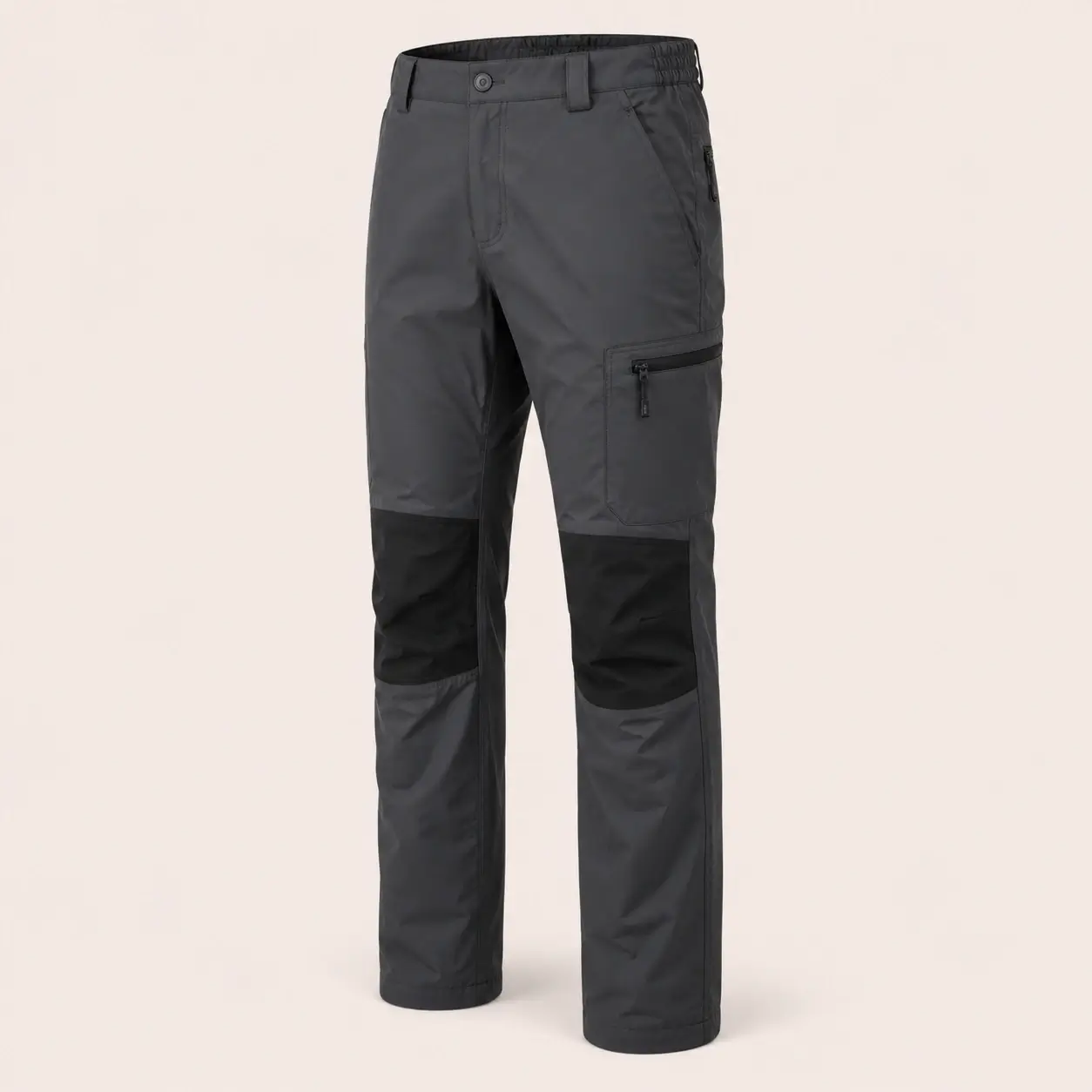
Trekking Pants available for rent

Trekking Pants

800
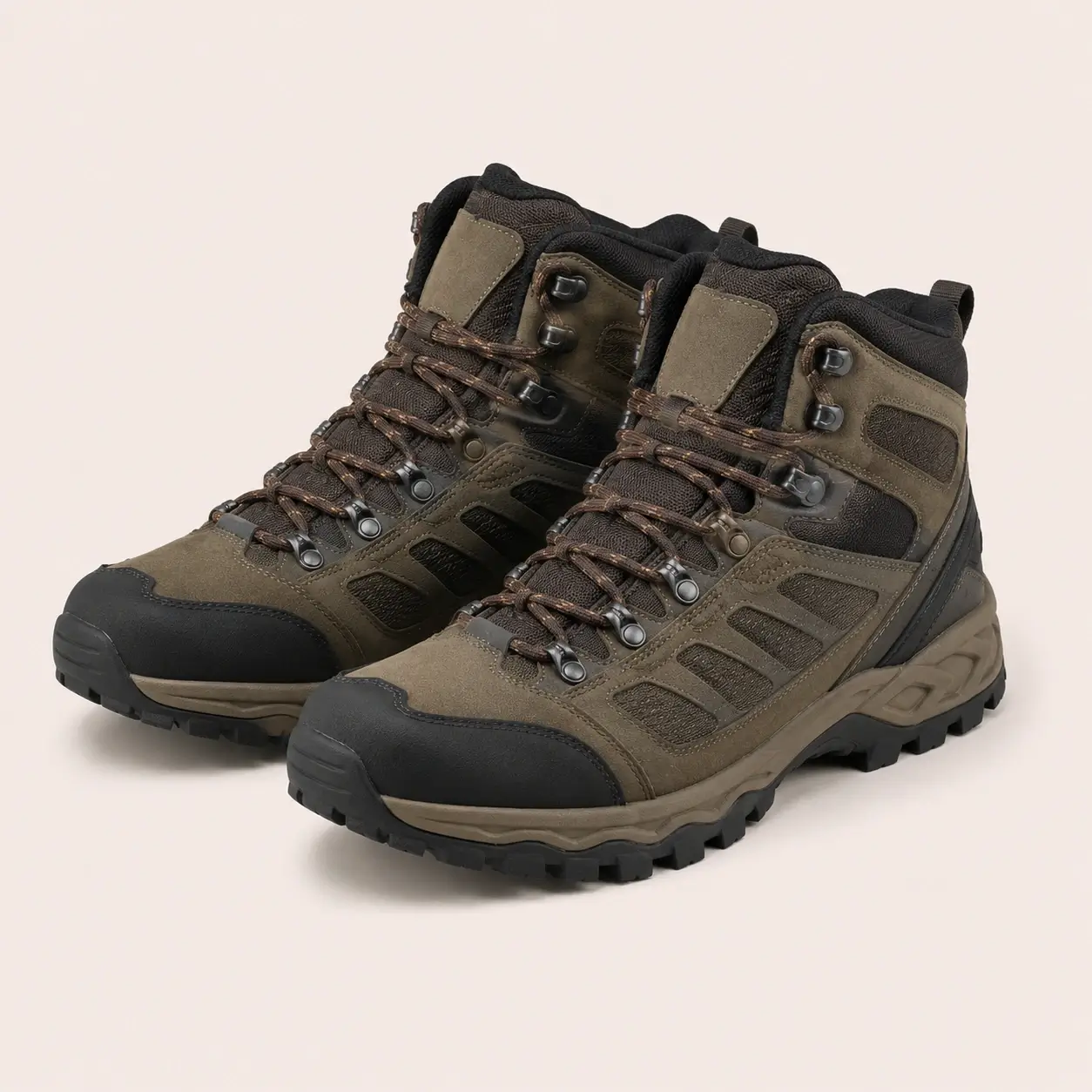
Trekking Shoes available for rent

Trekking Shoes

800
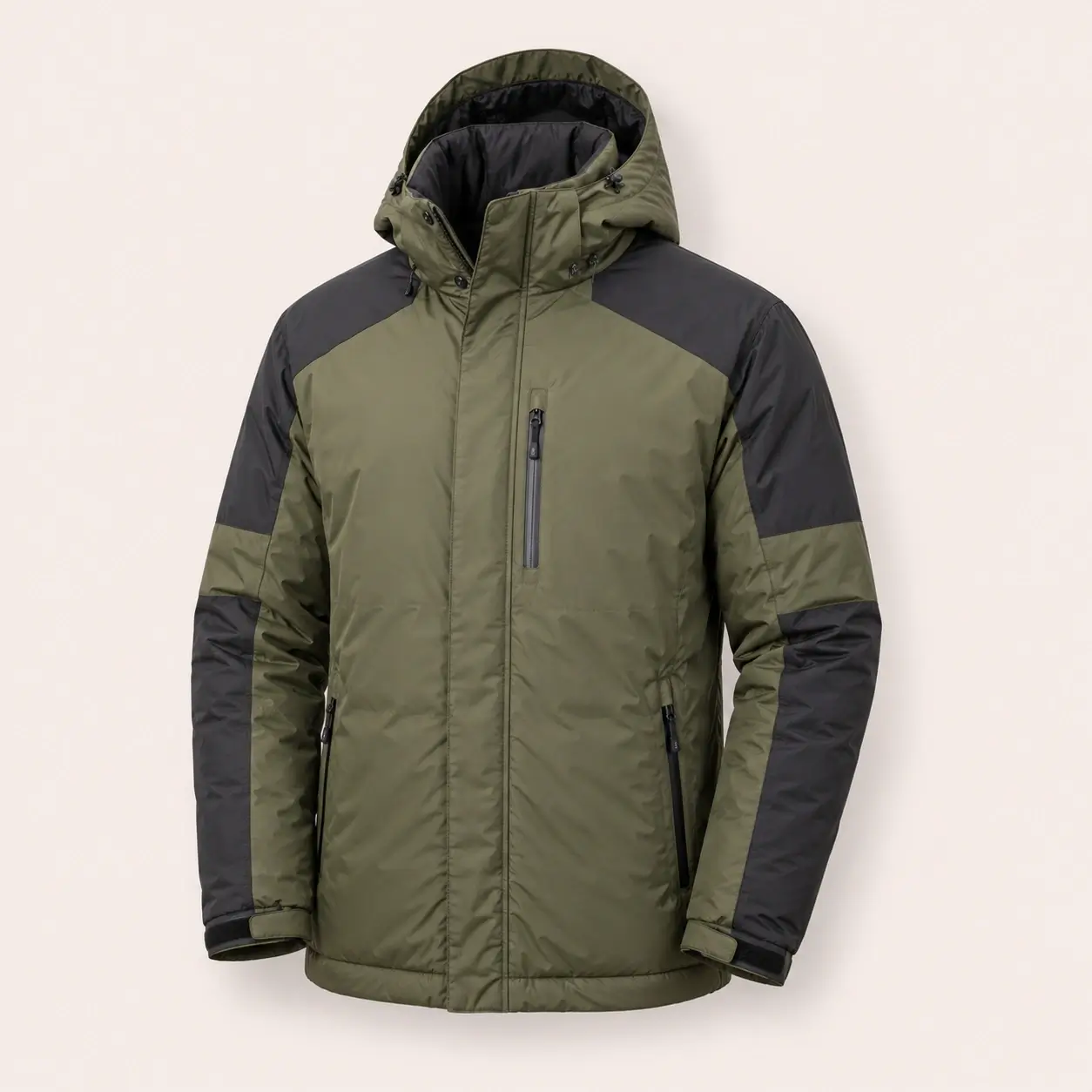
Jackets available for rent

Jackets

1000
Head Lamps available for rent

Head Lamps

250
Lunch Box available for rent

Lunch Box

250
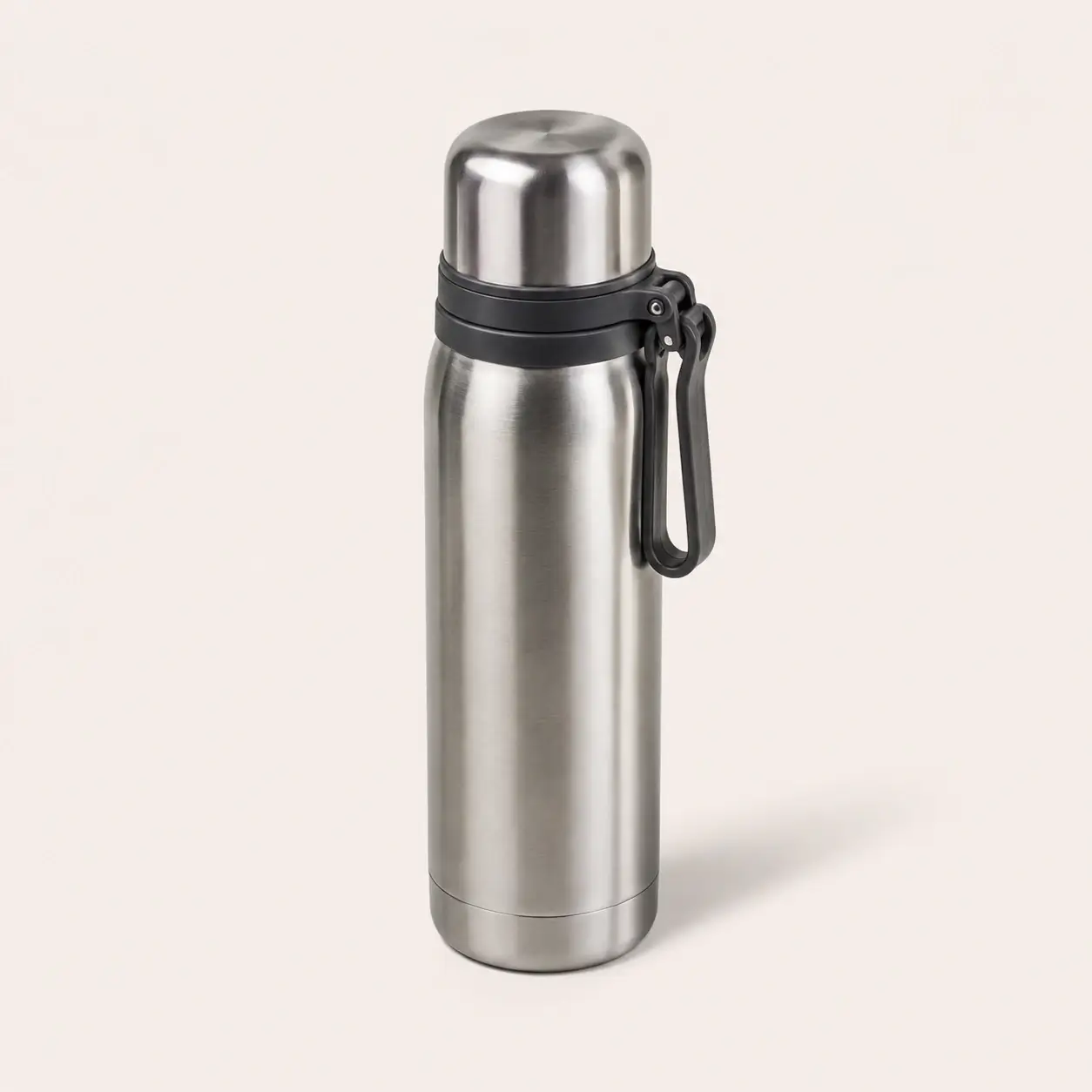
Flasks available for rent

Flasks

300
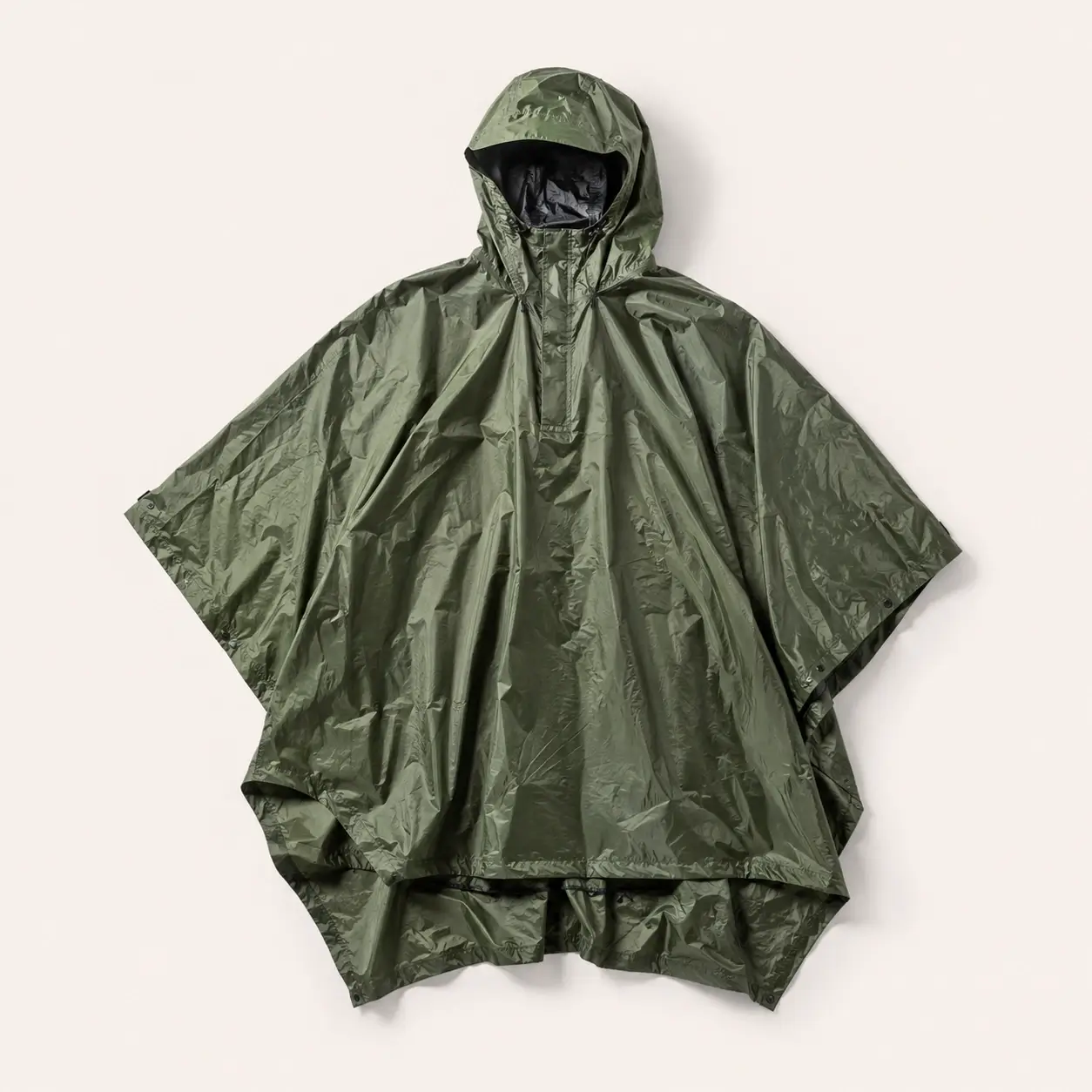
Rain Ponchos available for rent

Rain Ponchos

250
Trekking Poles available for rent

Trekking Poles

250