
Call Us WhatsApp
Bali Pass Trek

Himalayan Trekking Adventure

Bali Pass Trek

The High-Altitude Himalayan Crossing

Sankri, Uttarakhand
Duration
8 Days / 7 Nights
Maximum Altitude
16,207 ft
Trek Distance
60 km
Difficulty
Difficult
Best Season
May to Jun & Sep to Oct
Starting Point
Dehradun
Base Camp
Sankri Village
Accommodation
Guesthouse, Homestay & Alpine Camps

Trek Overview

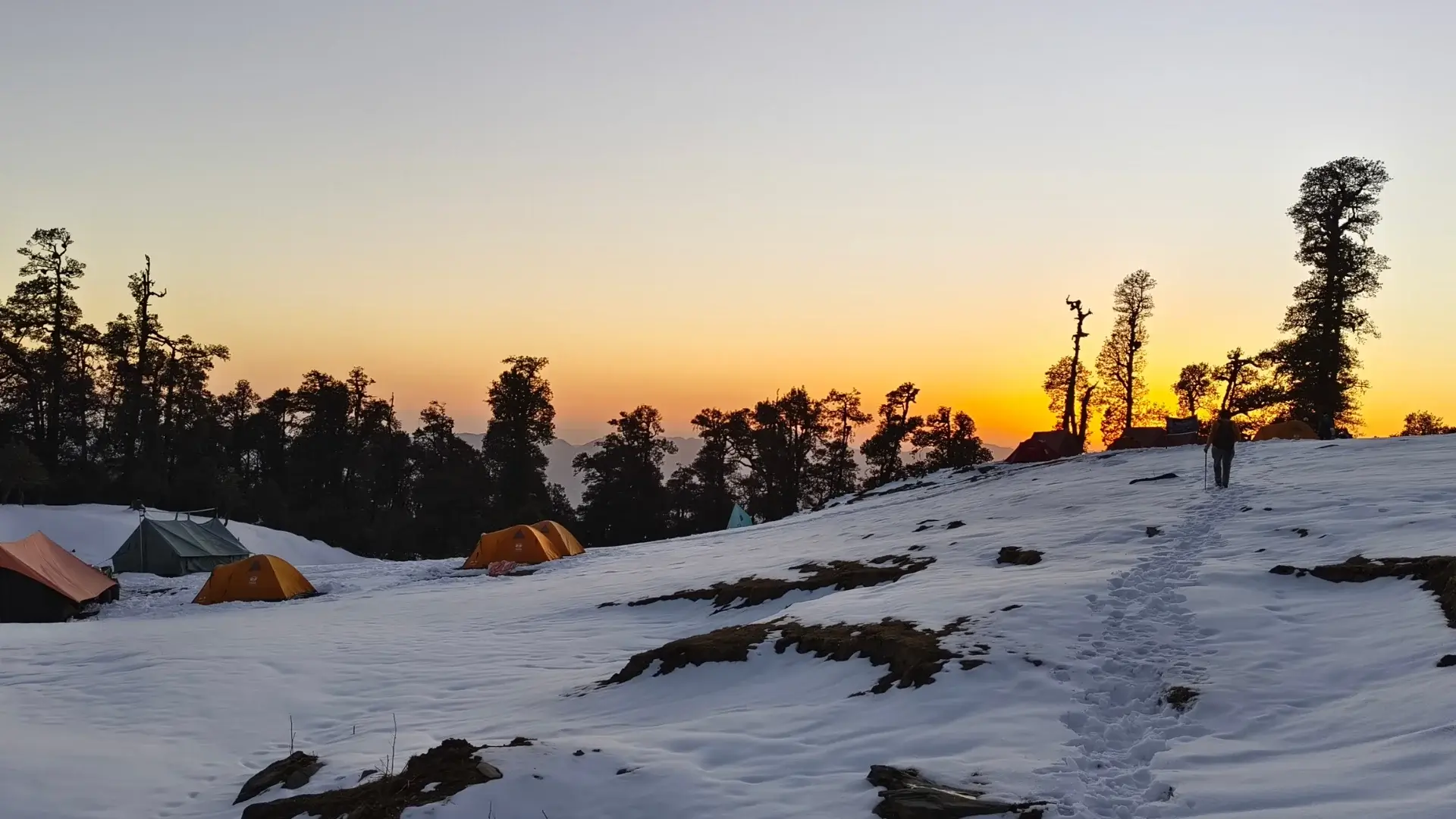
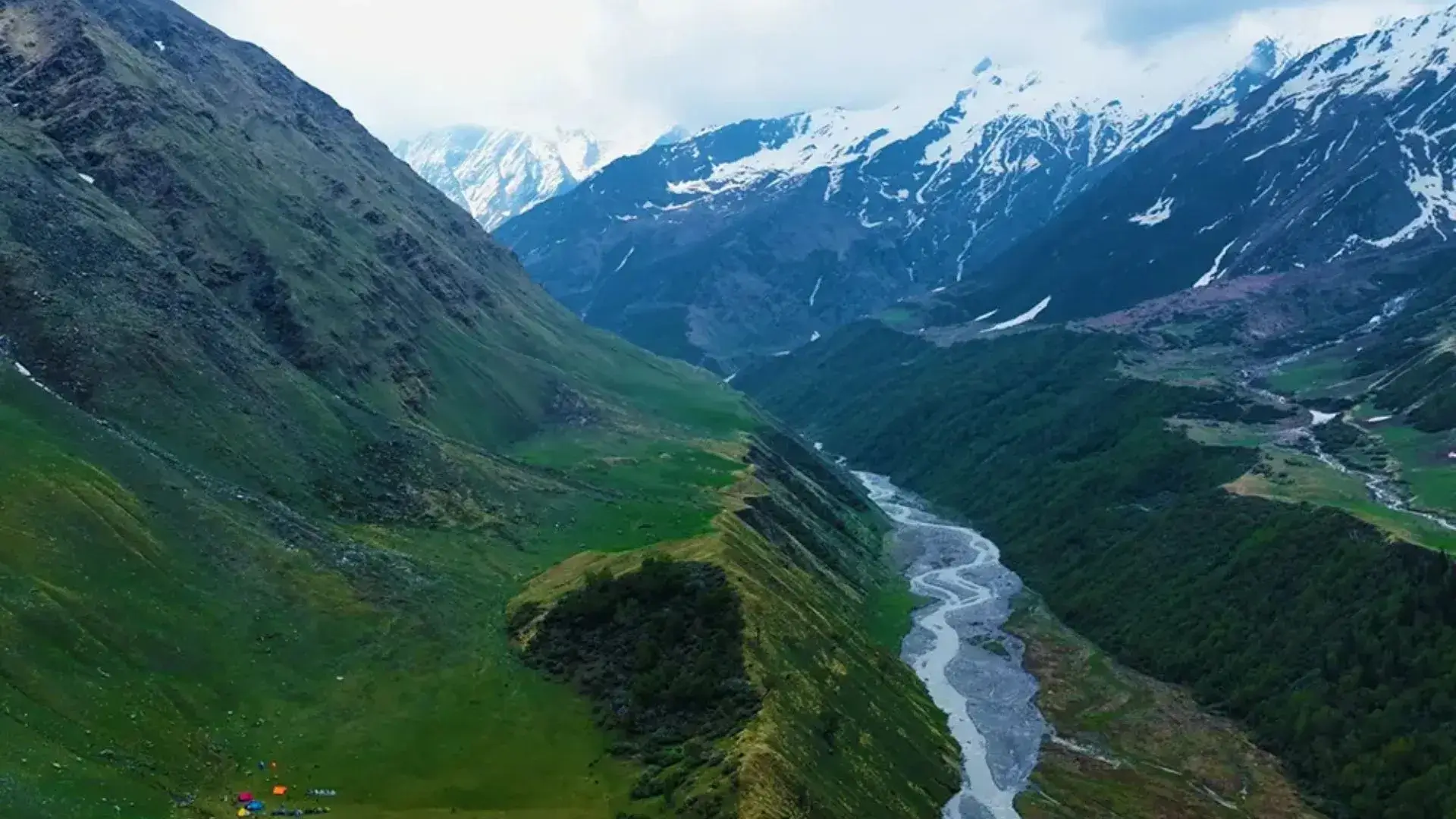
The Bali Pass Trek is a challenging high-altitude adventure in Uttarakhand, connecting the beautiful Ruinsara and Har Ki Dun valleys with the sacred Yamunotri region. Located in the Garhwal Himalayas, this crossover trek takes you through dense forests, traditional mountain villages, alpine meadows, glacial streams, pristine lakes, and snow-covered mountain passes.

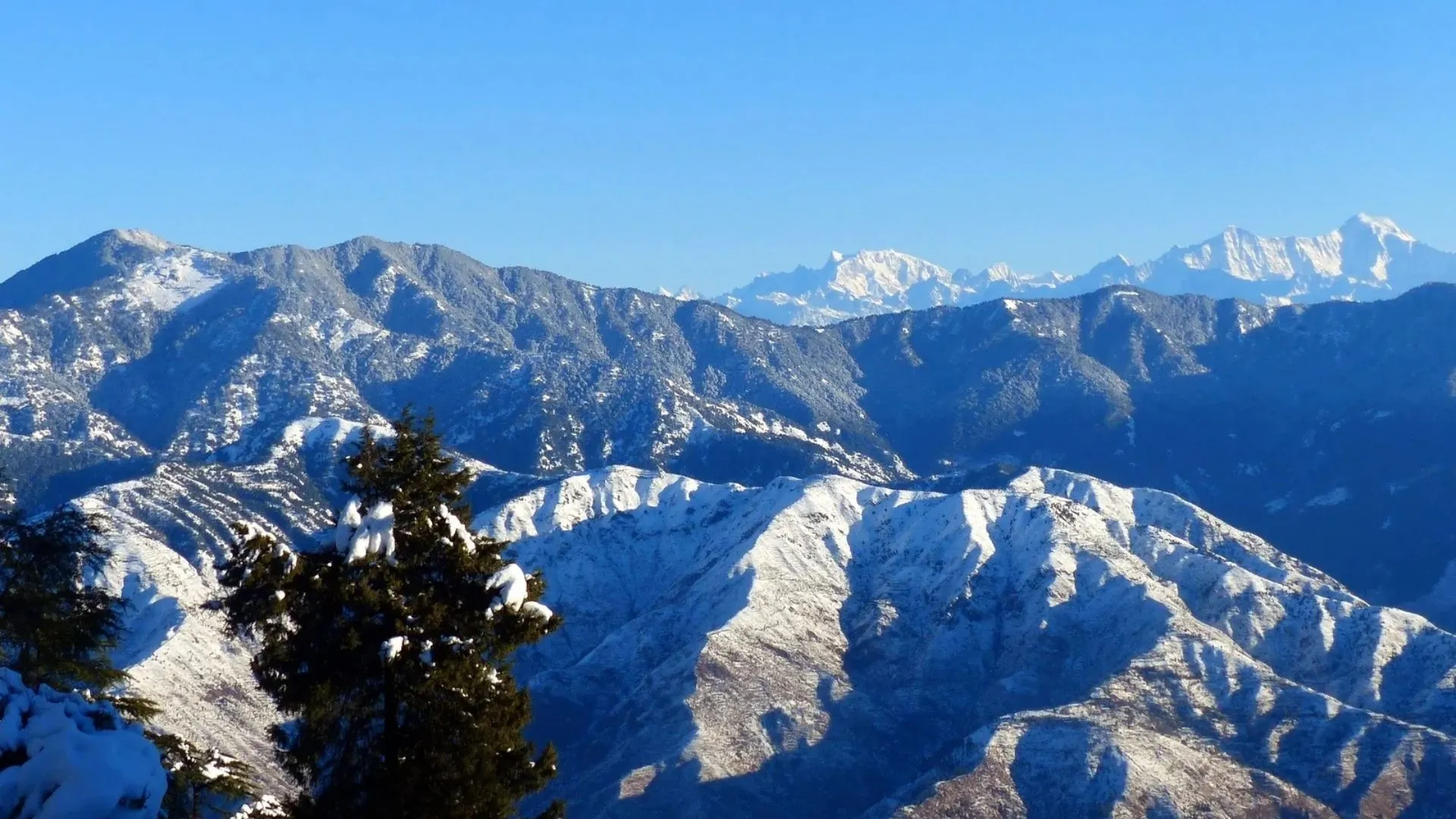
The Bali Pass altitude is approximately 16,207 ft (4,940 m), offering spectacular views of Swargarohini, Bandarpoonch, and Kalanag (Black Peak). The trail begins from Sankri and passes through scenic locations such as Osla Village, Ghangad, Debshu Bugyal, and Ruinsara Tal before reaching the challenging mountain pass.

One of the biggest highlights is Ruinsara Tal, a peaceful alpine lake surrounded by green meadows and snow-covered peaks. The summit crossing involves steep snow slopes, rocky ridges, and technical sections, making this trek suitable for experienced trekkers rather than absolute beginners.

At The Mountain Hike, we organize the Bali Pass Trek with experienced trek leaders, local guides, camping equipment, nutritious meals, and essential safety support to provide a well-planned Himalayan adventure.

The Bali Pass Trek in Uttarakhand is a challenging Himalayan adventure that connects the scenic Ruinsara and Har Ki Dun valleys with the sacred Yamunotri region, offering breathtaking mountain views, alpine lakes, and rugged high-altitude trails.

Why Choose This Trek?

The Bali Pass Trek offers a unique combination of adventure, natural beauty, and cultural experiences. Unlike many easier Himalayan trails, this route involves demanding climbs, narrow ridgelines, rocky moraines, and snow-covered slopes.

The journey through Osla and Ghangad introduces trekkers to traditional Himalayan architecture and local customs. Camping near Ruinsara Tal provides an opportunity to enjoy the peaceful surroundings, while the summit rewards experienced trekkers with impressive views of the Garhwal Himalayas.

This trek is particularly suitable for those who have completed moderate or difficult Himalayan treks and want to challenge themselves with a more demanding expedition.

Everything You Need To Know

The Bali Pass Trek route starts from Dehradun, continues to Sankri, and follows the Har Ki Dun and Ruinsara valleys before crossing Bali Pass towards Janki Chatti.

The Bali Pass Trek itinerary covers 8 days and 7 nights, taking trekkers from Dehradun to Sankri, through the scenic Ruinsara Valley, and across Bali Pass before descending to Janki Chatti. The journey combines beautiful campsites, challenging mountain trails, and breathtaking Himalayan views.

Day 1

Dehradun → Sankri

Scenic drive via Mussoorie, Purola, and Mori to reach the base village of Sankri.

Day 2

Sankri → Seema via Taluka

Drive to Taluka and trek through forests and mountain trails alongside the Supin River.

Day 3

Seema → Rainbasera

Trek through scenic valleys, forest paths, and beautiful Himalayan landscapes.

Day 4

Rainbasera → Ruinsara Tal

Walk through alpine terrain to reach the peaceful lake surrounded by mountain scenery.

Day 5

Ruinsara Tal → Odari

Continue along rugged trails toward Odari, preparing for the high-altitude section ahead.

Day 6

Odari → Bali Col Camp

Climb through steep mountain terrain to reach the high-altitude camp below Bali Pass.

Day 7

Bali Col Camp → Bali Pass → Lower Dhamni

Cross Bali Pass amid dramatic Himalayan views before descending toward Lower Dhamni.

Day 8

Lower Dhamni → Janki Chatti → Dehradun

Descend to Janki Chatti and drive back to Dehradun, completing the challenging Himalayan trek.

Dehradun to Sankri

200 km 8–9 hours Guesthouse in Sankri

Begin your journey with a scenic drive through Mussoorie, Purola, and Mori. The route passes pine forests, terraced fields, mountain villages, and the Tons River. Reach Sankri, the base village for the trek, and attend a briefing with your trek leader before preparing for the journey ahead.


Sankri to Seema via Taluka

12 km 1 hour Camping at Seema

Drive to Taluka and begin trekking beside the Supin River. The trail passes through forests of pine, oak, and maple before reaching the traditional villages of Ghangad and Osla. Continue towards Seema, a peaceful campsite beside the river.


Seema to Rainbasera

10 km 5–6 hours Camping at Rainbasera

Follow the Supin River through forested and rocky terrain towards Debshu Bugyal. This beautiful alpine meadow offers views of Kalanag (Black Peak) and the surrounding mountains. After crossing a stream and climbing a rocky section, reach Rainbasera for an overnight camp.


Rainbasera to Ruinsara Tal

7 km 4–5 hours Camping near Ruinsara Tal

Continue through alpine meadows, rocky trails, and glacial streams to reach Ruinsara Tal. The lake is surrounded by green meadows and towering peaks, including Bandarpoonch, Kalanag, Dhumdhar Kandi, and White Peak. Enjoy the peaceful surroundings and, when time and conditions permit, explore the nearby area and small temple dedicated to Goddess Yamuna.


Ruinsara Tal to Odari

6 km 4–5 hours Camping at Odari

Leave the lake behind and move towards increasingly rugged terrain. Enjoy views of Bandarpoonch and the surrounding snow-covered slopes before reaching Odari, known for a natural rock cave associated with local folklore.

After arrival, your trek leader from The Mountain Hike will conduct a safety briefing and basic mountaineering session to help prepare you for the challenging pass crossing.


Odari to Bali Col Camp

5 km 4–5 hours Camping at Bali Col Camp

Climb through rocky ridges, loose scree, and narrow mountain slopes towards Bali Col Camp. The terrain becomes increasingly rugged as vegetation disappears at higher elevations. Follow your guide's instructions, maintain a steady pace, and drink enough water. Temperatures may fall below freezing at night, so proper insulation is essential.


Bali Col Camp to Lower Dhamni via Bali Pass

10 km 7–8 hours Camping at Lower Dhamni

This is the most demanding day of the trek. Start early and climb steep snowfields and rocky slopes towards Bali Pass. The summit stands at approximately 16,207 ft and offers panoramic views of Swargarohini, Bandarpoonch, Kalanag, and Dhumdhar Kandi.

After enjoying the mountain scenery, descend carefully towards the Yamunotri Valley. The steep slopes, snow, and loose rocks require concentration and guidance from experienced trek leaders. Continue through alpine meadows and forests to reach Lower Dhamni for the final night of camping.


Lower Dhamni to Janki Chatti and Dehradun

8 km 4–5 hours Approximately 170 km | 7–8 hours

Descend through forested trails towards Janki Chatti, connecting with the Yamunotri pilgrimage region. Depending on the schedule and conditions, a visit to Yamunotri Temple may be possible. From Janki Chatti, drive back to Dehradun, concluding the expedition.


The Bali Pass Trek offers a remarkable journey through dense forests, traditional Himalayan villages, alpine meadows, and snow-covered mountain trails. Starting from Sankri, the route passes through Osla, Ghangad, and the beautiful Ruinsara Valley, where trekkers can enjoy the peaceful surroundings of Ruinsara Tal.

As the trail climbs higher, rocky ridges, snowfields, and breathtaking views of Swargarohini, Bandarpoonch, and Kalanag create an unforgettable high-altitude adventure. Crossing Bali Pass and descending towards Janki Chatti makes this challenging Himalayan trek especially rewarding.

The Mountain Hike provides experienced trek leaders, local guides, and organized camping support for a safe and memorable Bali Pass Trek experience.

Physical Preparation

Start training six to eight weeks before departure. Combine cardiovascular exercise with leg and core strength training. Practise long walks and stair climbing while carrying a daypack.

Packing Essentials

Carry layered clothing, waterproof trekking shoes, thermal wear, a down jacket, gloves, woollen socks, sunglasses, sunscreen, trekking poles, a headlamp, water bottles, and personal medicines. A comfortable backpack with a rain cover is recommended.

Acclimatization and Safety

Walk slowly, stay hydrated, eat regular meals, and follow your trek leader’s instructions. Recognize the warning signs of altitude sickness and report symptoms immediately. Never continue towards higher elevations when feeling unwell.

Bali Pass Trek Cost and Package

The Bali Pass Trek cost depends on the trekking dates, group size, services, and package inclusions. Before booking, confirm the current price, transport arrangements, accommodation, meals, equipment, permits, and exclusions with The Mountain Hike.

Our Bali Pass Trek package is designed to provide organized camping, experienced trek leaders, local guides, nutritious meals, and essential safety support. Contact The Mountain Hike for current availability and pricing.

The Mountain Hike combines local knowledge, experienced trek leaders, and organized support for a responsible Himalayan adventure.

  • Experienced trek leaders: Guidance throughout the challenging route.
  • Local expertise: Knowledge of trails, camping locations, and changing mountain conditions.
  • Safety support: First-aid kits, oxygen cylinders, stretchers, communication equipment, and regular health monitoring.
  • Comfortable camping: Tents, sleeping bags, insulated mattresses, and freshly prepared meals.
  • Small groups: More personal attention during the expedition.
  • Responsible trekking: Leave No Trace practices and efforts to reduce plastic waste.

Our goal is to help trekkers experience the Garhwal Himalayas with careful planning, appropriate preparation, and respect for the mountain environment.

The Bali Pass Trek package by The Mountain Hike includes accommodation, meals, camping equipment, permits, experienced trek leaders, local guides, and essential safety support. Exclusions include personal expenses, travel insurance, road-trip meals, personal porter charges, and services not specifically listed in the package.

Inclusions

  • Guesthouse, homestay, and alpine camping accommodation.
  • Nutritious vegetarian meals with eggs during the trek.
  • Tents, sleeping bags, mattresses, kitchen and dining tents, and camping equipment.
  • Crampons or microspikes when required.
  • Forest permits, camping permissions, and entry fees.
  • Experienced trek leaders, local guides, and support staff.
  • First-aid kits, oxygen cylinders, and emergency medical support.
  • Safety briefings and high-altitude assistance.

Exclusions

  • Personal expenses.
  • Meals during road travel.
  • Travel insurance.
  • Personal porter or mule charges.
  • Personal trekking gear and clothing.
  • Transportation or services not specifically listed as inclusions.
  • Additional expenses caused by weather delays, roadblocks, landslides, or unforeseen circumstances.

The highest point is approximately 16,207 ft (4,940 m) above sea level. The climb to the pass involves steep slopes, narrow ridges, snowfields, and challenging descents.

The trek is rated difficult and is recommended for trekkers with previous experience on moderate or high-altitude Himalayan trails. Absolute beginners should choose an easier trek before attempting this expedition.

Prepare for at least six to eight weeks through brisk walking, running, cycling, stair climbing, and leg and core strength exercises. Proper acclimatization, hydration, and a steady pace are essential.

The Bali Pass Trek difficulty level is considered difficult because of steep ascents, high altitude, rocky trails, and possible snow near the pass. Good physical fitness, proper acclimatization, and previous high-altitude trekking experience are recommended before attempting this challenging Himalayan adventure.

The Bali Pass Trek best time is generally May to June and September to October, when conditions are more suitable for this high-altitude route. Weather can change quickly, and the final decision to cross the pass should depend on actual trail conditions and the trek leader’s assessment.

May to June

Summer

Lower valleys become greener, while snow may remain on higher sections. Daytime conditions are often suitable for trekking, but nights at high camps can be extremely cold.

September to October

Autumn

The post-monsoon period can offer clearer skies, fresh landscapes, and excellent mountain visibility. Cold nights and changing weather remain important considerations.

Clothing

  • Thermal inner layers and full-sleeve trekking T-shirts
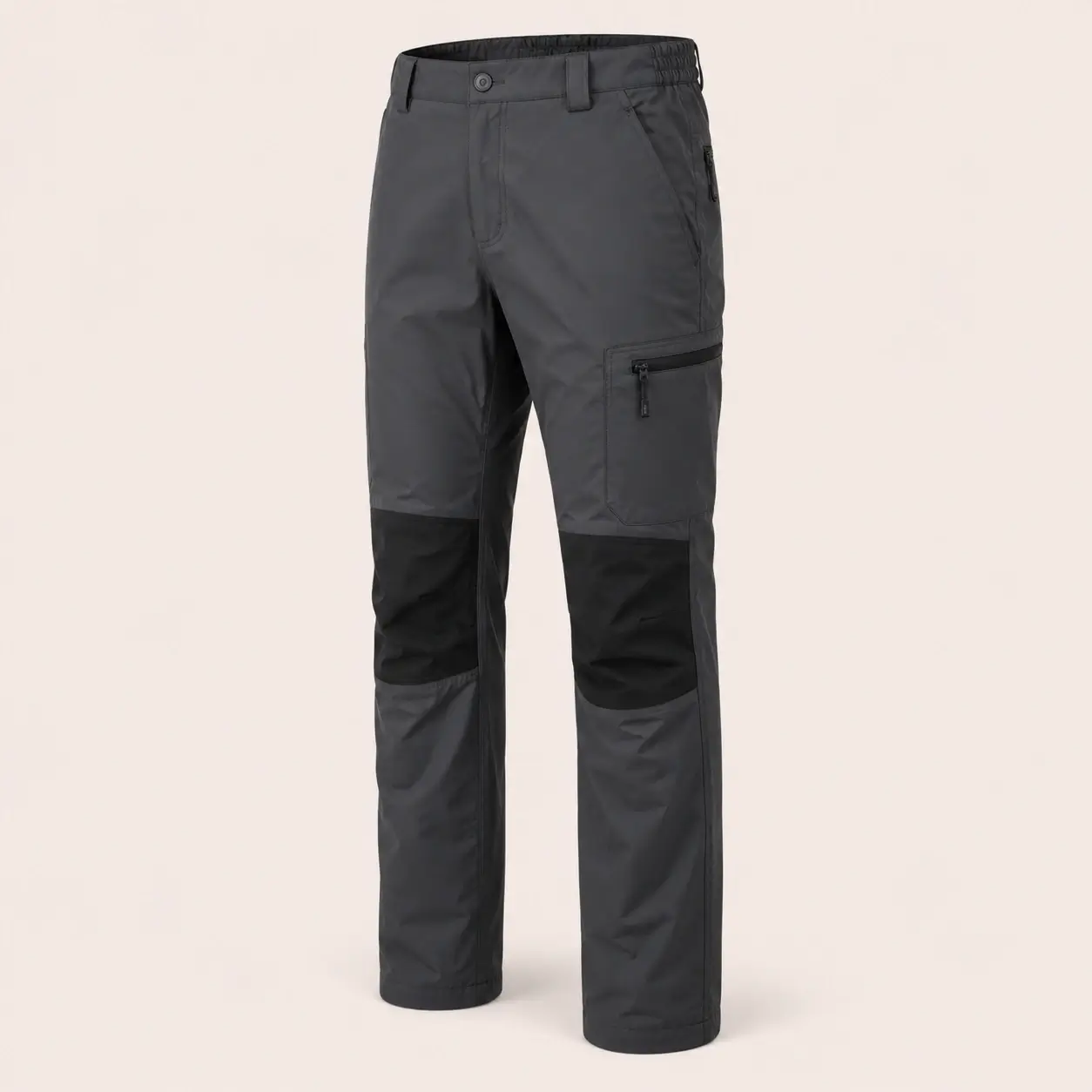
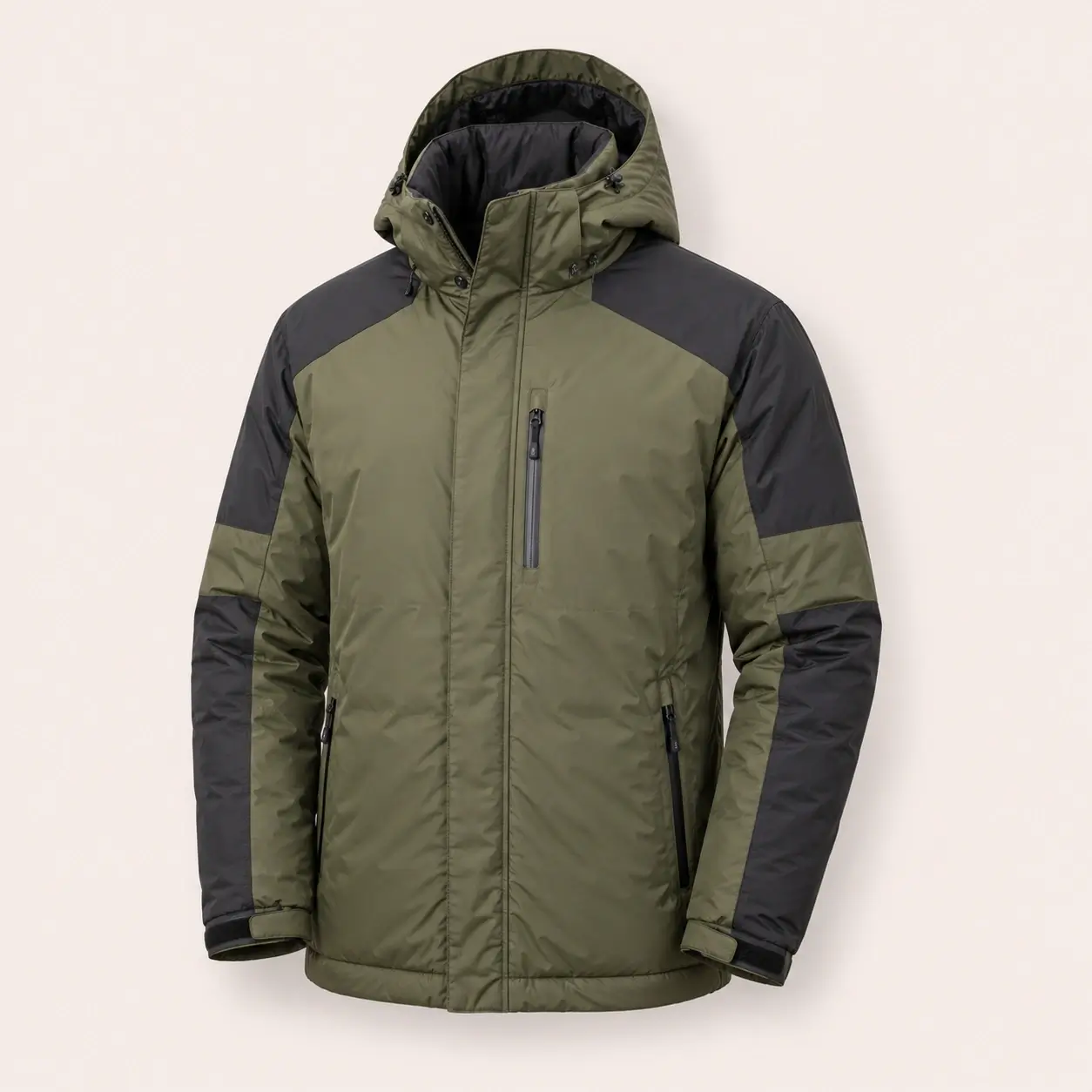
  • Trekking pants, fleece, and a heavy down jacket
  • Waterproof rain jacket and rain pants
  • Woollen cap, sun cap, waterproof and woollen gloves
  • Multiple pairs of trekking socks

Footwear and gear

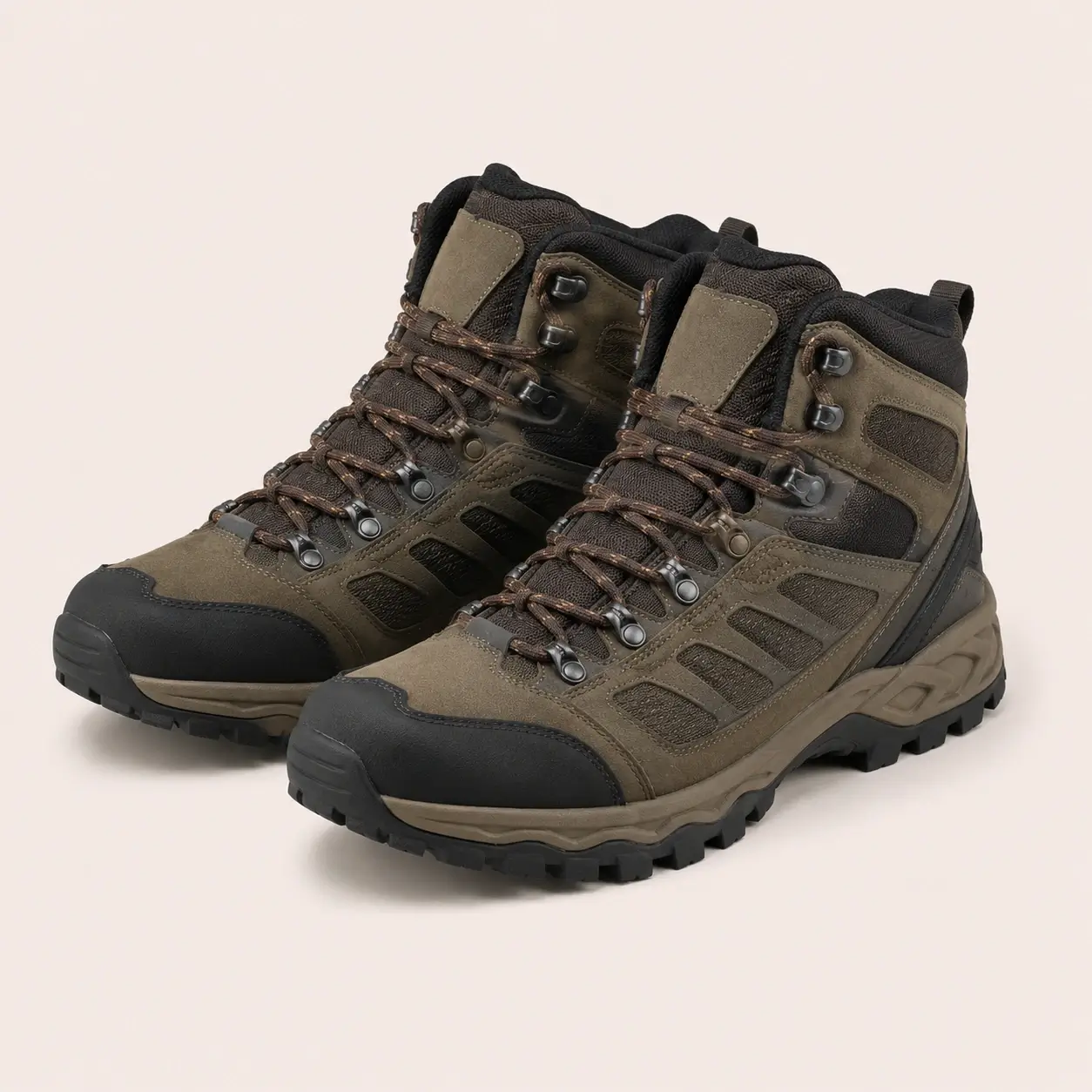
  • High-ankle waterproof trekking shoes and camp slippers
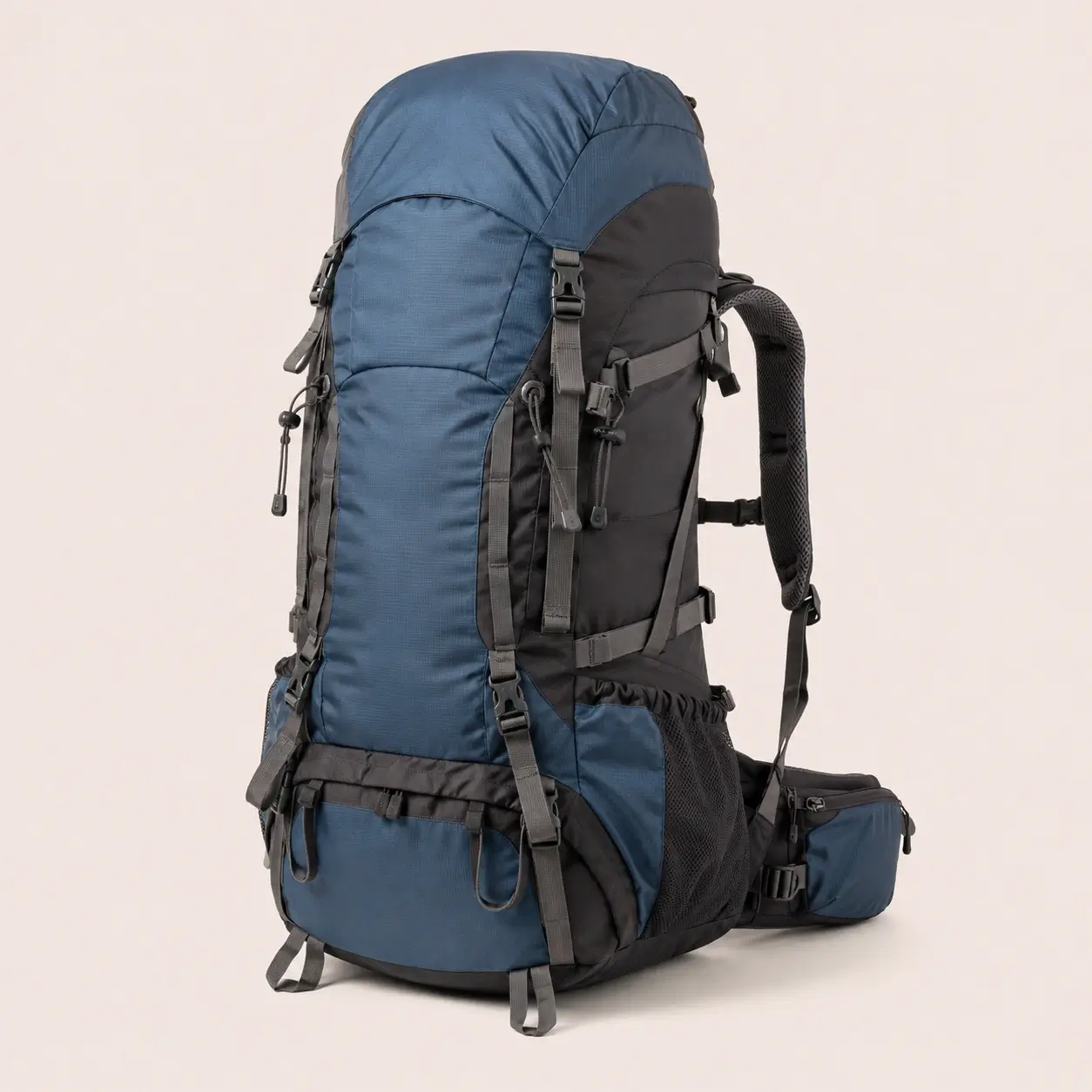
  • 50–60 litre backpack and daypack with rain cover
  • Trekking poles, headlamp, and spare batteries
  • Water bottles or hydration bladder
  • UV-protection sunglasses

Personal essentials

  • Sunscreen SPF 50+, lip balm, and moisturizer
  • Toothbrush, toothpaste, hand sanitizer, and wet wipes
  • Personal medicines and basic first-aid supplies
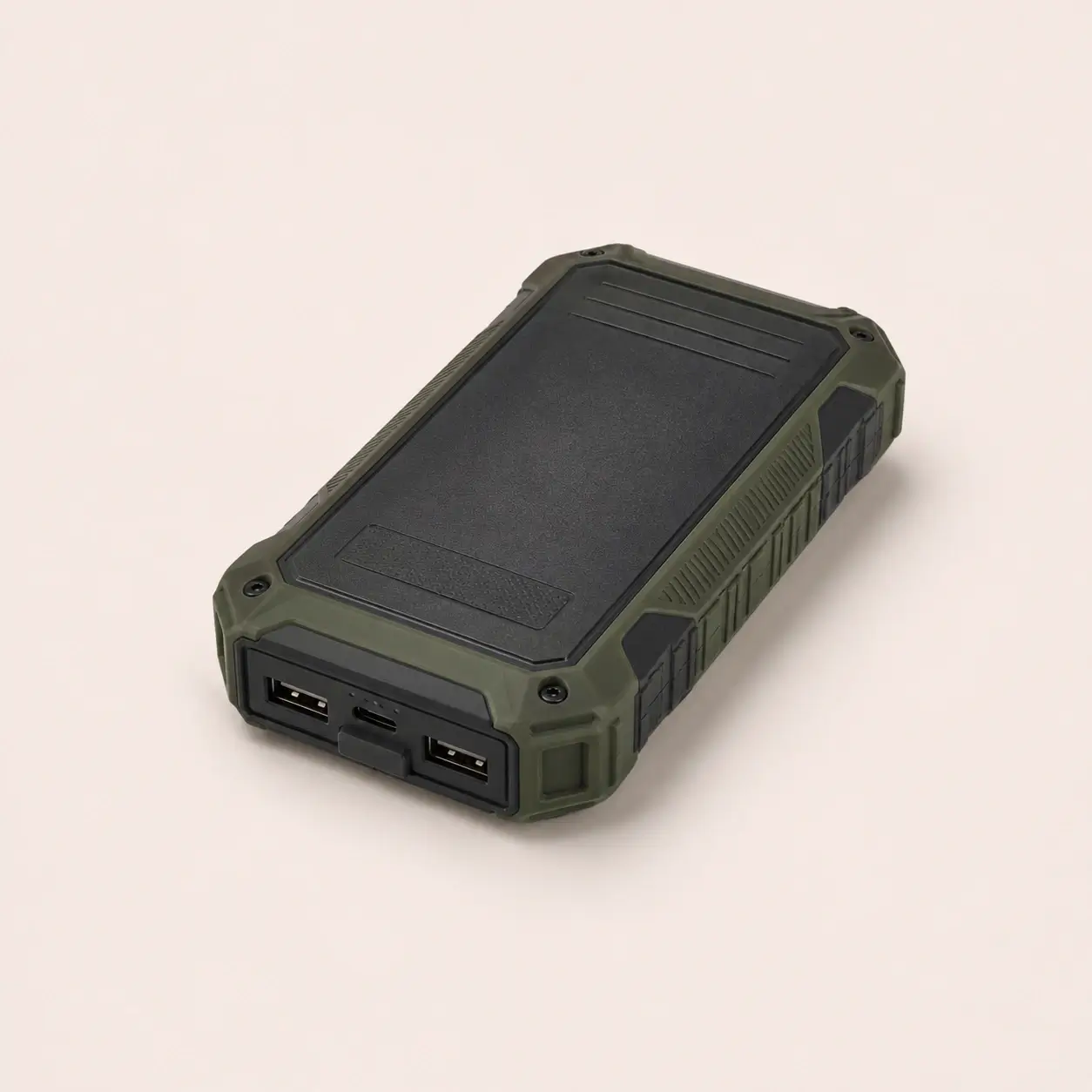
  • Power bank, camera, extra memory cards, and quick-dry towel
  • Energy bars, dry fruits, reusable lunch box, mug, and waterproof pouches

Explore beautiful places near the Bali Pass Trek, including Sankri Village, the scenic Har Ki Dun Valley, Ruinsara Tal, and the traditional Osla Village. You can also visit Yamunotri Temple and enjoy the natural beauty of Govind Wildlife Sanctuary for a memorable Himalayan experience.

Sankri Village

A scenic Himalayan village known for traditional wooden houses, mountain views, and its role as a base for popular treks.

Har Ki Dun Valley

A beautiful valley featuring alpine meadows, traditional settlements, and impressive Himalayan scenery.

Ruinsara Tal

A peaceful alpine lake surrounded by meadows and snow-covered peaks, ideal for nature lovers and photographers.

Osla Village

A traditional mountain village known for its wooden architecture, local lifestyle, and temple dedicated to Someshwar Devta.

Yamunotri Temple

A revered Char Dham pilgrimage site in the Yamunotri region, accessible depending on the trek schedule and local conditions.

Govind Wildlife Sanctuary

A protected Himalayan landscape known for its forests, alpine habitats, Himalayan Monal, musk deer, and other wildlife.

Bali Pass Trek FAQs

Everything you need to know before planning your Bali Pass Trek.

Bali Pass stands at approximately 16,207 ft (4,940 m) above sea level.

It is a difficult trek involving steep ascents, snowfields, rocky terrain, high altitude, and technical sections. Previous trekking experience is strongly recommended.

May to June and September to October are the main recommended periods, subject to weather and trail conditions.

The trek covers approximately 60 km over eight days, including the route from Sankri through the Ruinsara Valley to Janki Chatti.

The summit reaches approximately 16,207 ft (4,940 m).

The route generally follows Dehradun, Sankri, Taluka, Seema, Rainbasera, Ruinsara Tal, Odari, Bali Col Camp, Bali Pass, Lower Dhamni, and Janki Chatti.

The complete expedition usually takes eight days and seven nights, including travel from and back to Dehradun.

No. It is not recommended for absolute beginners. Experience on moderate or difficult Himalayan treks is advisable.

The cost varies according to the trekking dates, group size, and services included. Contact The Mountain Hike for the current package price and availability.

Typical inclusions include accommodation, trekking meals, camping equipment, permits, experienced trek leaders, local guides, and essential safety support. Confirm the final package details before booking.

Temperatures vary with season and elevation. High camps can fall below freezing at night, so warm and waterproof clothing is essential.

Weather can change rapidly, with cold winds, snowfall, and difficult trail conditions possible at high elevations. Check local forecasts before starting.

Yes. The trek reaches over 16,000 ft, making gradual acclimatization, hydration, health monitoring, and prompt reporting of symptoms essential.

Connectivity is generally available in Dehradun and may be available in parts of Sankri. Network coverage beyond Sankri is limited or unavailable in many areas.

The Mountain Hike provides experienced trek leaders, local guides, camping equipment, nutritious meals, and essential safety support for a carefully organized Himalayan adventure.

Stories From The Trail

Hear from trekkers who have experienced the Himalayan trails with The Mountain Hike.

Trek Gear Rental

Rent Trekking Gear & Equipment

Travel light and rent essential trekking gear for your adventure. Check the available equipment and choose what you need for your trek.

Rucksack available for rent

Rucksack

900
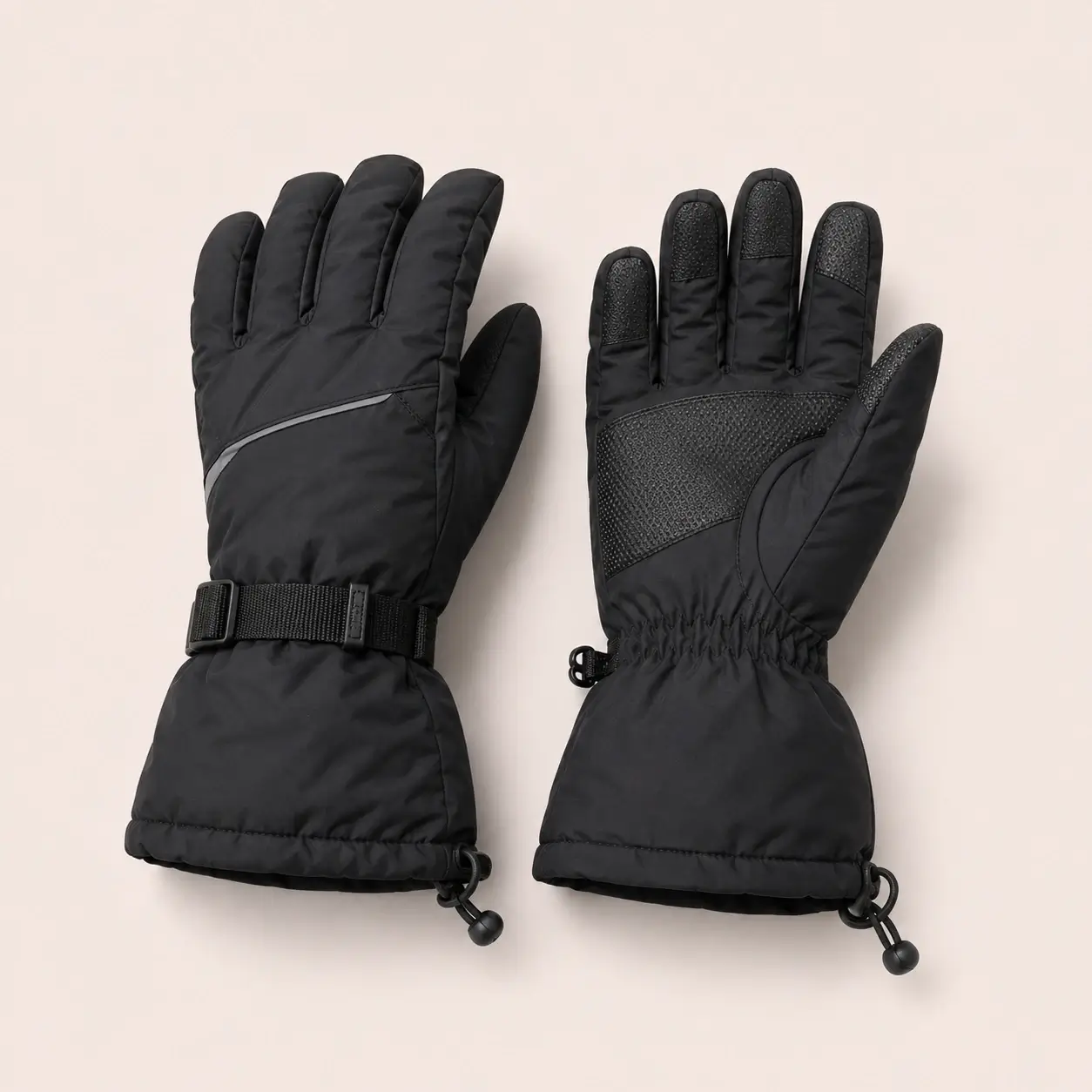
Gloves available for rent

Gloves

250
Cap available for rent

Cap

200
Power Bank available for rent

Power Bank

300
Trekking Pants available for rent

Trekking Pants

800
Trekking Shoes available for rent

Trekking Shoes

800
Jackets available for rent

Jackets

1000
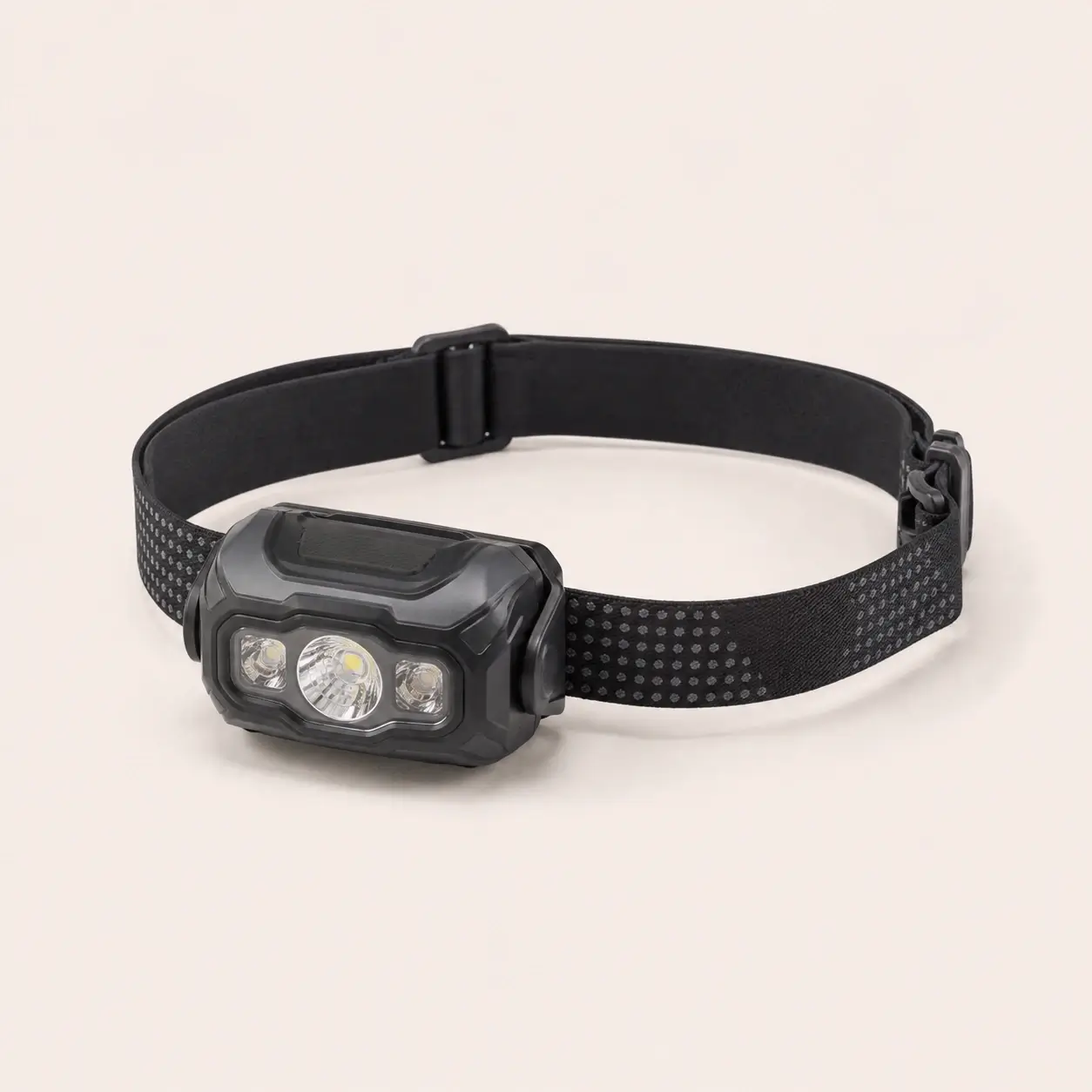
Head Lamps available for rent

Head Lamps

250
Lunch Box available for rent

Lunch Box

250
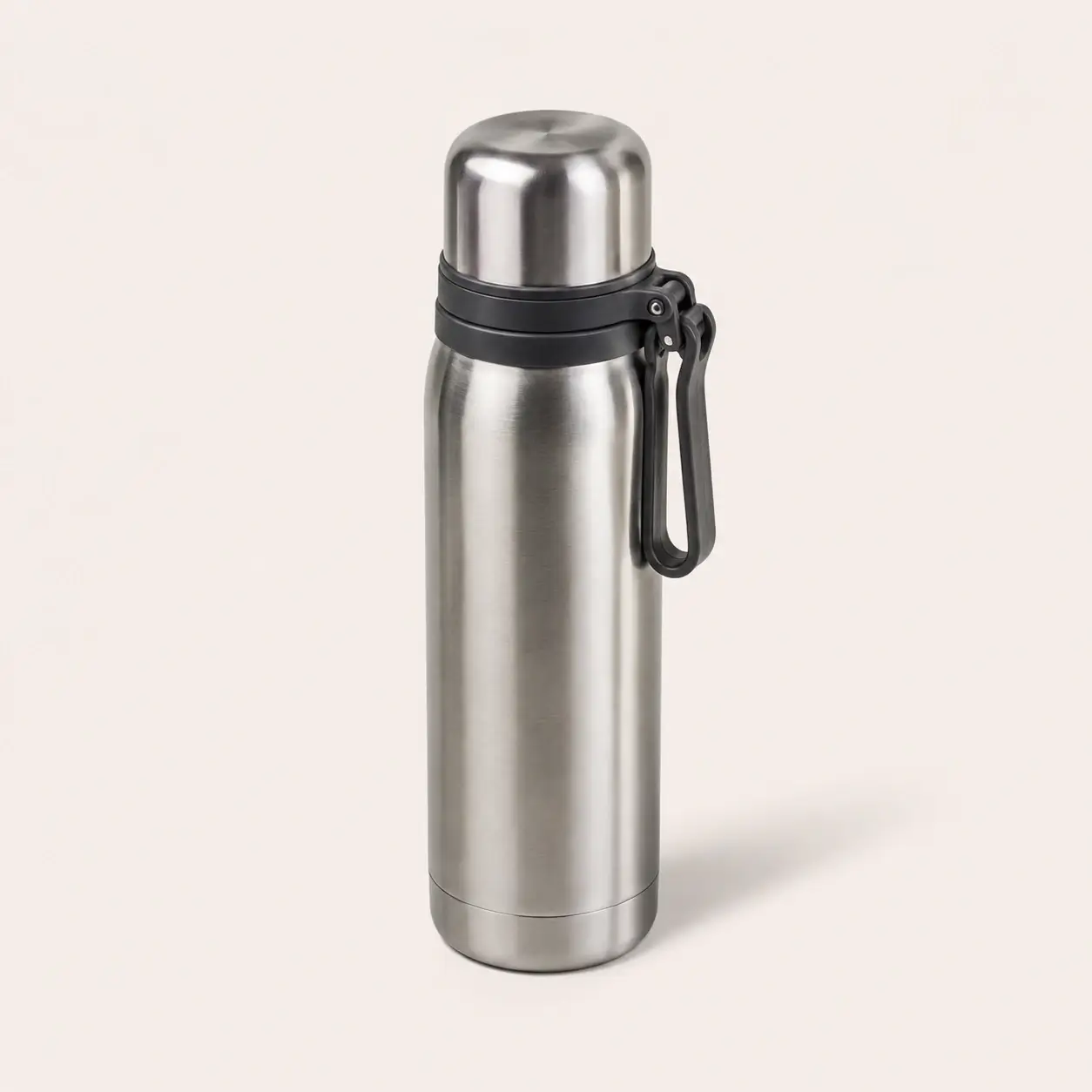
Flasks available for rent

Flasks

300
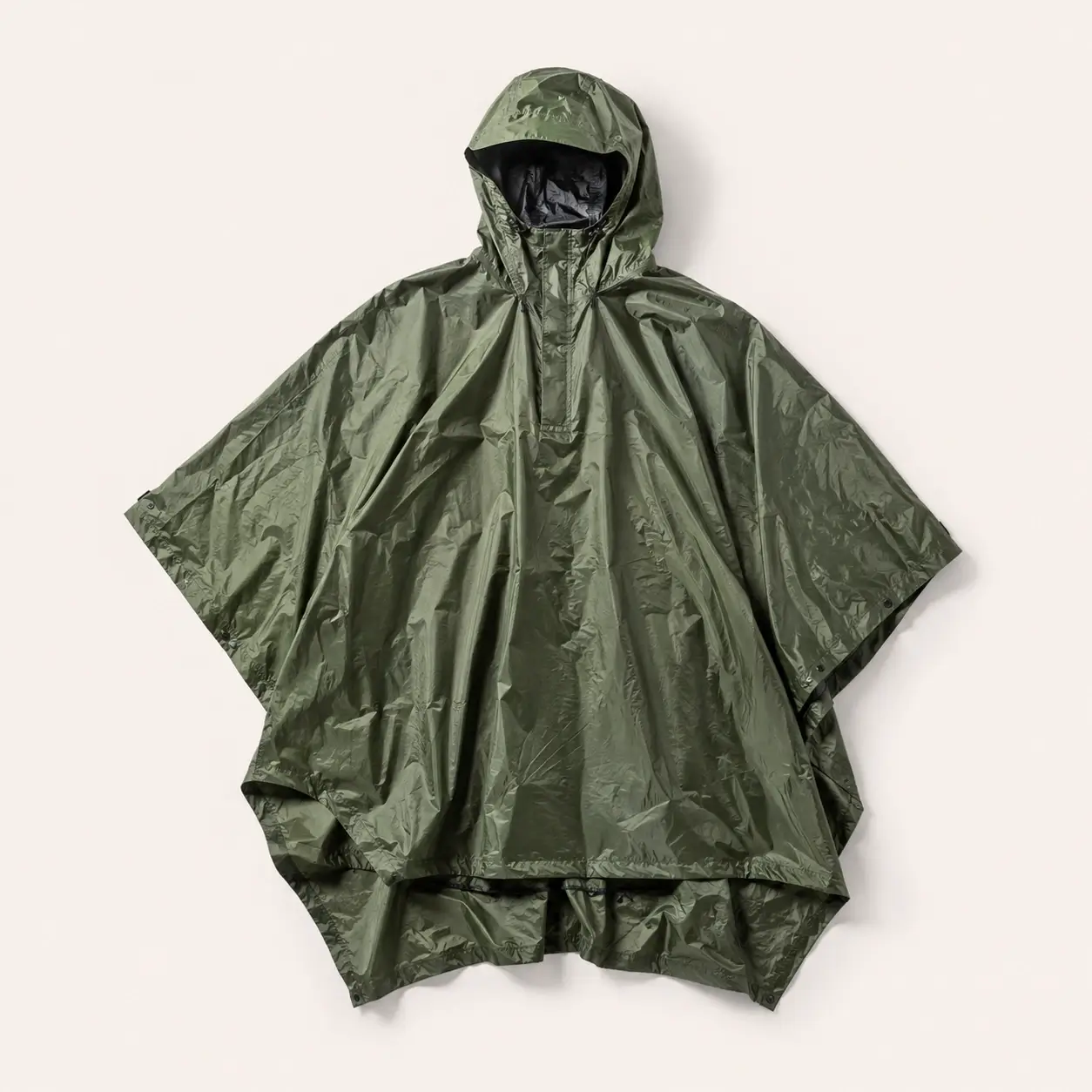
Rain Ponchos available for rent

Rain Ponchos

250
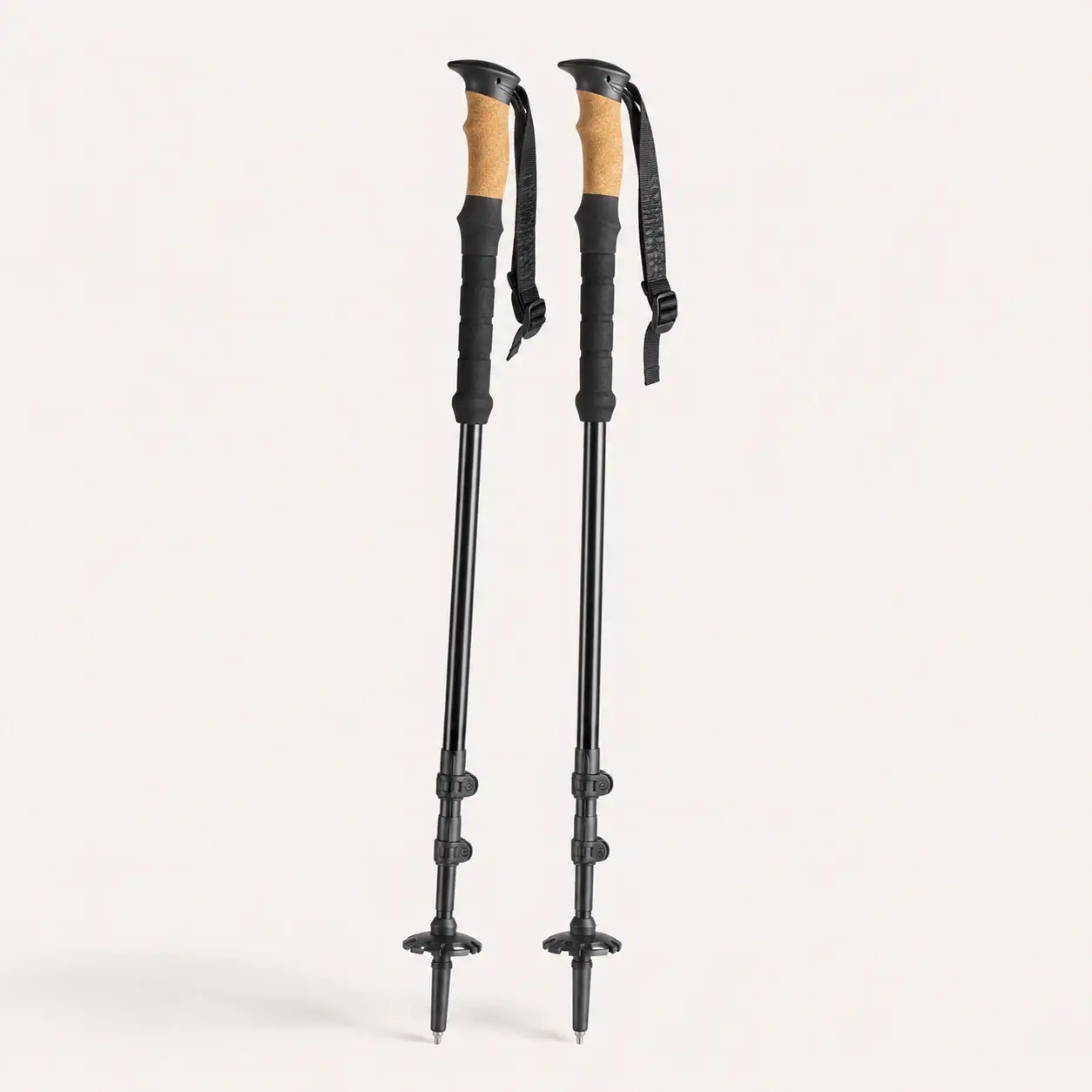
Trekking Poles available for rent

Trekking Poles

250