
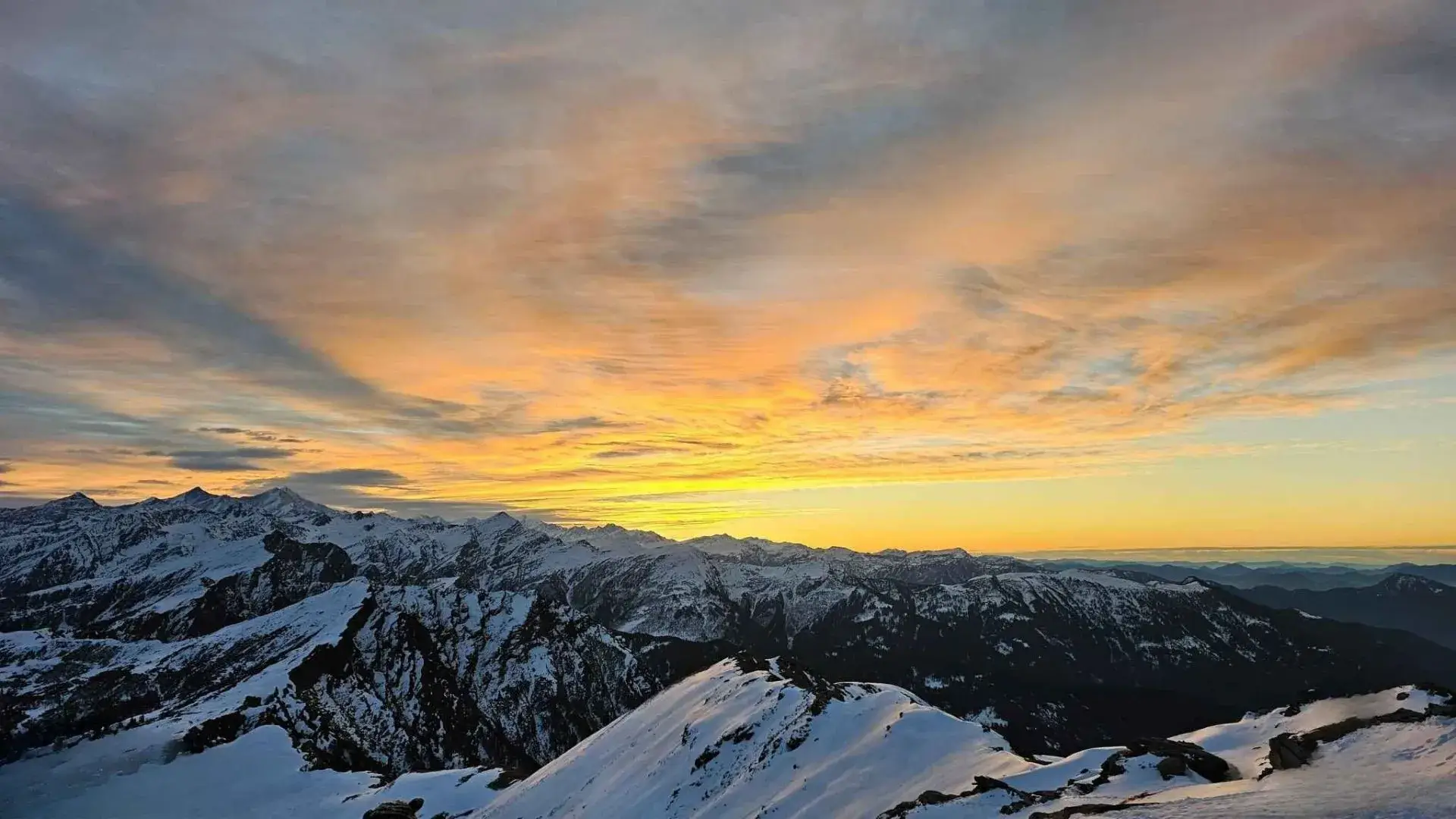
Good planning helps make your trek safer, more comfortable, and more enjoyable.
Check the Weather and Temperature
The Kedarkantha trek temperature varies by month, altitude, and weather conditions. Days can be sunny while nights at campsites fall below freezing in winter.
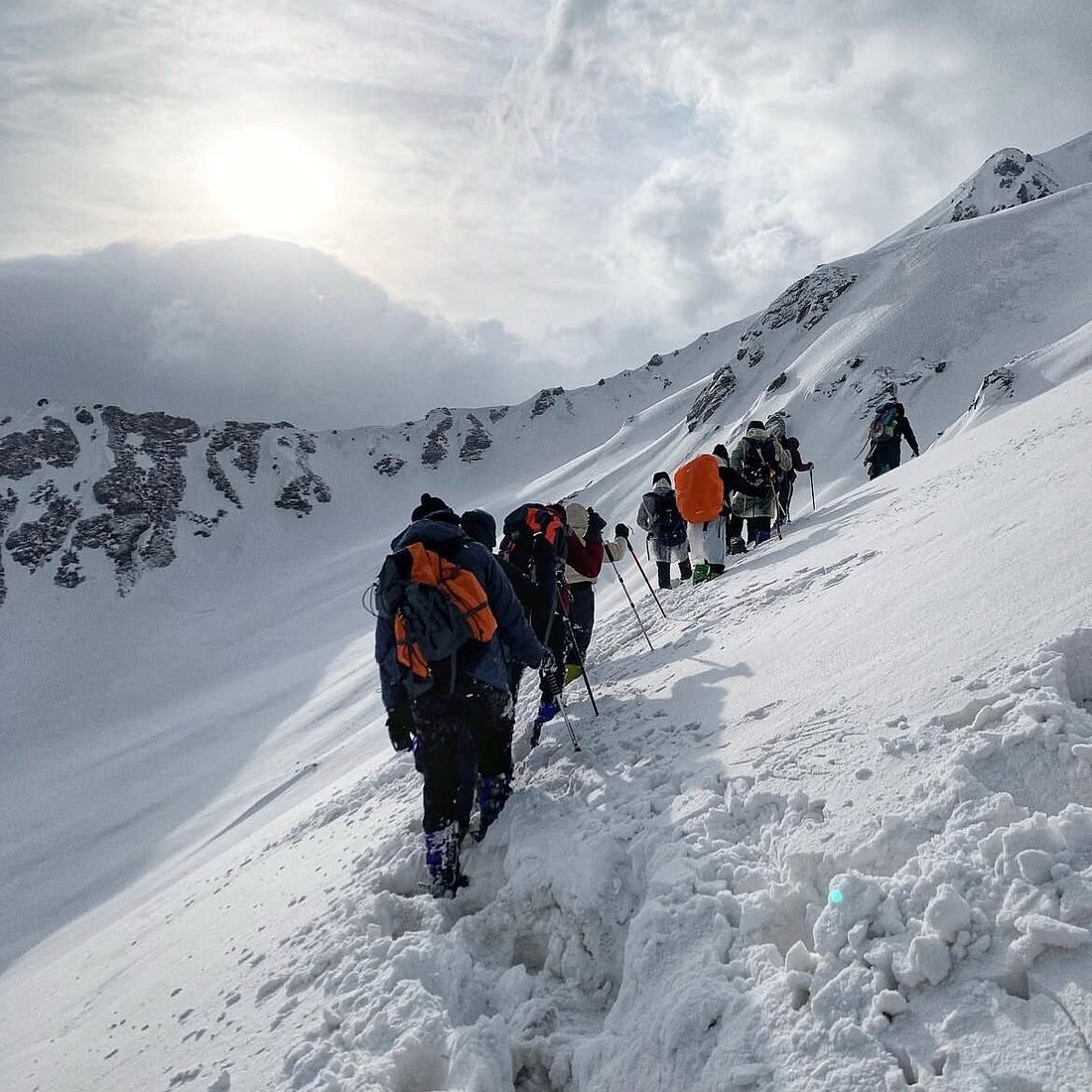
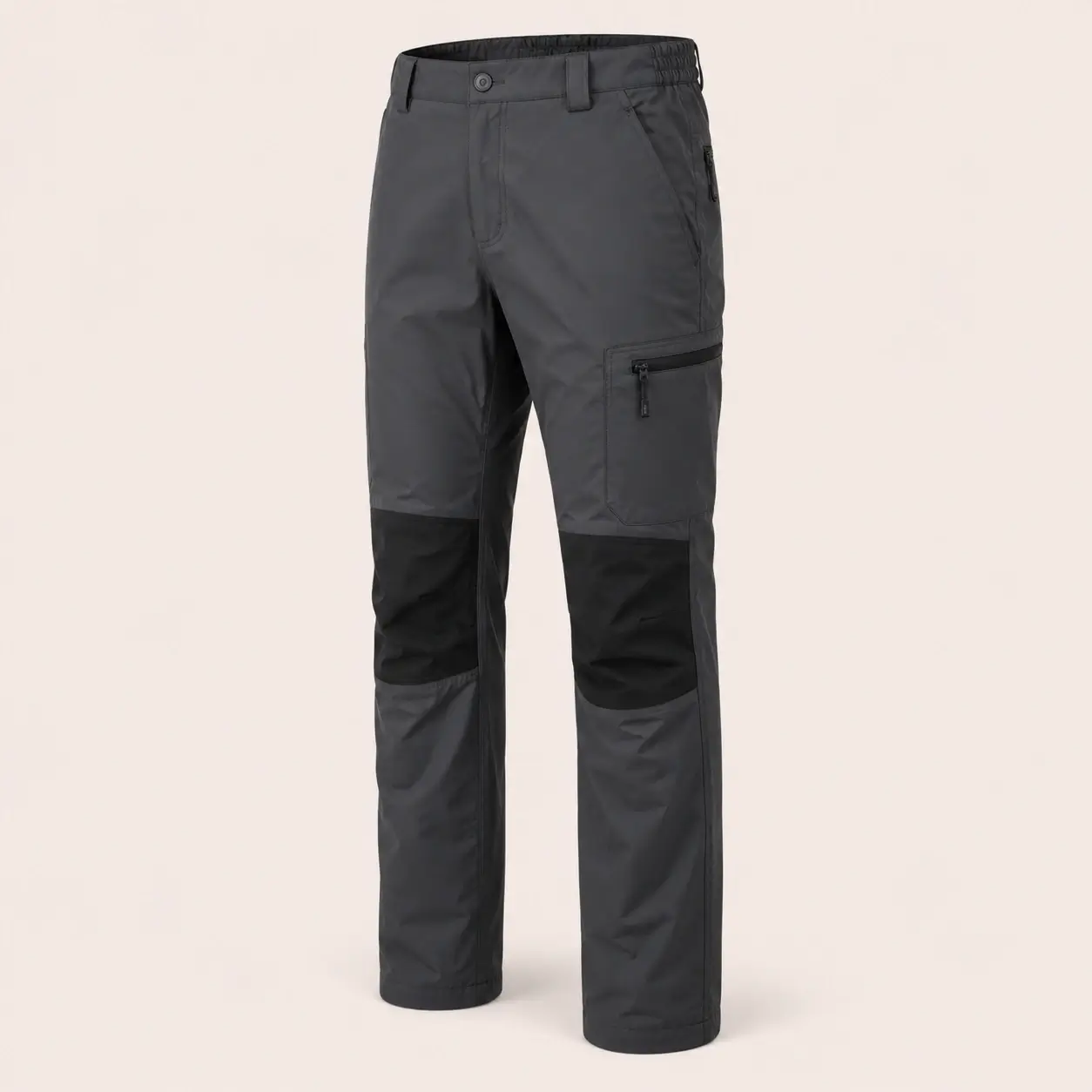
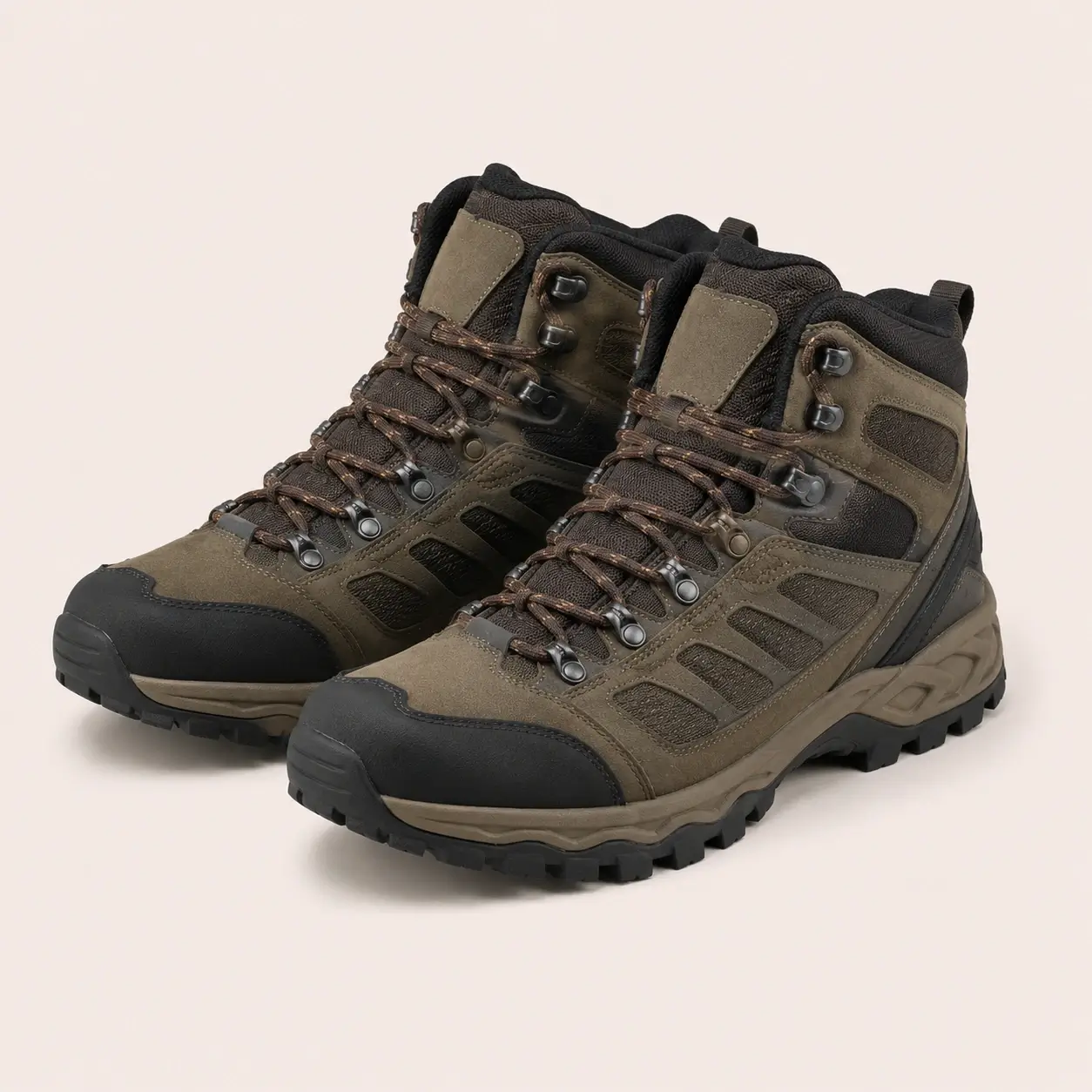
Check the forecast shortly before departure and pack warm layers, waterproof outerwear, gloves, and suitable trekking shoes. Snowfall and icy trails can affect walking times and the route.
Book Your Trek Early
The Kedarkantha Trek is popular during the winter holiday season, so available departures may fill up in advance.
For Kedarkantha trek booking, check the departure dates, group size, pickup arrangements, accommodation, meals, equipment, cancellation policy, and safety provisions offered by The Mountain Hike.
Understand the Package and Cost
The Kedarkantha trek package may include accommodation, meals during the trek, camping equipment, permits, and professional guidance. Exact inclusions vary by operator and departure.
The Kedarkantha trek cost depends on the package, group size, transportation, season, and additional services. Ask for a written breakdown of inclusions and exclusions before making payment. Confirm whether transport between Dehradun and Sankri is included.
Travel Arrangements
Most standard itineraries begin in Dehradun before continuing by road to Sankri.
Travellers planning the Kedarkantha trek from Delhi can reach Dehradun by train, bus, or flight connections, depending on their preferred schedule. Allow sufficient time between arrival in Dehradun and the trek pickup.
Confirm the meeting point, transport arrangements, return timing, and any overnight stay requirements with your operator.
Essential Documents
Carry the documents required for your departure, such as:
- Government-issued photo ID
- Trek booking confirmation
- Medical fitness certificate, if required
- Passport-size photographs, if requested
- Emergency contact details
Stay Hydrated and Respect Nature
Drink water regularly, eat properly, and follow your trek leader’s guidance. Carry reusable bottles and bring personal waste back to designated disposal points.
Stay on established trails, avoid disturbing wildlife, and respect local communities. Responsible trekking helps protect the Himalayan environment for future visitors.