Call Us WhatsApp
Chopta Tungnath Chandrashila Trek

Himalayan Trekking Adventure

Chopta Tungnath Chandrashila Trek

The Highest Shiva Temple Trek in the World

Rudraprayag, Uttarakhand
Duration
3 Days / 2 Nights
Maximum Altitude
12,072 ft
Trek Distance
9 km
Difficulty
Easy to Moderate
Best Season
Mar–Jun & Sep–Dec
Starting Point
Rishikesh
Base Camp
Baniyakund
Accommodation
Camping

Trek Overview

The Chopta Chandrashila Trek is a scenic Himalayan adventure in Uttarakhand that combines beautiful forest trails, alpine meadows, the spiritual atmosphere of Tungnath Temple, and panoramic mountain views from Chandrashila. With a relatively short trekking route and an Easy to Moderate difficulty level, it is suitable for beginners as well as experienced trekkers looking for a rewarding short Himalayan journey.

The trail takes you through the beautiful landscapes of Chopta, surrounded by forests of oak, pine, maple, and rhododendron. During spring, rhododendrons bloom across the hillsides, while winter can transform the region into a snow-covered landscape.

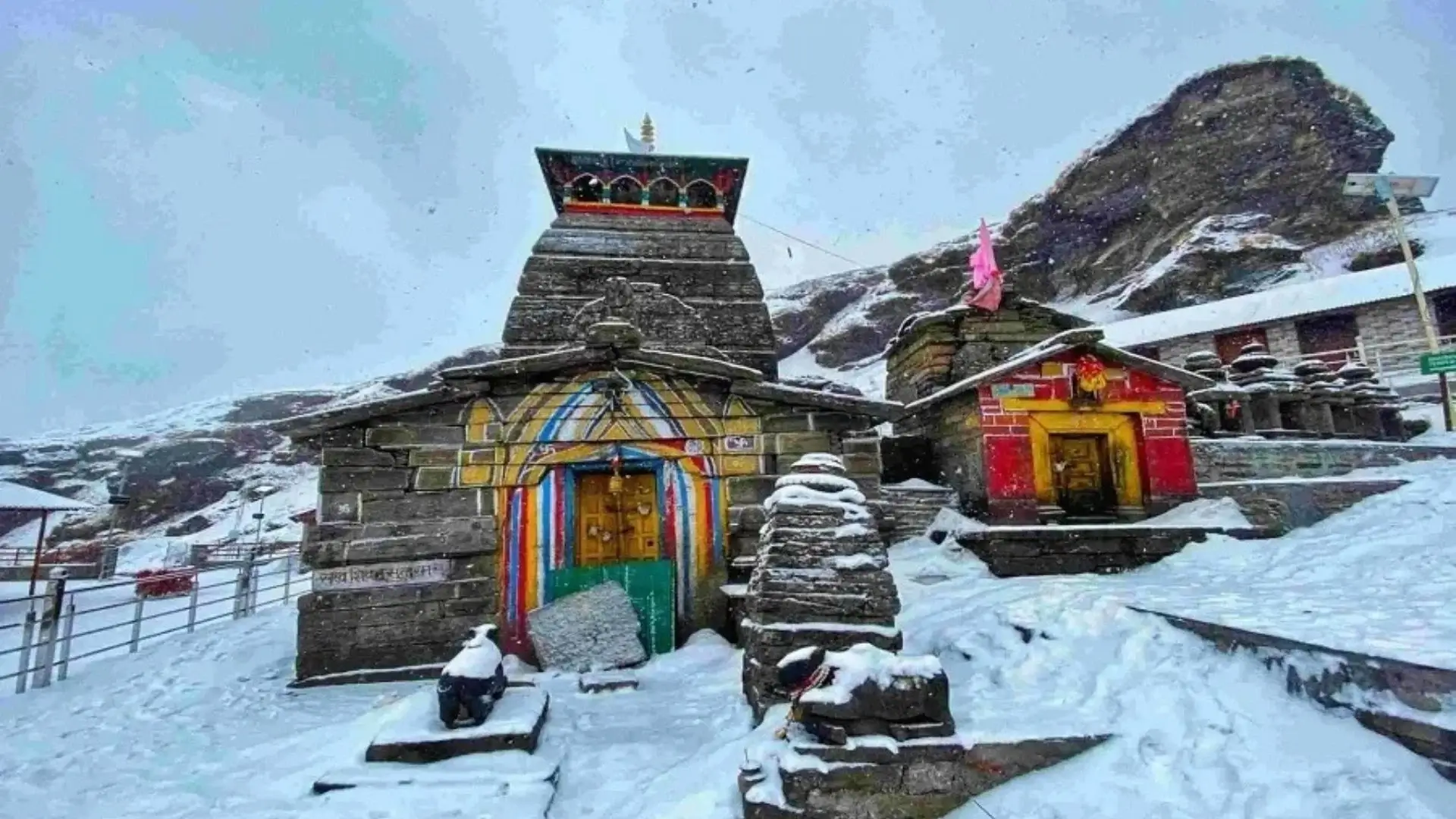
One of the main attractions of the journey is Tungnath Temple, one of the highest Shiva temples in the world and an important shrine of the Panch Kedar pilgrimage. The combination of Tungnath Chandrashila makes this route special for travelers who want to experience both spirituality and adventure in the Himalayas.

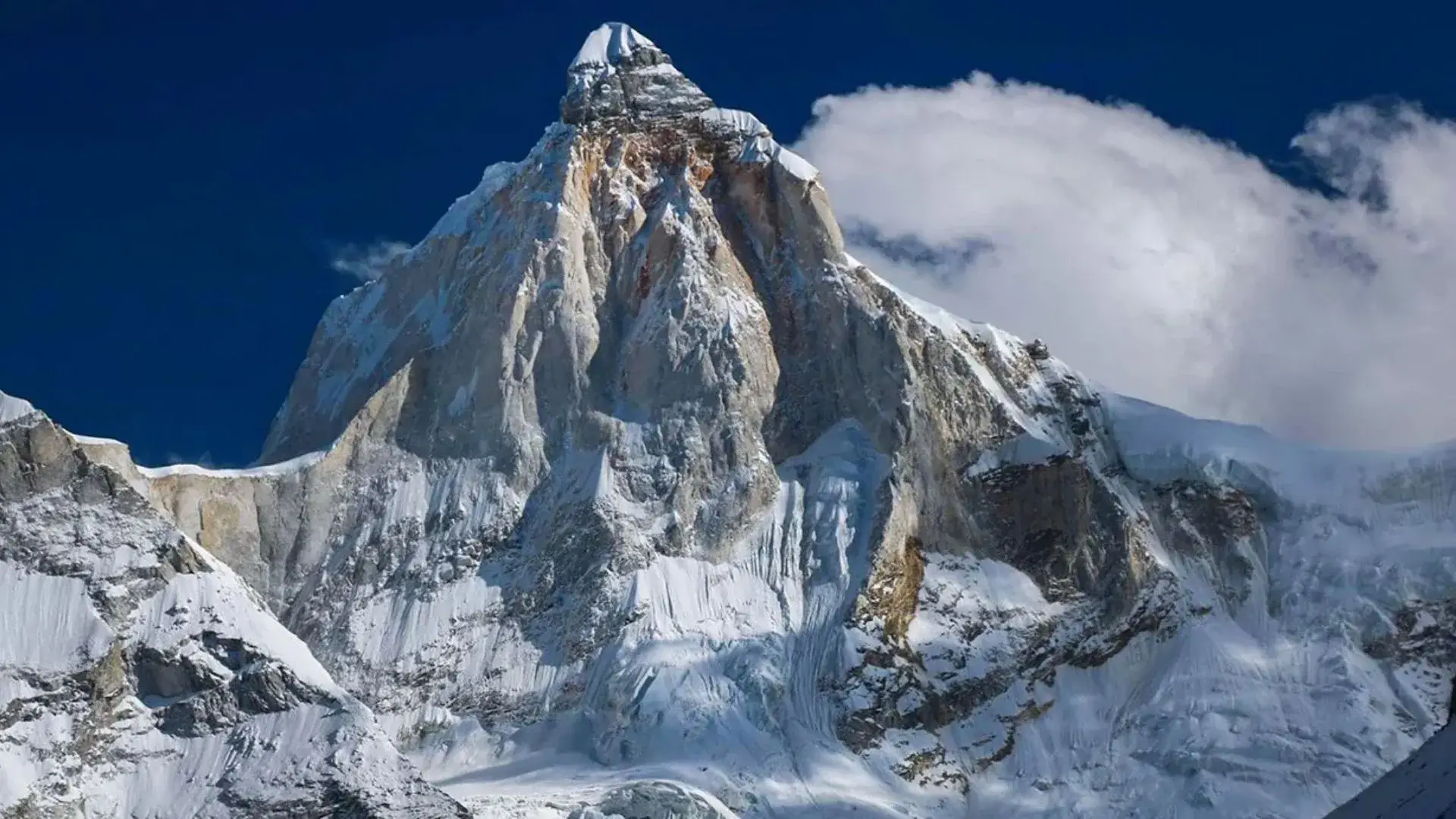
The final ascent leads towards Chandrashila, situated at approximately 12,072 ft. From the higher viewpoint, trekkers can enjoy expansive views of Nanda Devi, Chaukhamba, Trishul, Kedar Peak, Bandarpoonch, Neelkanth, and several other Himalayan peaks.

Whether you’re planning your first Himalayan adventure, looking for a short mountain escape, or hoping to experience snow-covered trails and Himalayan views, this route offers a memorable trekking experience.

Organized by The Mountain Hike, the journey includes experienced trek leaders, camping arrangements, meals, trekking support, and appropriate safety measures for a comfortable mountain experience.

Why Choose This Trek?

The Chopta Chandrashila Trek is an excellent choice for travelers looking for a short Himalayan adventure that combines forests, alpine meadows, spirituality, mountain landscapes, and impressive summit views. Unlike longer high-altitude expeditions, the journey can be completed within a few days and does not require previous technical trekking experience.

One of the biggest highlights is Tungnath Temple. Surrounded by the Garhwal Himalayas, this ancient Shiva temple creates a peaceful spiritual experience before trekkers continue towards the higher viewpoint of Chandrashila. The combination of temple trails and mountain scenery makes the journey distinctive among short treks in Uttarakhand.

Nature lovers can enjoy walking through forests of oak, pine, maple, and rhododendron. During spring, blooming rhododendrons bring vibrant colors to the landscape, while winter can cover the meadows and higher sections in snow. The forests around Chopta are also known for Himalayan birdlife, including the colorful Himalayan Monal.

The climb towards Chandrashila rewards trekkers with wide Himalayan panoramas. On clear days, Nanda Devi, Chaukhamba, Trishul, Kedar Peak, Bandarpoonch, Neelkanth, and several surrounding peaks can be visible from the higher sections.

For trekkers interested in exploring more Himalayan routes, Roopkund and Kuari Pass offer different experiences, from high-altitude mountain landscapes to scenic trails overlooking some of Uttarakhand’s most impressive peaks.

With manageable trekking distances and an Easy to Moderate difficulty level, the journey can suit first-time trekkers, solo travelers, families, photographers, nature lovers, and weekend adventurers.

Professionally organized departures by The Mountain Hike provide experienced trek leaders, camping arrangements, meals, trekking equipment, local support, and appropriate safety measures throughout the journey.

Everything You Need To Know

The trek is planned across 3 days and 2 nights, starting from Rishikesh and covering Baniyakund, Chopta, Tungnath, and Chandrashila. The journey combines scenic mountain drives, forest trails, temple visits, panoramic Himalayan views, and comfortable camping.

Day 1

Rishikesh → Baniyakund

Scenic drive via Devprayag and Rudraprayag, followed by an overnight camp at Baniyakund.

Day 2

Baniyakund → Chopta → Tungnath → Chandrashila → Baniyakund

Trek through forests and meadows to Tungnath and Chandrashila, with panoramic Himalayan views.

Day 3

Baniyakund → Rishikesh

Scenic return drive via Rudraprayag and Devprayag, marking the end of the trek.

Rishikesh to Baniyakund

227 km 7–8 hrs Camping at Baniyakund

Your Himalayan adventure begins early in the morning from Rishikesh, one of the major gateways to the Garhwal Himalayas. As you leave the city behind, the road gradually enters the mountains, offering views of rivers, forests, traditional villages, and terraced fields.

The drive passes through Devprayag, where the Alaknanda and Bhagirathi rivers meet to form the Ganga. Continuing further, you'll travel through Rudraprayag, another important confluence where the Alaknanda meets the Mandakini River.

Throughout the journey, winding mountain roads offer views of forest-covered slopes, traditional Garhwali settlements, waterfalls, river valleys, and changing Himalayan landscapes.

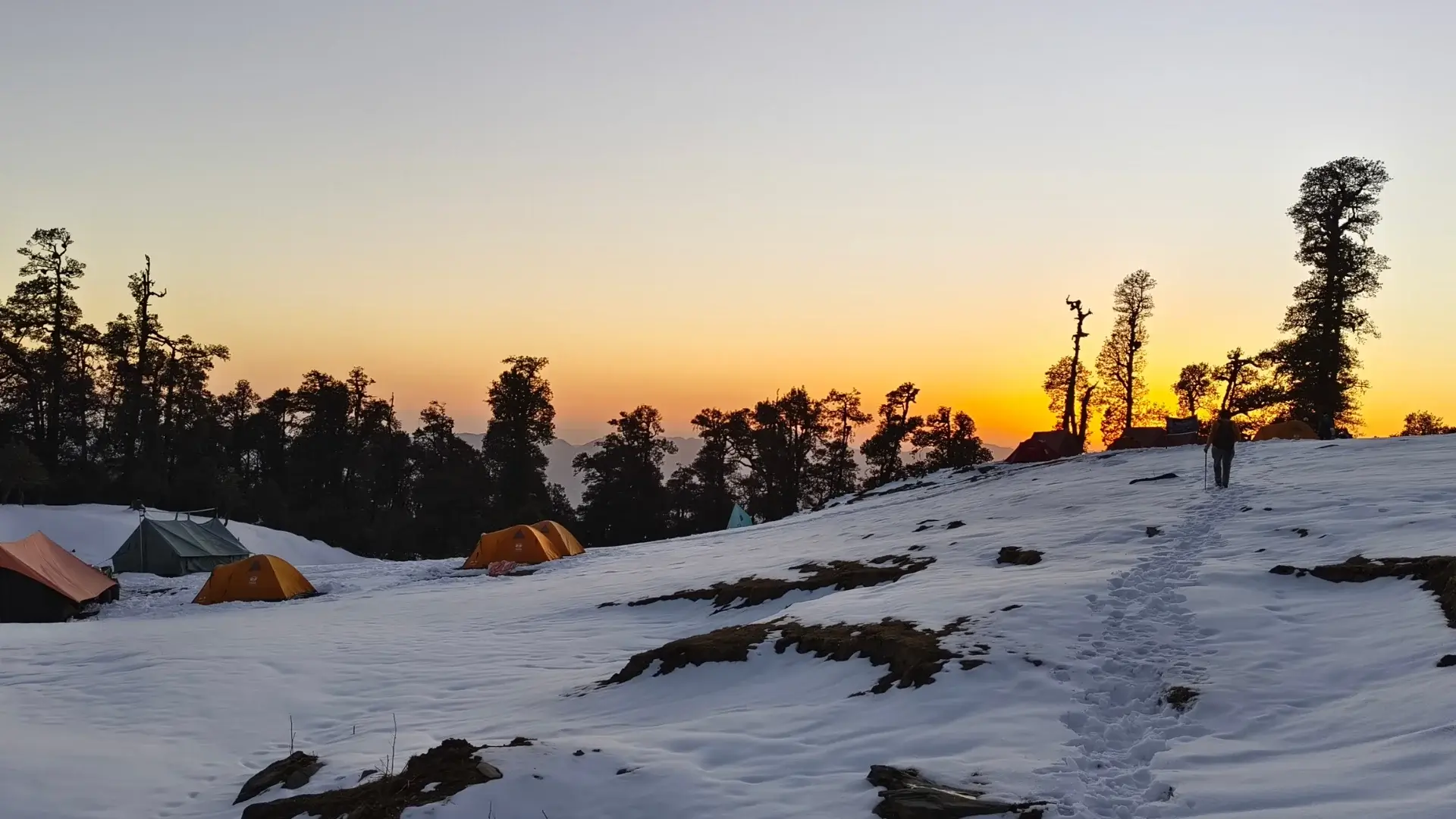
By evening, you'll arrive at Baniyakund, a peaceful area surrounded by forests of oak, pine, and rhododendron. After settling into the campsite, enjoy hot refreshments and the fresh mountain surroundings.

Dinner is served at the campsite, followed by an overnight stay in tents.


Baniyakund – Chopta – Tungnath – Chandrashila – Baniyakund

9 km 4–5 hrs Camping at Baniyakund

Wake up to the crisp mountain air and enjoy breakfast before beginning the main trekking day.

The trail gradually ascends through alpine meadows and forests of rhododendron, oak, and pine. During spring, blooming rhododendrons add shades of red and pink to the landscape, while winter can cover sections of the route in snow.

This section forms the heart of the Chopta Tungnath Chandrashila Trek, taking you from the beautiful landscapes of Chopta towards the ancient Tungnath Temple and then higher towards Chandrashila.

After a steady climb, you'll reach Tungnath Temple, one of the highest Shiva temples in the world and an important shrine of the Panch Kedar pilgrimage. Surrounded by towering Himalayan mountains, the temple provides a peaceful setting for both trekkers and pilgrims.

From Tungnath, continue the ascent towards Chandrashila. As you gain elevation, the landscape becomes increasingly open and the surrounding mountain views become more dramatic.

Upon reaching the higher section around Chandrashila Peak, trekkers can enjoy panoramic views of Nanda Devi, Chaukhamba, Trishul, Kedar Peak, Bandarpoonch, Neelkanth, and several other Himalayan mountains.

After spending time enjoying the scenery and taking photographs, begin the descent and return to Baniyakund.

Enjoy a warm dinner and spend another peaceful night at the campsite.


Baniyakund to Rishikesh

227 km 7–8 hrs Baniyakund – Rudraprayag – Devprayag – Rishikesh

After an early breakfast, bid farewell to the mountains and begin the return journey towards Rishikesh.

The scenic drive once again passes through Rudraprayag and Devprayag, offering views of mountain valleys, river confluences, terraced fields, traditional Garhwali villages, and flowing Himalayan rivers.

Short breaks can be taken during the journey for refreshments and photography.

By evening, you'll arrive in Rishikesh, marking the end of the adventure with memories of ancient temples, Himalayan peaks, forest trails, alpine landscapes, and peaceful campsites.


The Chandrashila Trek offers a diverse mountain experience combining dense forests, alpine meadows, religious significance, Himalayan viewpoints, birdlife, and peaceful camping.

Dense Forest Trails

The region around Chopta is known for forests of oak, rhododendron, maple, and pine. During spring, blooming rhododendrons add vibrant shades of red and pink to the hillsides.

The peaceful surroundings, mountain air, and birdsong make the forest sections especially enjoyable for nature lovers.

Beautiful Meadows of Chopta

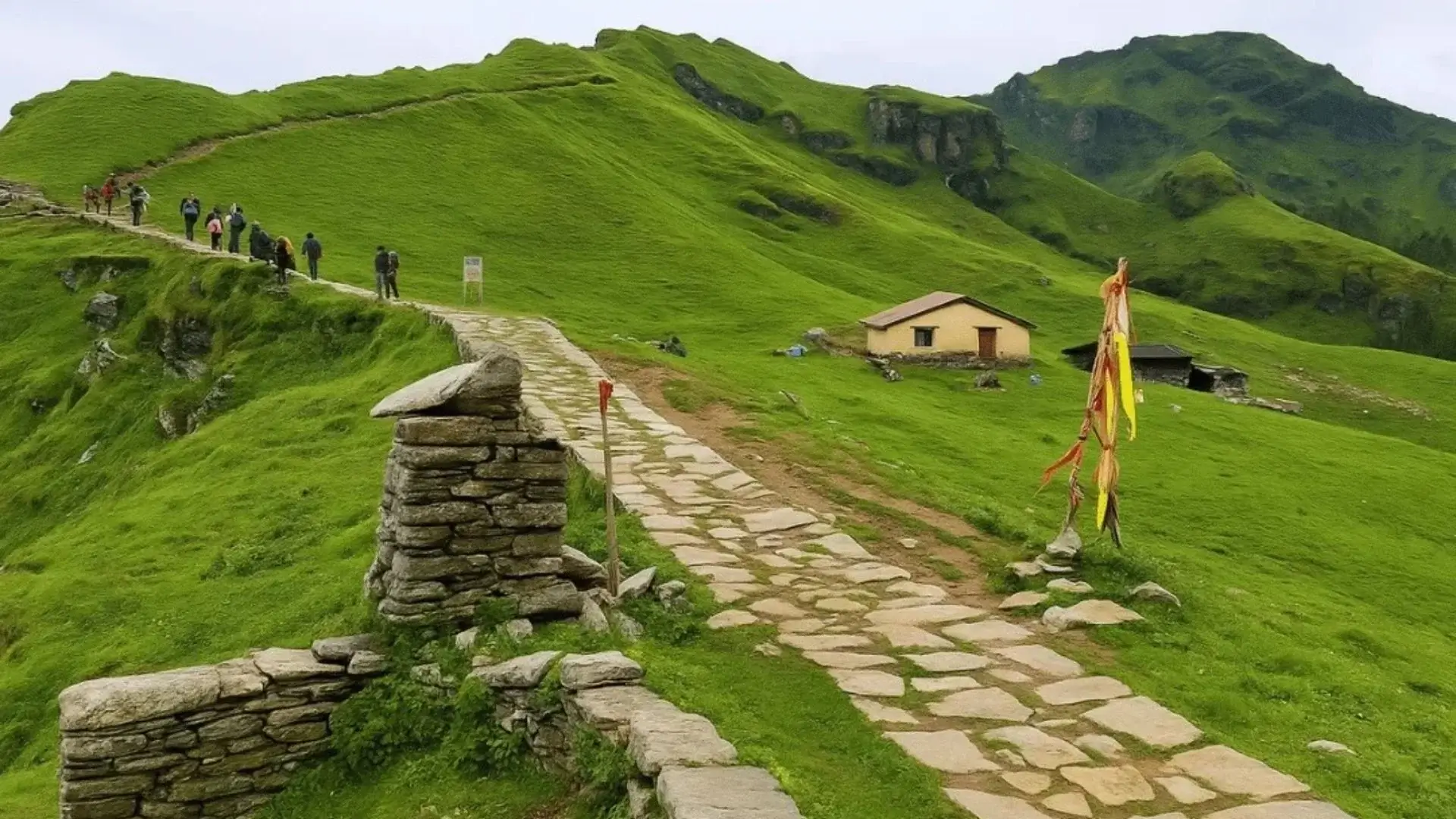
Often referred to as the “Mini Switzerland of Uttarakhand,” Chopta is known for its open alpine meadows and surrounding Himalayan landscapes.

During the warmer months, the meadows become green and vibrant, while winter can transform the area into a snow-covered landscape.

Spiritual Journey to Tungnath

Tungnath Temple is one of the most memorable attractions of the route. It is one of the highest Shiva temples in the world and forms an important part of the Panch Kedar circuit.

The ancient stone temple, peaceful surroundings, and dramatic mountain backdrop create a unique spiritual experience before the journey continues higher.

The Final Climb to Chandrashila

The climb from Tungnath to Chandrashila is relatively short but rewarding. As trekkers gain altitude, the Himalayan skyline gradually opens in several directions.

On a clear day, prominent mountains visible from the higher sections can include Nanda Devi, Chaukhamba, Trishul, Kedar Peak, Bandarpoonch, Neelkanth, Kedar Dome, Dunagiri, Hathi-Ghoda Parvat, and Nanda Ghunti.

The panoramic views from Chandrashila are among the biggest highlights of the journey.

Wildlife & Bird Watching

The forests surrounding Chopta support rich Himalayan biodiversity.

Bird enthusiasts may spot the Himalayan Monal, Himalayan Woodpecker, Griffon Vulture, Himalayan Bulbul, and several other native bird species.

The wider region also supports wildlife such as musk deer, barking deer, and Himalayan foxes.

Camping Under the Stars

Camping at Baniyakund provides an opportunity to experience the quieter side of the Himalayas.

Away from city lights, clear nights can reveal beautiful star-filled skies. Evenings at the campsite can be spent relaxing, interacting with fellow trekkers, and enjoying freshly prepared meals.


Proper planning helps make the journey safer, more comfortable, and enjoyable. Appropriate clothing, trekking footwear, personal equipment, fitness preparation, and choosing the right season can make a significant difference.

Booking through an organized trekking team also helps manage camping arrangements, meals, permits, trekking logistics, and safety support.

Choosing the right trekking company can make a significant difference to your overall experience. At The Mountain Hike, we believe that every trek should combine adventure, safety, comfort, and unforgettable memories.

Our experienced mountain leaders and certified trekking guides possess extensive knowledge of Himalayan terrain, weather conditions, and high-altitude trekking. They ensure that every participant receives proper guidance throughout the journey while maintaining high safety standards.

We provide well-maintained camping equipment, spacious tents, warm sleeping bags, hygienic dining arrangements, and freshly prepared nutritious meals to keep trekkers comfortable even in remote mountain environments.

Safety remains our highest priority. Every trek is equipped with medical kits, oxygen cylinders, emergency evacuation support, and trained staff who are prepared to respond when required.

At The Mountain Hike, we also believe in responsible tourism. We encourage eco-friendly trekking practices by minimizing plastic waste, respecting local communities, and helping preserve the fragile Himalayan ecosystem for future generations.

Whether you’re attempting your first Himalayan trek or you’re an experienced adventurer, our carefully planned itineraries, small group approach, personalized attention, and professional support help create an enjoyable and memorable trekking experience from start to finish.

The package includes accommodation, meals during the trek, camping equipment, permits, professional trek leaders and guides, support staff, and basic safety and medical support. Personal expenses, travel insurance, transit meals, personal luggage porter or mule charges, and anything not mentioned in the inclusions are excluded.

Inclusions

  • Accommodation in guesthouses, homestays, or alpine camps as per the itinerary.
  • Nutritious vegetarian meals with eggs during the trek.
  • Comfortable sleeping bags and insulated mattresses.
  • Camping tents.
  • Kitchen and dining tents.
  • Trekking equipment required for the route, including crampons during snowy conditions when necessary.
  • Professional and experienced trek leaders.
  • Certified local trekking guides.
  • Support staff and camp crew.
  • First-aid medical kit.
  • Oxygen cylinder for emergency situations.
  • Stretcher for emergency evacuation support.
  • Forest permits and entry fees.
  • Camping logistics and safety equipment.

Exclusions

  • Personal expenses.
  • Meals during transit between Rishikesh and the trekking area.
  • Travel insurance.
  • Porter or mule charges for personal luggage.
  • Personal trekking gear and clothing.
  • Emergency evacuation expenses beyond standard support.
  • Additional accommodation caused by weather delays.
  • Camera fees wherever applicable.
  • Anything not specifically mentioned under inclusions.

The journey is classified as Easy to Moderate, making it suitable for beginners while still offering enough challenge for experienced trekkers.

Although the walking distance is relatively short, the climb towards Tungnath and Chandrashila involves continuous uphill walking. Trekkers should be comfortable with stone pathways, mountain terrain, and moderate ascents.

No technical climbing experience is required, but basic physical fitness can significantly improve the overall experience.

A suitable preparation routine can include:

  • Brisk walking
  • Jogging or running
  • Stair climbing
  • Cycling or swimming
  • Squats and lunges
  • Core strengthening exercises
  • Regular stretching

Ideally, begin basic fitness preparation approximately three to four weeks before departure.

Despite reaching an elevation of more than 12,000 ft, the gradual ascent helps most trekkers adjust comfortably. Staying hydrated, maintaining a steady pace, and following the trek leader’s guidance are important throughout the journey.

The Chopta Chandrashila region can be explored during different seasons, with each period offering a distinctive mountain experience.

Spring – March to April

Spring is one of the most colorful periods around Chopta. Rhododendron forests bloom in shades of red and pink, while pleasant temperatures and clear skies create comfortable trekking conditions.

This season is particularly attractive for photographers and nature lovers.

Summer – May to June

Summer brings comfortable daytime temperatures and lush green landscapes. Snow gradually melts, making the trails more accessible for beginners and families.

Pleasant weather and clearer trails make this a popular trekking period.

Monsoon – July to August

The region becomes exceptionally green during the monsoon, but heavy rainfall can make trails slippery and increase the possibility of road disruptions and landslides.

For this reason, monsoon is generally not considered a preferred period for organized departures.

Autumn – September to November

Autumn offers some of the clearest Himalayan views of the year. Post-monsoon conditions often provide excellent visibility, relatively dry trails, and comfortable daytime temperatures.

This period can be particularly rewarding for photographers and trekkers looking for clear mountain panoramas.

Winter – December to February

Winter can transform the region into a beautiful snow-covered Himalayan landscape. Forests, meadows, and higher sections may receive fresh snow, creating a distinctive winter trekking experience.

Actual snow conditions depend on weather, so trekkers should be properly prepared for cold temperatures and changing trail conditions.

March to April

Spring

Spring is one of the most colorful periods around Chopta. Rhododendron forests bloom in shades of red and pink, while pleasant temperatures and clear skies create comfortable trekking conditions. This season is particularly attractive for photographers and nature lovers.

May to June

Summer

Summer brings comfortable daytime temperatures and lush green landscapes. Snow gradually melts, making the trails more accessible for beginners and families. Pleasant weather and clearer trails make this a popular trekking period.

July to August

Monsoon

The region becomes exceptionally green during the monsoon, but heavy rainfall can make trails slippery and increase the possibility of road disruptions and landslides. For this reason, monsoon is generally not considered a preferred period for organized departures.

September to November

Autumn

Autumn offers some of the clearest Himalayan views of the year. Post-monsoon conditions often provide excellent visibility, relatively dry trails, and comfortable daytime temperatures. This period can be particularly rewarding for photographers and trekkers looking for clear mountain panoramas.

December to February

Winter

Winter can transform the region into a beautiful snow-covered Himalayan landscape. Forests, meadows, and higher sections may receive fresh snow, creating a distinctive winter trekking experience. Actual snow conditions depend on weather, so trekkers should be properly prepared for cold temperatures and changing trail conditions.

Packing wisely can make a significant difference to your trekking experience.

Clothing

  • Quick-dry trekking T-shirts
  • Full-sleeve thermal wear
  • Fleece jacket
  • Heavy down jacket during winter
  • Waterproof windcheater
  • Trekking pants
  • Extra warm trousers
  • Woollen cap
  • Sun cap
  • Neck gaiter or buff
  • Waterproof gloves
  • Woollen gloves
  • Trekking socks

Layering is recommended for staying comfortable as temperatures change.

Footwear

Carry high-ankle waterproof trekking shoes with good grip and suitable ankle support.

Comfortable camp shoes or sandals and spare shoelaces can also be useful.

Anti-slip crampons may be required during heavy snowfall and are generally provided when necessary.

Backpack

A 40–50 litre trekking backpack is suitable for carrying personal essentials.

A rain cover, dry bags, or zip-lock bags can help protect clothing and electronic equipment from moisture.

Personal Essentials

  • Reusable water bottle
  • Energy bars and dry fruits
  • UV-protection sunglasses
  • SPF 50+ sunscreen
  • Lip balm
  • Moisturizer
  • Personal medicines
  • Hand sanitizer
  • Wet wipes
  • Tissue paper
  • Toothbrush and toothpaste
  • Quick-dry towel
  • Headlamp or torch with spare batteries
  • Power bank
  • Identity proof
  • Emergency cash

Optional Gear

  • Trekking poles
  • Camera with spare batteries
  • Binoculars
  • Lightweight notebook
  • Portable phone tripod
  • Reusable coffee mug

The Chopta Chandrashila Trek also gives you the opportunity to explore several beautiful and spiritual places around the region. From the sacred Tungnath Temple and scenic Chopta meadows to the peaceful towns of Ukhimath, Devprayag, and Rudraprayag, these nearby attractions add more experiences to your Himalayan journey. Exploring these places allows trekkers to discover the region’s natural beauty, spiritual heritage, local culture, and stunning mountain landscapes beyond the main trekking trail.

Tungnath Temple

Tungnath is one of the highest Shiva temples in the world and an important part of the Panch Kedar pilgrimage. Its peaceful mountain setting makes it one of the major attractions of the journey.

Chandrashila

Standing at approximately 12,072 ft, Chandrashila provides one of the most impressive panoramic viewpoints in the Garhwal Himalayas.

Chopta

Chopta is known for its alpine meadows, dense forests, pleasant mountain environment, and Himalayan views.

Ukhimath

Ukhimath is an important religious destination where the idol of Lord Kedarnath is worshipped during winter when Kedarnath Temple remains closed.

Kedarnath Wildlife Sanctuary

The forests surrounding Chopta form part of the Kedarnath Wildlife Sanctuary and support Himalayan biodiversity, including the Himalayan Monal, musk deer, Himalayan fox, and numerous bird species.

Devprayag

Located along the route from Rishikesh, Devprayag is the sacred confluence where the Bhagirathi and Alaknanda rivers meet to form the Ganga.

Rudraprayag

Rudraprayag is another important confluence town on the route, where the Alaknanda and Mandakini rivers meet.

Madhyamaheshwar

Ukhimath also serves as an important gateway to Madhyamaheshwar, another significant destination in the Garhwal Himalayas and part of the Panch Kedar pilgrimage.

Roopkund

Trekkers interested in exploring other high-altitude routes in Uttarakhand can also consider destinations such as Roopkund, known for its dramatic mountain landscapes and challenging trekking terrain.

Chopta Tungnath Chandrashila Trek FAQs

A complete guide to help you plan your Chopta Chandrashila Trek with ease and confidence.

Yes. It is classified as Easy to Moderate and can be attempted by beginners with basic physical fitness and appropriate preparation.

March to June offers pleasant conditions and blooming rhododendrons, while September to December is known for clear mountain views. Winter can be suitable for travelers interested in snow-covered landscapes.

The route is classified as Easy to Moderate. No technical climbing experience is required, but trekkers should be prepared for continuous uphill walking.

The standard itinerary takes 3 Days / 2 Nights, including travel from and back to Rishikesh.

The highest point of the journey is approximately 12,072 ft.

The trekking distance on the main trekking day is approximately 9 km according to the standard itinerary.

Tungnath combines spiritual significance with Himalayan scenery, while the higher Chandrashila viewpoint offers panoramic views of several major mountain peaks.

No. Snowfall depends on current weather conditions, although snow can commonly be experienced in the region during winter.

Children above 10 years who are physically active and comfortable walking on mountain trails can generally attempt the journey under appropriate adult supervision.

Accommodation primarily consists of alpine camping with sleeping bags, mattresses, and campsite arrangements.

Yes. Freshly prepared vegetarian meals with eggs are provided during the trekking portion as specified in the package inclusions.

No previous trekking experience is necessary. Basic physical fitness and suitable preparation are recommended.

Carry trekking shoes, warm clothing, waterproof layers, gloves, sunglasses, sunscreen, a reusable water bottle, personal medicines, toiletries, and a headlamp.

Mobile connectivity becomes limited around Baniyakund, Chopta, Tungnath, and Chandrashila, so continuous network availability should not be expected.

Yes. Applicable forest permits and entry fees mentioned under the inclusions are arranged by The Mountain Hike.

The gradual ascent helps reduce the chances of altitude-related discomfort, but trekkers should remain hydrated, maintain a steady pace, and follow the trek leader's guidance.

Yes. Customized departures can be organized for families, friends, corporate groups, educational institutions, and adventure clubs, subject to availability.

Stories From The Trail

Hear from trekkers who have experienced the Himalayan trails with The Mountain Hike.

Trek Gear Rental

Rent Trekking Gear & Equipment

Travel light and rent essential trekking gear for your adventure. Check the available equipment and choose what you need for your trek.

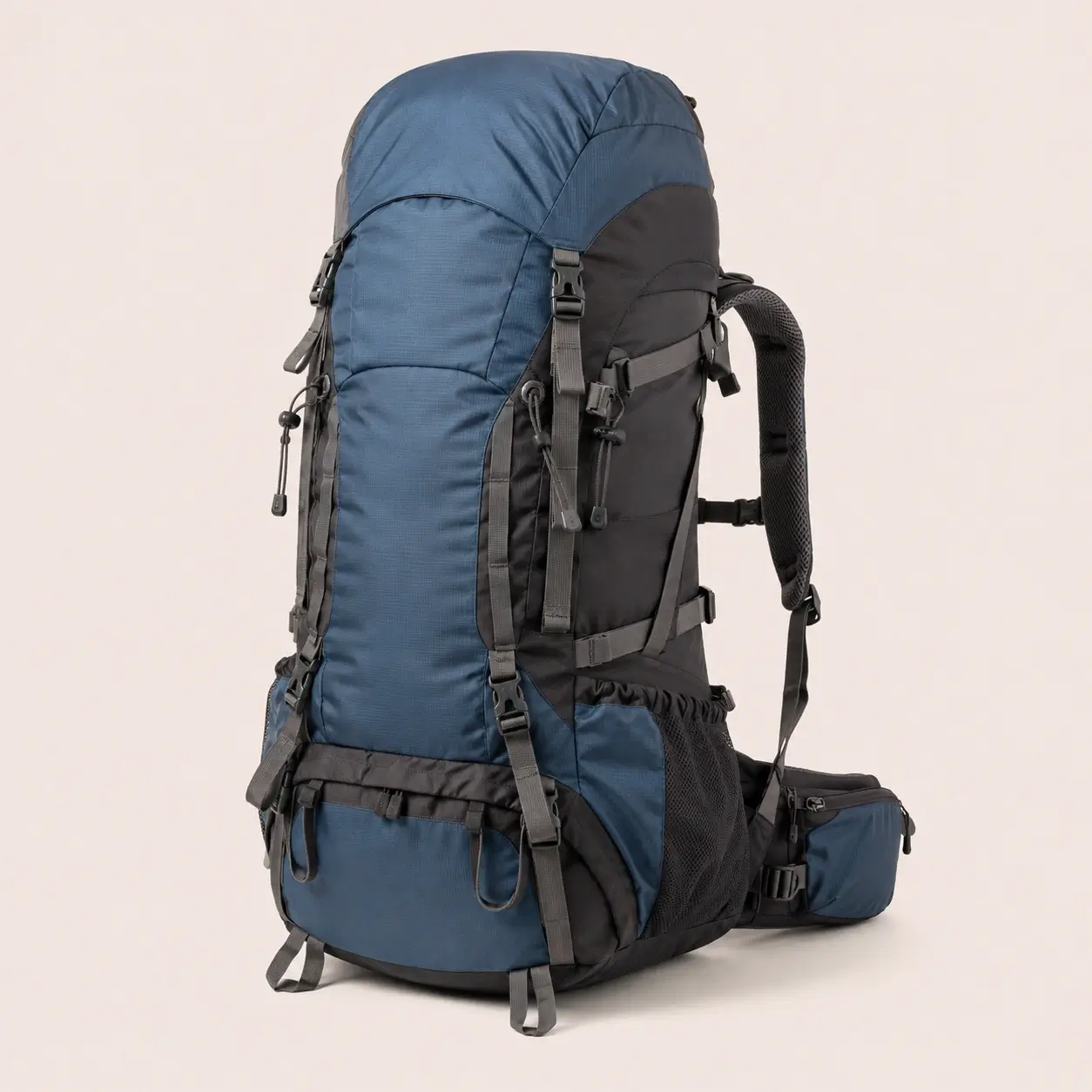
Rucksack available for rent

Rucksack

900
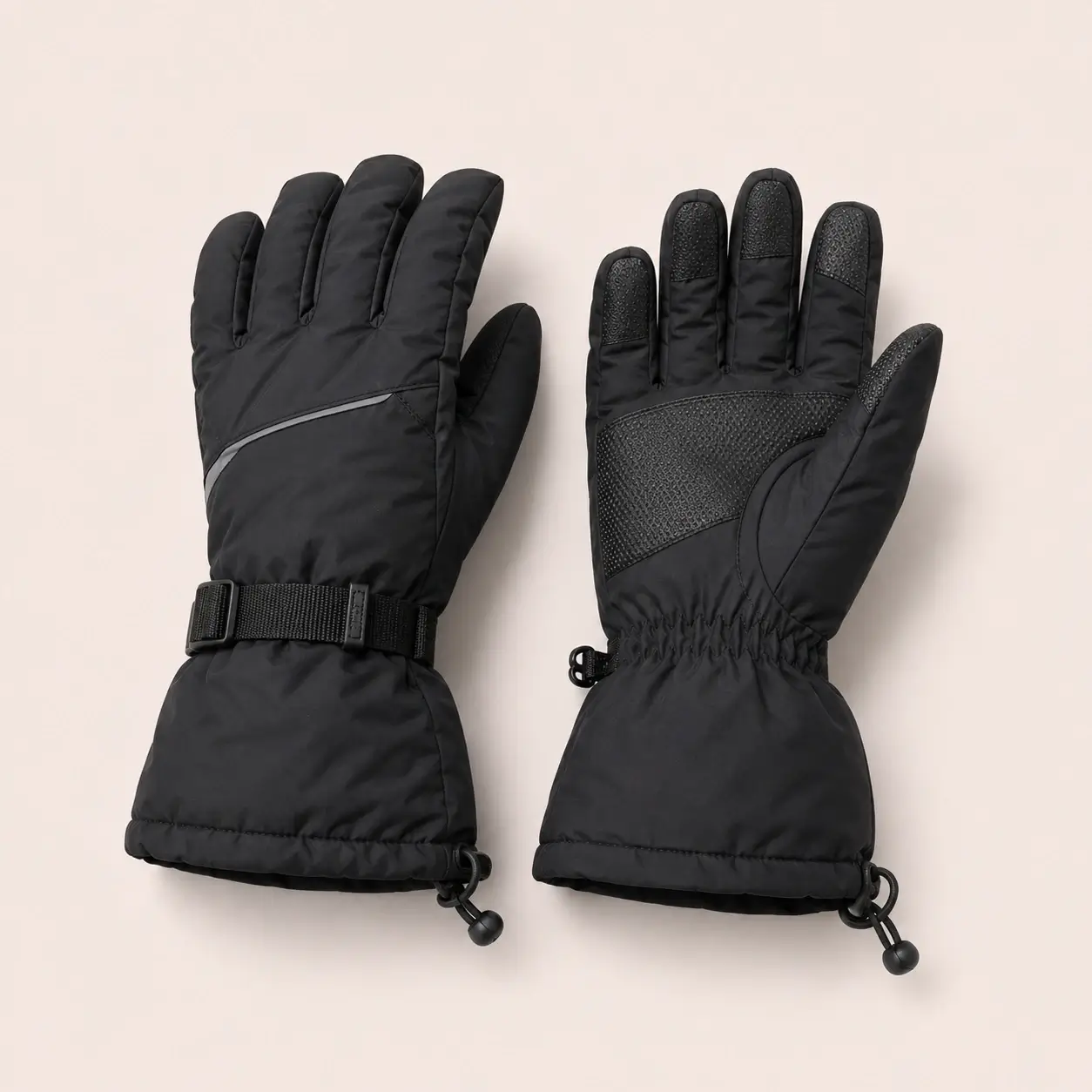
Gloves available for rent

Gloves

250
Cap available for rent

Cap

200
Power Bank available for rent

Power Bank

300
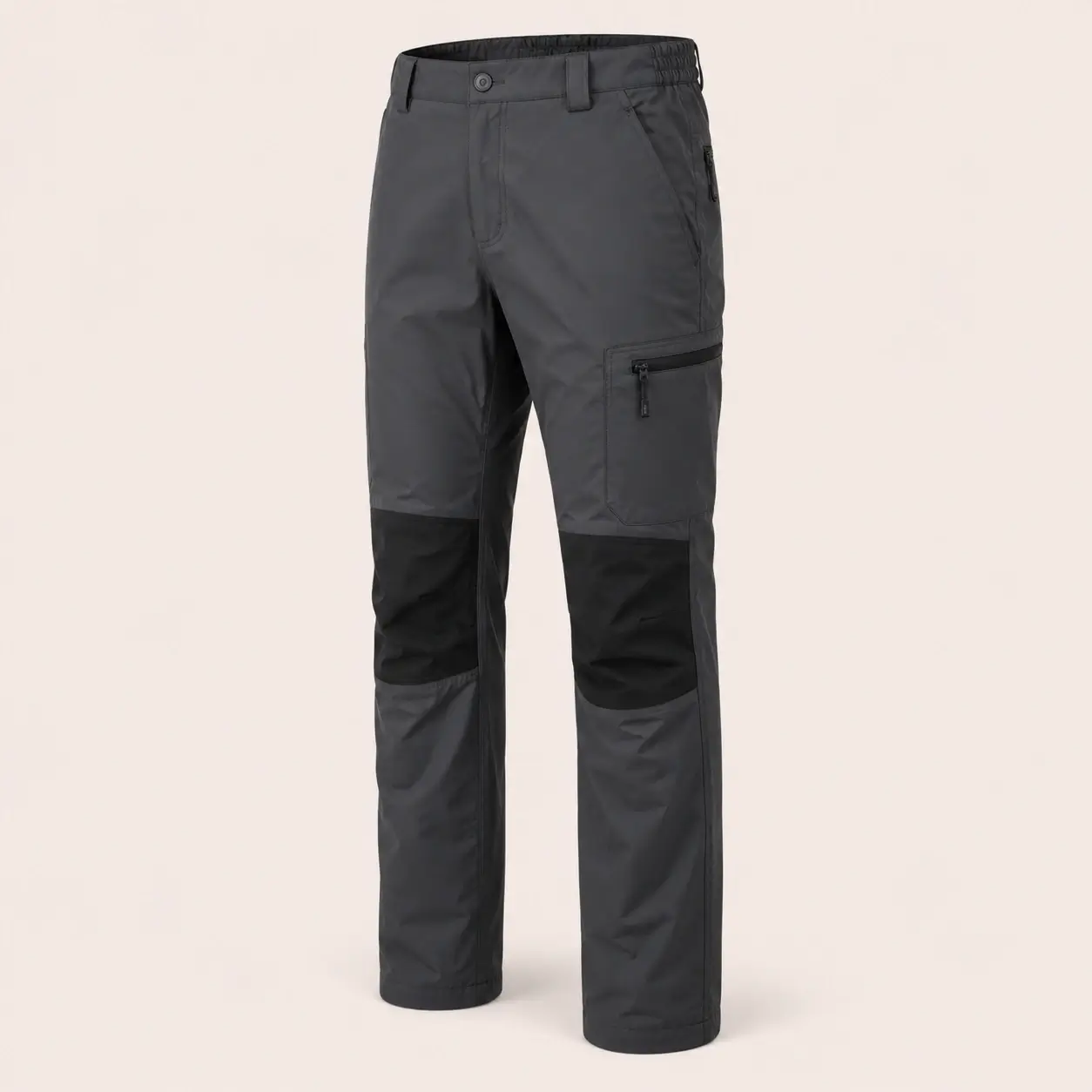
Trekking Pants available for rent

Trekking Pants

800
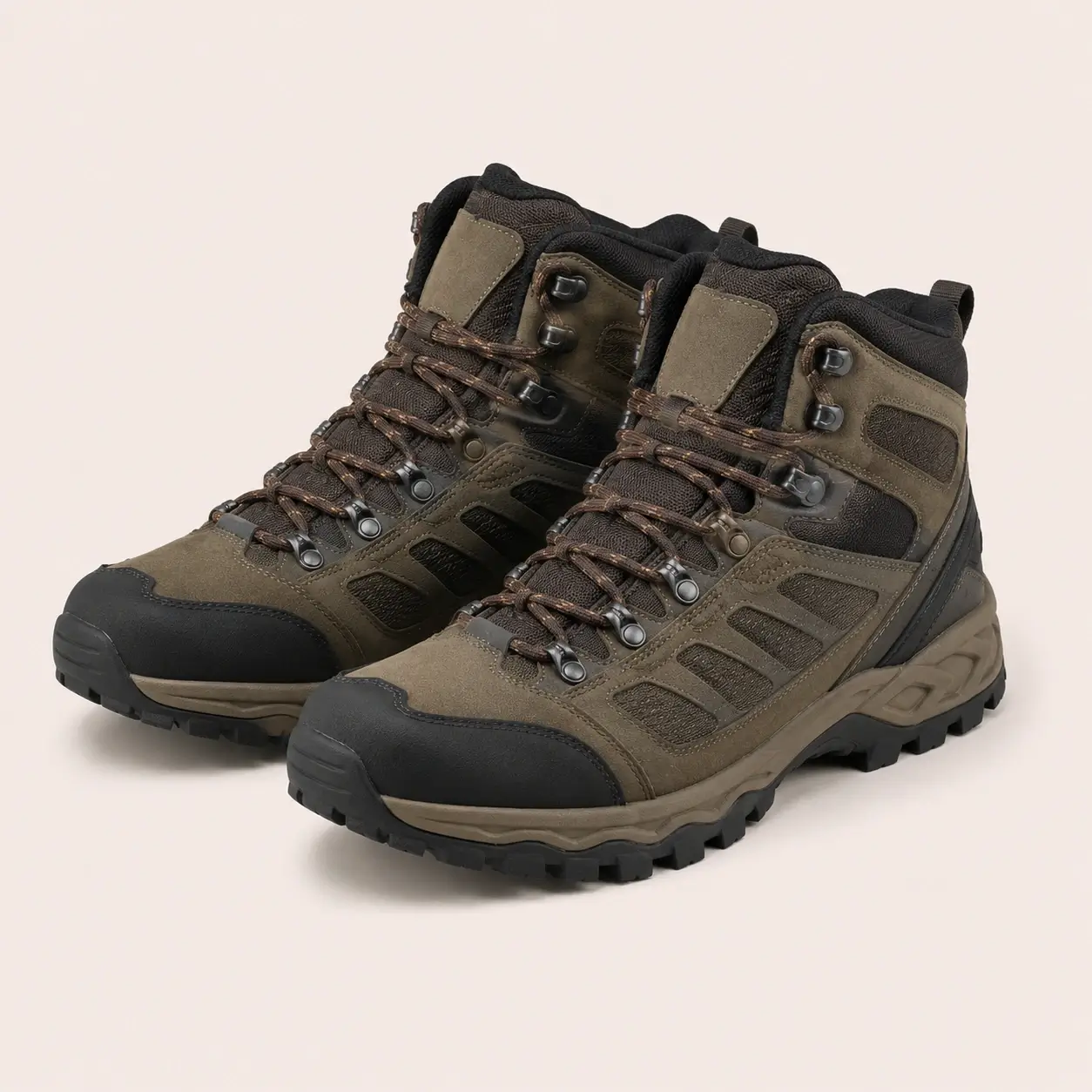
Trekking Shoes available for rent

Trekking Shoes

800
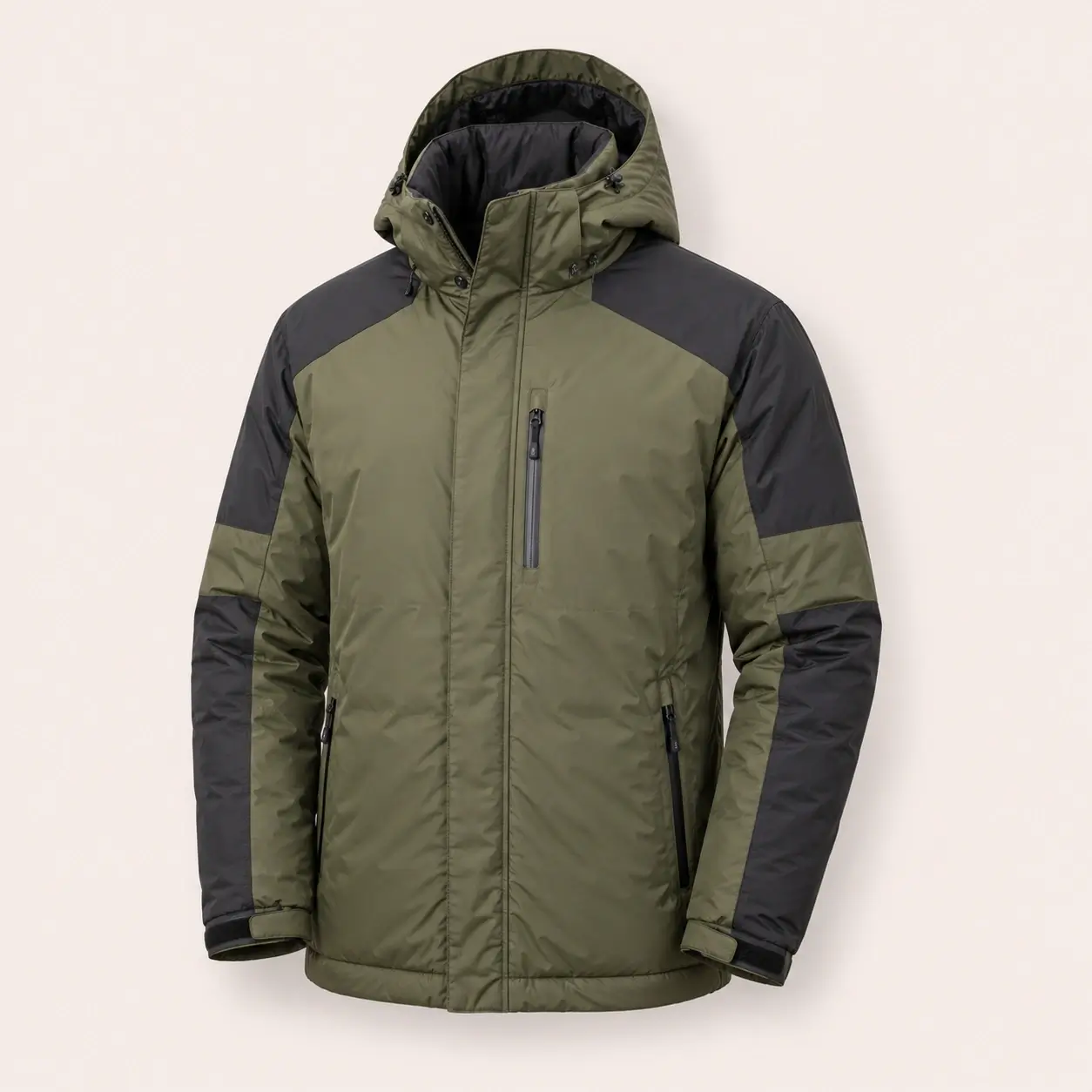
Jackets available for rent

Jackets

1000
Head Lamps available for rent

Head Lamps

250
Lunch Box available for rent

Lunch Box

250
Flasks available for rent

Flasks

300
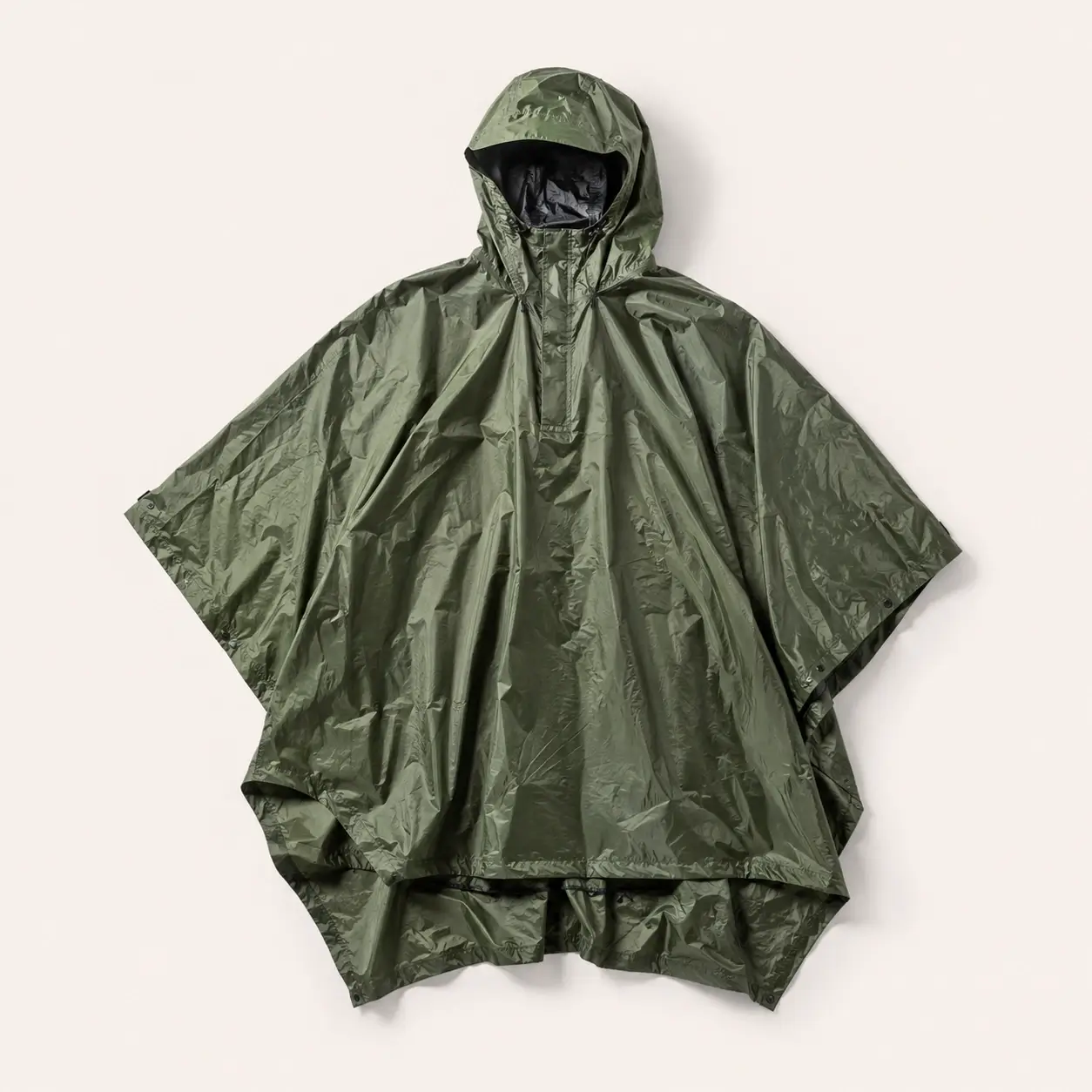
Rain Ponchos available for rent

Rain Ponchos

250
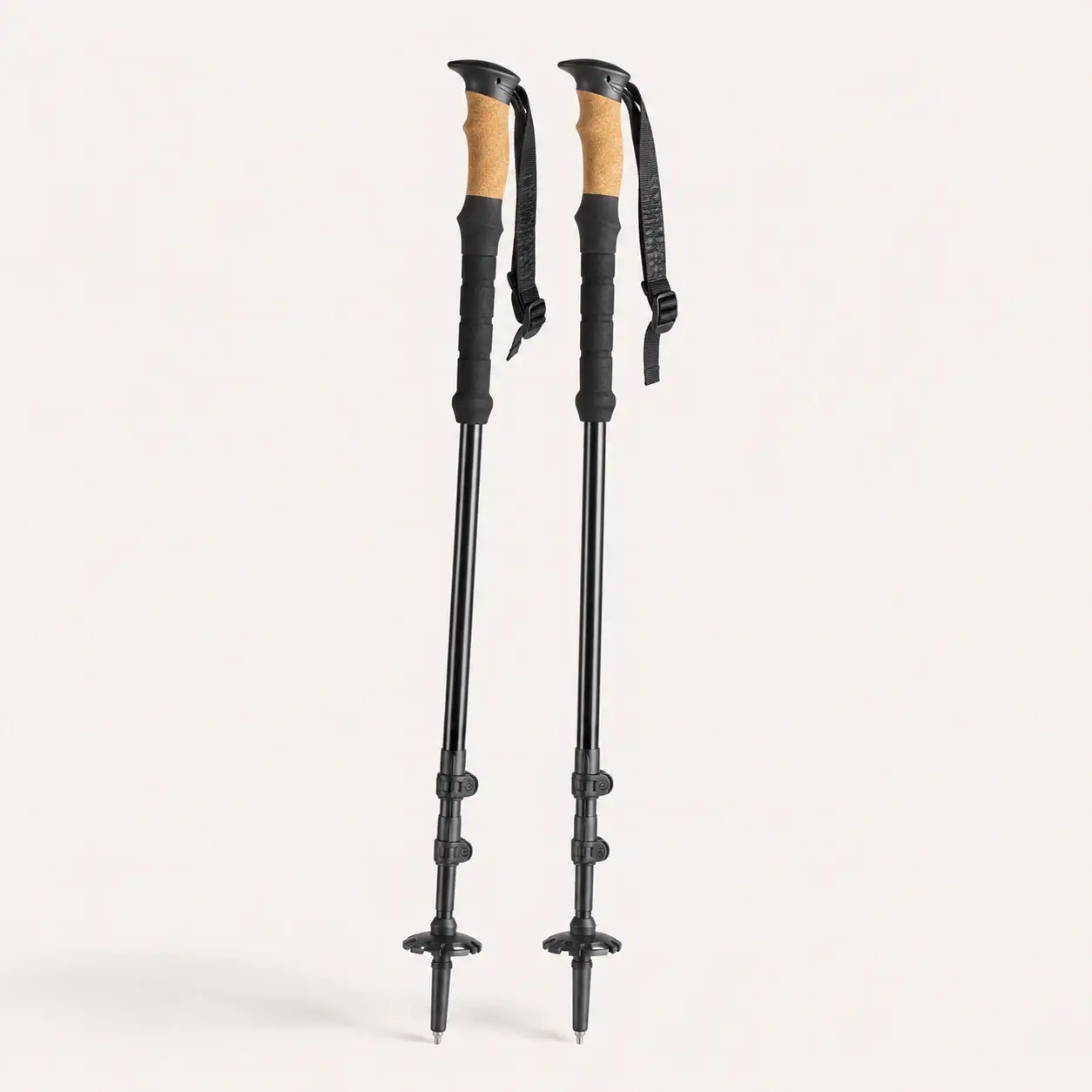
Trekking Poles available for rent

Trekking Poles

250