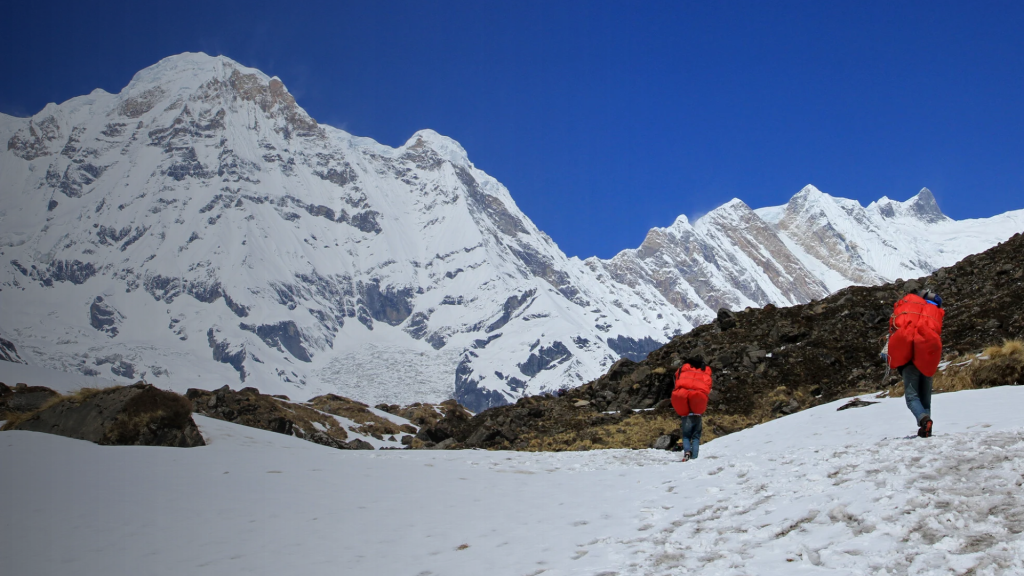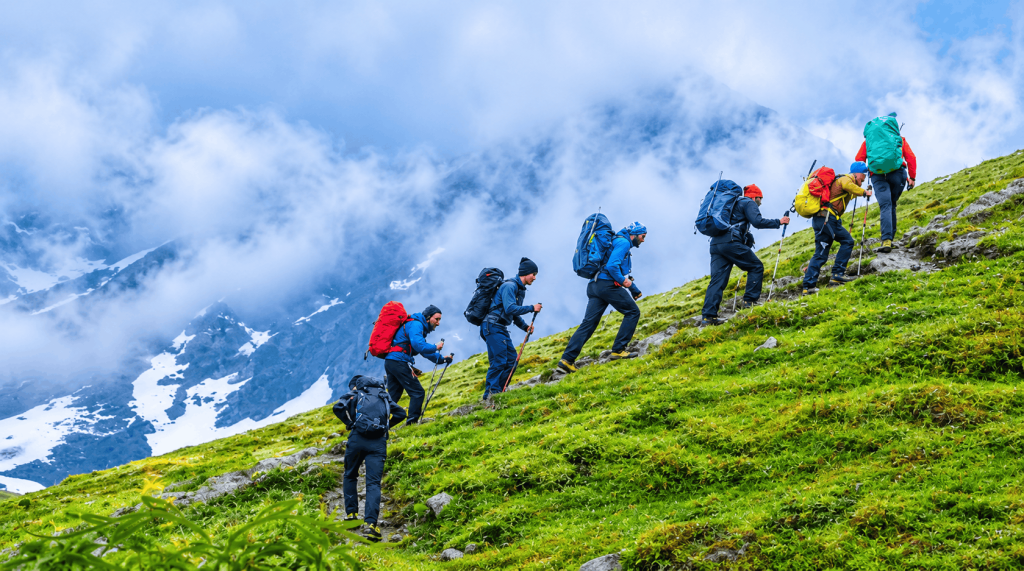

Winter trekking in the Himalayas is an unforgettable experience. Snow-covered mountains, frozen landscapes, beautiful pine forests, and peaceful trails make winter treks some of the most rewarding adventures in Uttarakhand. Popular winter treks such as Kuari Pass, Brahmatal, Pangarchulla Peak, and Monal Top offer breathtaking views of the Himalayan ranges.
However, trekking in winter requires more preparation than trekking in warmer months. Cold temperatures, snowfall, icy trails, and unpredictable weather can make the journey challenging, especially for beginners.
If you are planning your first winter adventure, this guide by The Mountain Hike will help you prepare for a safe, comfortable, and memorable Himalayan trekking experience.
1. Choose the Right Winter Trek
The first step is selecting a trek that matches your fitness level, experience, and available time. Not every winter trek is suitable for beginners, particularly those involving steep climbs, deep snow, or high-altitude passes.
Here are four popular winter treks in Uttarakhand to consider:
Kuari Pass Trek
Known for its spectacular views of Nanda Devi and other Himalayan peaks, Kuari Pass is a great option for trekkers looking for beautiful mountain scenery and a rewarding winter adventure.
Brahmatal Trek
Brahmatal is famous for its snow-covered forests, alpine landscapes, mountain views, and the beautiful Brahmatal Lake. It is a popular choice for winter trekking enthusiasts.
Pangarchulla Peak Trek
Pangarchulla is a more challenging adventure involving a steep ascent and potentially demanding snow conditions. It is better suited to trekkers with good fitness and appropriate preparation.
Monal Top Trek
Monal Top Trek offers a wonderful opportunity to explore the winter landscapes of Uttarakhand. Actual trail conditions and difficulty can vary depending on snowfall and weather.
Tip: Before booking, check the trek’s current conditions, altitude, duration, difficulty, and the experience required. A beginner-friendly trek can still become challenging during heavy snowfall.
2. Build Your Physical Fitness
Physical preparation is one of the most important parts of winter trekking. Cold weather, snow-covered trails, and uphill climbs can make walking more tiring than usual.
Ideally, begin training at least four to six weeks before your trek.
Recommended exercises:
- Walking: Start with 30–45 minutes of brisk walking and gradually increase the duration.
- Stair climbing: Helps develop the strength and endurance needed for uphill climbs.
- Squats and lunges: Strengthen your legs for climbing and descending.
- Cardio exercises: Cycling, jogging, or swimming can improve cardiovascular endurance.
- Practice hikes: If possible, walk on uneven terrain while carrying a lightly loaded backpack.
Increase your exercise gradually and allow enough time for recovery. If you have not exercised regularly, start with shorter sessions and build up your stamina.
Remember, you do not need to be an athlete to enjoy trekking. Consistent preparation and a realistic understanding of your limits make a big difference.
3. Wear the Right Clothing: Follow the Layering System
Proper clothing is essential for winter trekking. Wearing several appropriate layers helps retain body heat while allowing you to remove or add clothing as your activity level and the weather change.
Base Layer
The base layer sits next to your skin and helps manage sweat.
- Choose synthetic or merino wool thermal clothing.
- Avoid cotton because it retains moisture and can leave you feeling cold.
- Carry a spare dry base layer if your itinerary requires it.
Middle Layer
The middle layer provides insulation by trapping warm air.
- Fleece jackets are a practical choice.
- Lightweight insulated jackets can provide additional warmth.
- Choose insulation according to the expected temperature.
Outer Layer
The outer layer protects you from wind, snow, and rain.
- Carry a waterproof and windproof jacket.
- Waterproof trousers or rain protection can be useful in wet snow.
- Make sure your outer layers allow comfortable movement.
Essential Winter Accessories
Do not overlook the smaller items that protect exposed body parts.
- Warm gloves and waterproof outer mittens when needed
- Wool or synthetic trekking socks
- Warm beanie or balaclava
- Neck warmer
- Sunglasses with UV protection
- Sunscreen and lip balm
Important: Dress for the conditions, not just the forecast at your starting point. Temperatures and wind conditions can change significantly as you gain altitude.
4. Choose the Right Trekking Shoes
Your footwear can make or break your winter trekking experience.
For snowy Himalayan trails, choose sturdy trekking shoes with good ankle support, reliable grip, and sufficient room for your toes. They should fit comfortably with your trekking socks without making your feet feel tight.
Look for:
- A durable sole with good traction
- Water-resistant or waterproof construction
- Comfortable ankle support
- Adequate insulation through suitable socks and footwear
- A comfortable fit tested before the trek
Avoid wearing brand-new shoes directly on the trail. Break them in before departure to reduce the risk of blisters.
Depending on the snow and ice conditions, your trek leader may recommend microspikes, gaiters, or other traction equipment. These accessories are useful only when suitable for the terrain and used correctly.
5. Pack the Essential Winter Trekking Gear
A well-packed backpack keeps you prepared without making your journey unnecessarily difficult.
Use this checklist before leaving for your trek.
| Essential Item | Why You Need It |
| Trekking backpack | Carries your essentials comfortably |
| Water bottle or insulated flask | Helps you stay hydrated |
| Headlamp with spare batteries | Useful during early starts and emergencies |
| Sunglasses and sunscreen | Protect against intense sunlight and snow glare |
| Personal medicines | Supports your individual needs |
| Basic first-aid kit | Helps manage minor injuries |
| Power bank | Keeps your phone charged |
| Waterproof bags | Protects spare clothing and electronics |
| Trekking poles | Improve balance on uneven trails |
| Gloves, thermals, and extra socks | Help manage cold and wet conditions |
| Energy snacks | Provide convenient fuel during the hike |
| Identification and permits | Supports check-in and required formalities |
Pack light and carry only what you need. If your trekking company supplies sleeping bags, technical equipment, or other gear, confirm the inclusions before purchasing or packing duplicates.
6. Prepare Yourself for High Altitude
Winter treks often reach elevations where the body needs time to adjust to lower oxygen availability. Being physically fit does not eliminate the risk of altitude sickness.
To prepare for high altitude:
- Follow a suitable itinerary that allows appropriate acclimatization.
- Walk at a steady pace and avoid unnecessary rushing.
- Stay hydrated and eat regular meals.
- Avoid alcohol and sedatives during acclimatization.
- Inform your trek leader immediately if you develop a headache, nausea, unusual fatigue, dizziness, or other concerning symptoms.
Altitude sickness can become serious. If symptoms develop or worsen, do not continue ascending. Descend when necessary and seek medical assistance. Confusion, difficulty walking straight, or breathlessness at rest are emergency warning signs.
Do not take altitude medication without appropriate medical advice.
7. Learn How to Walk on Snow
Walking on snow requires a different approach from walking on a dry trail. Snow can be soft, slippery, uneven, or covered with hidden ice.
Keep these tips in mind:
- Take short, controlled steps.
- Maintain a comfortable pace rather than rushing.
- Use trekking poles to improve balance.
- Follow the trek leader’s instructions and established route.
- Use traction devices when the terrain and guide’s assessment call for them.
- Keep a safe distance from other trekkers on steep sections.
Avoid stepping onto unknown snow-covered slopes, cornices, or frozen lakes. Snow bridges can conceal streams and unstable ground, while frozen surfaces may not be strong enough to support your weight.
If conditions become unsafe, follow your trek leader’s decision to change the route, wait, or turn back.
8. Eat Well and Stay Hydrated
Your body uses energy to walk uphill and maintain its temperature in cold conditions. Good nutrition and regular hydration help you manage the physical demands of trekking.
Carry easy-to-eat snacks such as nuts, dry fruits, energy bars, and other foods suitable for your needs. Eat regular meals and drink water throughout the day, even when cold weather reduces your feeling of thirst.
An insulated flask can be useful in freezing temperatures. Avoid waiting until you feel extremely thirsty before drinking.
At campsites, eat enough food, change out of damp clothing, and prepare for the next day’s trek. Adequate rest is an important part of staying safe and enjoying the experience.
9. Check the Weather Before Departure
Mountain weather can change quickly, and snowfall may affect trail conditions, road access, and the feasibility of a summit attempt.
Before leaving for your trek:
- Check reliable weather forecasts for the trekking region.
- Ask your trekking operator about recent snowfall and trail conditions.
- Confirm road access, transport arrangements, and the latest itinerary.
- Check whether permits or local restrictions apply.
- Keep some flexibility in your travel schedule.
Do not rely on social media photographs or old trekking videos to judge current conditions. A trail that was easy to walk last week may be considerably more difficult after fresh snowfall or freezing rain.
A responsible trekking team will prioritize safety over reaching a particular viewpoint or summit.
10. Prepare for Camping in Freezing Temperatures
Spending a night in a winter campsite can be one of the most memorable parts of the journey, but it requires careful preparation.
Follow these practices:
- Keep a dry set of clothing for sleeping.
- Use the sleeping system supplied or recommended for the expected temperatures.
- Store spare clothes in waterproof bags.
- Change out of sweaty or wet layers before sleeping.
- Keep essential items accessible inside your tent.
- Follow campsite instructions for food, waste, and equipment.
Never use a stove, charcoal burner, or fuel-burning heater inside a tent or an enclosed sleeping area because of the risk of carbon monoxide poisoning and fire.
If you feel unusually cold, become confused, or experience uncontrollable shivering, inform your trek leader immediately. These may be signs of a cold-related medical emergency.
11. Prepare Your Mind for the Challenge
Winter trekking is not only a physical activity; it also requires patience, flexibility, and teamwork.
Some days may involve long climbs, cold winds, early starts, or changes to the itinerary. You may need to walk slowly, take breaks, or give up a planned summit attempt because of weather conditions.
To prepare mentally:
- Set realistic expectations.
- Focus on enjoying the journey instead of only reaching the summit.
- Listen to your trek leader.
- Support fellow trekkers and communicate your difficulties.
- Respect your physical limits.
The best trekking experience is not always the one that reaches the highest point. It is the one in which you explore responsibly, enjoy the mountains, and return safely.
12. Follow Responsible Trekking Practices
The Himalayan environment is beautiful but fragile. Winter conditions can make waste management and campsite practices even more important.
Follow the Leave No Trace principles:
- Carry your waste back and dispose of it responsibly.
- Avoid disturbing wildlife.
- Stay on designated or guide-approved trails.
- Do not damage vegetation or remove natural objects.
- Respect local communities, traditions, and campsite rules.
- Avoid loud music and unnecessary disturbance in natural areas.
Choose a trekking operator that emphasizes trained guides, suitable equipment, emergency planning, responsible waste management, and realistic safety decisions.
Winter Trek Preparation Checklist
Before departure, make sure you have completed these essential tasks.
- [ ] Selected a trek appropriate for my experience and fitness.
- [ ] Completed several weeks of physical preparation.
- [ ] Arranged suitable trekking shoes and warm clothing.
- [ ] Packed essential equipment and personal medicines.
- [ ] Checked the weather and recent trail conditions.
- [ ] Confirmed the itinerary, inclusions, and required permits.
- [ ] Understood altitude-related warning signs.
- [ ] Shared my travel plans with family or friends.
- [ ] Prepared for possible itinerary changes.
- [ ] Chosen a responsible trekking team.
Best Winter Treks to Explore with The Mountain Hike
If you are planning a Himalayan winter adventure, explore these popular options with The Mountain Hike:
- Kuari Pass Trek: For panoramic Himalayan mountain views.
- Brahmatal Trek: For snow-covered forests, alpine scenery, and winter landscapes.
- Pangarchulla Peak Trek: For a more demanding high-altitude adventure.
- Monal Top Trek: For exploring the beautiful winter terrain of Uttarakhand.
Trek availability, snowfall, difficulty, and route conditions vary throughout the season. Contact The Mountain Hike for current departure dates, itineraries, inclusions, and preparation guidance.
Conclusion
Preparing for a winter trek is about much more than packing a warm jacket. It means building your fitness, selecting appropriate equipment, understanding high-altitude risks, checking the weather, and being mentally ready for changing mountain conditions.
With the right preparation, a winter trek can introduce you to the incredible beauty of the Himalayas and create memories that last a lifetime.
Ready to experience the magic of the Himalayas this winter?
Explore winter trekking adventures with The Mountain Hike and find the journey that suits you.
Website: https://themountainhike.com
Call or WhatsApp: +91 90713 58624 | +91 89799 22625
The mountains are waiting. Prepare well, trek responsibly, and make your next winter adventure unforgettable.