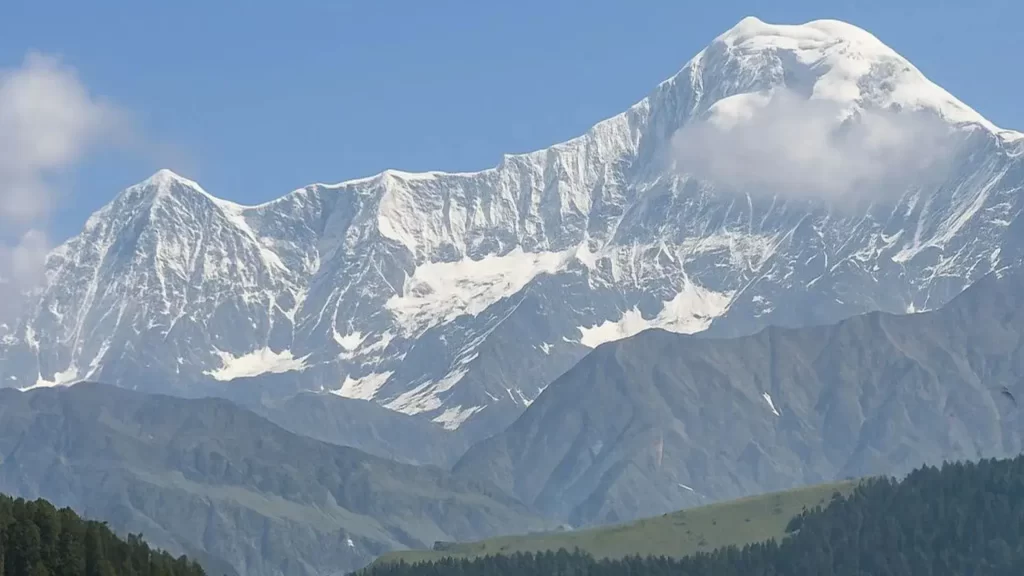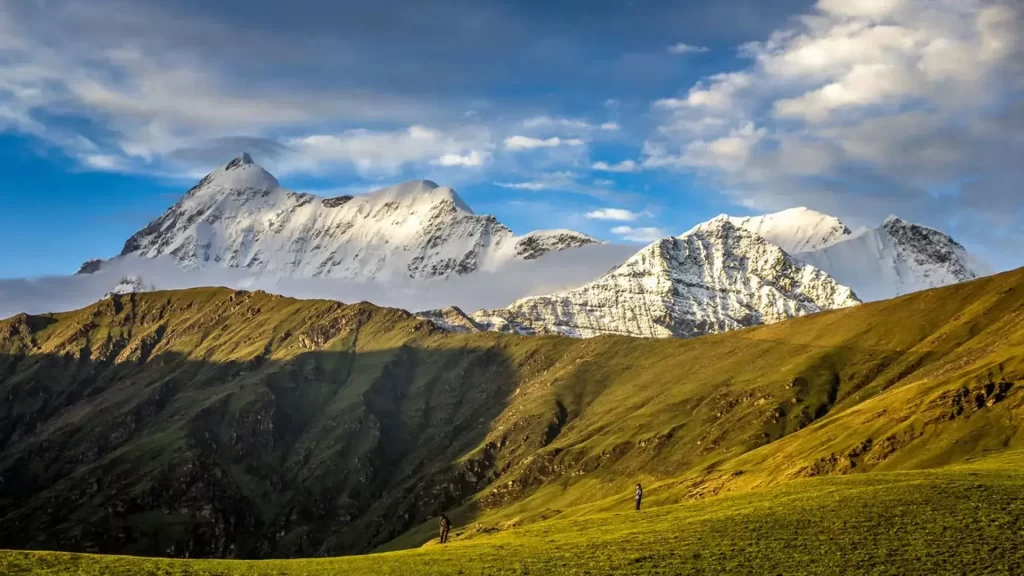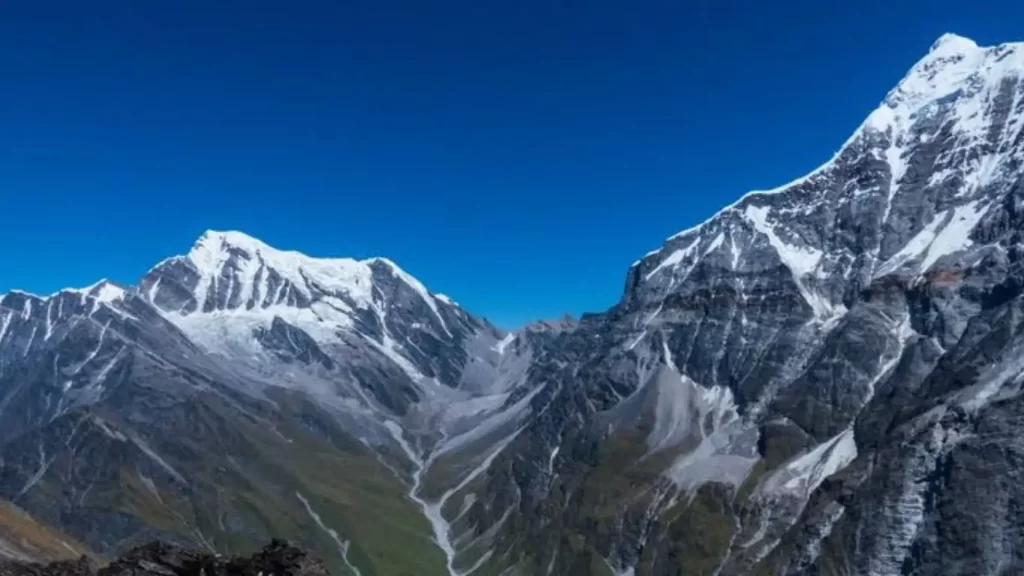

The Himalayas are much more than a destination for trekking and adventure. They are a vast ecological and cultural landscape that supports forests, rivers, wildlife, mountain communities, agriculture, and tourism. Every year, thousands of travelers visit Himalayan trails to experience high-altitude landscapes, alpine meadows, forests, remote villages, and some of India’s most beautiful mountain regions.
With the growing popularity of Himalayan trekking, the relationship between tourism and environmental protection has become increasingly important. More visitors can create employment and income for mountain communities, but unmanaged tourism can also increase pressure on fragile ecosystems.
This is why sustainable Himalayan tourism is becoming an important part of tourism planning in India. Government policies, environmental programs, local communities, tourism businesses, and responsible travelers all have a role to play in protecting the mountains.
What Is the Himalayan Trekking Ecosystem?
The Himalayan trekking ecosystem includes much more than mountains and trekking trails. It is a connected system involving the natural environment, local communities, tourism businesses, infrastructure, wildlife, and the people who depend on the region.
Important parts of this ecosystem include:
- High-altitude mountains and glaciers
- Forests and alpine meadows
- Rivers, streams, and watersheds
- Wildlife and biodiversity
- Mountain villages and local communities
- Trek leaders, guides, porters, cooks, and other support staff
- Homestays and local accommodation
- Transportation services
- Tourism and adventure businesses
Popular trekking destinations such as Valley of Flowers, Roopkund, Ali Bedni Bugyal, Brahmatal, Har Ki Dun, Kedarkantha, Kuari Pass, and Pangarchulla are connected to this wider Himalayan system.
A change in one part of the ecosystem can affect the others. For example, an increase in visitors can create more employment for local communities but can also increase waste, water consumption, transportation pressure, and trail erosion.
Why Is the Himalayan Ecosystem Important?
The Himalayan region has major ecological, economic, and cultural importance.
Its glaciers, snowfields, rivers, forests, and wetlands are closely connected to water resources and mountain livelihoods. The region also contains diverse habitats supporting species such as the snow leopard, Himalayan monal, musk deer, Himalayan black bear, and many species of alpine plants.
The mountains are equally important for local communities. Agriculture, livestock, handicrafts, pilgrimage, tourism, and other activities contribute to rural livelihoods.
For this reason, protecting the Himalayan ecosystem is not only about protecting scenery. It is also about protecting biodiversity, water resources, local cultures, and economic opportunities.
Growth of Himalayan Trekking in India
Trekking has become an important part of India’s adventure and nature-based tourism sector. Better connectivity, digital travel information, social media, and growing interest in outdoor experiences have made Himalayan destinations more visible to travelers.
Trekking can create employment opportunities for:
- Local guides
- Trek leaders
- Porters
- Cooks
- Homestay owners
- Drivers
- Equipment providers
- Local shopkeepers
- Tourism operators
This economic connection makes responsible tourism especially important. When tourism is managed well, local communities can participate in the tourism economy while helping preserve the landscapes that attract visitors.
How Trekking Affects the Himalayas
Tourism can bring important economic benefits, but increasing visitor numbers can also create environmental pressure if tourism is poorly managed.
Waste and Plastic Pollution
Food packaging, plastic bottles, disposable items, and other waste can become a serious problem on busy trails.
Waste management becomes more difficult in remote mountain areas because collection, transportation, and disposal facilities may be limited.
Trail Erosion
Repeated foot traffic can damage vegetation and increase soil erosion, particularly on steep or fragile sections of a trail.
Alpine meadows and high-altitude vegetation can take a long time to recover from repeated disturbance.
Pressure on Water and Energy
Growing tourism increases demand for drinking water, cooking fuel, electricity, accommodation, and other resources.
In remote destinations, these resources may already be limited.
Wildlife Disturbance
Noise, litter, off-trail movement, and increased human activity can affect wildlife habitats and movement patterns.
Responsible trekking therefore requires visitors to maintain distance from wildlife and avoid unnecessary disturbance.
Climate Change
Climate change adds another layer of pressure to the Himalayan environment.
Changes in temperature, snowfall, precipitation, glaciers, water availability, and extreme weather can affect ecosystems as well as mountain communities and tourism.
Understanding these changes is one reason scientific research and climate-monitoring programs are important for the Indian Himalayan Region.
Government Initiatives for Sustainable Tourism
The Government of India and Himalayan states have introduced policies and programs that address tourism development, sustainability, adventure tourism, environmental protection, and local participation.
These initiatives do not all focus specifically on trekking, but together they influence how tourism destinations can be developed and managed.
Swadesh Darshan 2.0
The Swadesh Darshan Scheme was introduced by the Ministry of Tourism to support tourism infrastructure and destination development.
The scheme has since been revamped as Swadesh Darshan 2.0, which focuses on integrated and sustainable development of tourism destinations in partnership with States, Union Territories, and local governments.
A key objective is to promote destinations as more sustainable and responsible tourism areas rather than focusing only on infrastructure expansion. The Ministry has also described Challenge Based Destination Development as a component aimed at holistic destination development across the tourism value chain.
For Himalayan destinations, this approach is relevant because tourism infrastructure needs to be developed while considering the environmental sensitivity of mountain regions.
National Strategy for Sustainable Tourism
The Ministry of Tourism has a National Strategy for Sustainable Tourism 2022, which provides a framework for making tourism more environmentally, economically, and socially responsible. The Ministry’s current guidelines page also lists the National Strategy for Sustainable Tourism, National Strategy for Adventure Tourism, and National Strategy for Eco Tourism among its tourism policy documents.
Sustainable tourism focuses on balancing:
- Environmental protection
- Economic benefits
- Local employment
- Cultural preservation
- Responsible visitor behavior
- Long-term destination management
These principles are particularly important for Himalayan tourism because many mountain destinations have limited infrastructure and sensitive ecosystems.
National Strategy for Adventure Tourism
Trekking falls within the wider adventure tourism sector.
The Ministry of Tourism lists the National Strategy for Adventure Tourism 2022 and the Indian Adventure Tourism Guidelines among its official tourism guidelines. These frameworks are intended to support the development of adventure tourism with attention to safety, standards, responsible practices, and destination management.
For trekking operators and travelers, adventure tourism planning can involve areas such as:
- Safety management
- Risk assessment
- Training
- Emergency preparedness
- Equipment
- Responsible operations
- Environmental awareness
The exact requirements can vary depending on the activity, location, and applicable state regulations.
National Strategy for Eco Tourism
Eco-tourism is particularly relevant to Himalayan destinations because many trekking routes pass through forests, protected landscapes, wildlife habitats, and environmentally sensitive areas.
The Ministry of Tourism’s official guidelines include a National Strategy for Eco Tourism 2022, reflecting the broader policy focus on developing tourism while considering environmental and community concerns.
Eco-tourism is not simply about visiting a natural destination. It also involves responsible visitor behavior, conservation awareness, community participation, and reducing negative environmental impacts.
Travel for LiFE
Another important sustainability initiative is Travel for LiFE, launched by the Ministry of Tourism under Mission LiFE.
The program aims to encourage behavioral changes among tourists and tourism businesses so that travel has a lower environmental impact. The NIDHI+ platform also provides a mechanism for tourism businesses and destinations to participate in sustainability-related certification.
For Himalayan travelers, the principles behind such initiatives can translate into simple actions such as reducing waste, saving water and energy, avoiding unnecessary plastic, and respecting local ecosystems.
National Mission for Sustaining the Himalayan Ecosystem
The National Mission for Sustaining the Himalayan Ecosystem (NMSHE) is one of the missions under India’s National Action Plan on Climate Change.
The mission was launched in 2008 and focuses on strengthening scientific knowledge, institutions, climate research, vulnerability assessment, capacity building, and community sensitization related to the Indian Himalayan Region. The current NMSHE program covers the Himalayan states and Union Territories through research institutions and State Climate Change Cells.
This is important for the trekking sector because climate and environmental changes can affect trails, water availability, biodiversity, weather patterns, and mountain communities.
Uttarakhand’s Approach to Sustainable Tourism
Uttarakhand is one of India’s most important Himalayan tourism destinations, with a combination of pilgrimage, trekking, wildlife, nature, cultural, and adventure tourism.
The Uttarakhand Tourism Policy 2023 recognizes sustainable tourism as a major principle for tourism development. The policy discusses environmental protection, socio-cultural authenticity, economic benefits for local communities, and reducing negative tourism impacts.
The policy also discusses measures such as waste management, water conservation, renewable energy, community participation, and reducing pressure on highly concentrated tourism areas.
Uttarakhand Tourism also maintains dedicated policy and guideline resources covering areas such as tourism registration, homestays, and trekking-related initiatives.
Supporting Local Communities Through Tourism
Local communities are an important part of the Himalayan trekking ecosystem.
Villages located near trekking routes can provide accommodation, food, transportation, guiding, portering, equipment, and other services.
Uttarakhand’s homestay initiatives, including the Deen Dayal Upadhyaya Grah Aawas Vikas Yojna, are intended to support local accommodation and provide additional economic opportunities for residents.
When travelers use local services, purchase locally produced goods, and stay in community-based accommodation where appropriate, a larger share of tourism spending can remain within mountain communities.
Sustainable tourism therefore has both an environmental and economic dimension.
Popular Himalayan Treks and Their Ecosystems
Uttarakhand offers a wide range of trekking landscapes, including forests, alpine meadows, high-altitude passes, valleys, and pilgrimage routes.
Some well-known examples include:
- Roopkund Trek – known for its high-altitude landscape and alpine environment
- Ali Bedni Bugyal Trek – famous for its expansive Himalayan meadows
- Valley of Flowers Trek – known for its alpine flowers and surrounding mountain landscape
- Brahmatal Trek – known for forest trails, alpine terrain, and winter landscapes
- Kuari Pass Trek – known for Himalayan mountain views and forest-to-meadow trails
- Pangarchulla Peak Trek – a high-altitude adventure route in the Garhwal Himalayas
- Har Ki Dun Trek – known for its valley landscapes and traditional villages
- Kedarkantha Trek – a popular winter trekking destination
- Bali Pass Trek – a challenging high-altitude route connecting remote Himalayan landscapes
- Dayara Bugyal Trek – known for its broad alpine meadows and mountain views
Each destination has different environmental conditions, visitor pressure, infrastructure, and conservation requirements.
This means that sustainable trekking in India cannot follow exactly the same approach everywhere. Local conditions and carrying capacity need to be considered.
The Role of Trekking Companies and Guides
Tour operators, guides, trek leaders, and support teams have an important role in responsible Himalayan tourism.
Good trekking practices can include:
- Educating travelers about local environmental rules
- Managing waste responsibly
- Avoiding unnecessary disturbance to wildlife
- Following designated routes
- Respecting local communities
- Preparing for changing mountain weather
- Following applicable permits and regulations
- Encouraging travelers to reduce plastic use
The role of a trekking company should therefore extend beyond organizing a journey. Responsible operators can also help travelers understand why protecting the trail and supporting local communities matters.
What Can Trekkers Do?
Travelers do not need to make major changes to contribute to sustainable Himalayan tourism. Small decisions can have a meaningful collective impact.
Carry Reusable Items
Use a reusable water bottle and avoid unnecessary disposable plastic.
Follow Marked Trails
Do not create shortcuts through meadows or vegetation. Staying on established trails helps reduce erosion and habitat disturbance.
Carry Back Your Waste
Anything carried into the mountains should be managed responsibly. Avoid leaving wrappers, bottles, tissues, or other waste behind.
Respect Local Culture
Many Himalayan villages and trails have strong religious and cultural traditions. Dress appropriately, follow local instructions, and ask before photographing people or religious activities.
Support Local Businesses
Where practical, choose local guides, homestays, shops, transport providers, and locally made products.
Respect Wildlife
Do not feed animals, chase them for photographs, make excessive noise, or approach wildlife closely.
Why Sustainable Trekking Matters
The popularity of Himalayan trekking is unlikely to mean much if the landscapes that attract travelers are gradually damaged by unmanaged tourism.
A healthy trekking ecosystem needs a balance between three major elements:
Nature + Local Communities + Responsible Tourism
Environmental conservation protects the mountains. Local participation ensures that communities benefit from tourism. Responsible travelers and tourism businesses help reduce unnecessary pressure on natural resources.
Government policies can provide frameworks and infrastructure, but their success also depends on implementation, local participation, tourism businesses, and traveler behavior.
The Mountain Hike and Responsible Himalayan Travel
At The Mountain Hike, we believe trekking should involve respect for the mountains as well as the experience of exploring them.
Our approach to Himalayan travel focuses on responsible adventure, local knowledge, safety, and respect for mountain communities and natural surroundings.
Whether a journey takes you through an alpine meadow, a forest trail, a remote village, or a high Himalayan pass, responsible travel helps protect these places for the future.
Frequently Asked Questions
What is the Himalayan trekking ecosystem?
The Himalayan trekking ecosystem includes the natural environment, wildlife, forests, water resources, local communities, trekking routes, tourism businesses, infrastructure, and economic activities connected with trekking.
Why is sustainable Himalayan tourism important?
Sustainable Himalayan tourism helps balance tourism development with environmental protection, local livelihoods, cultural preservation, and responsible use of natural resources.
What are the major challenges of Himalayan trekking?
Major challenges include waste management, trail erosion, pressure on water and other resources, wildlife disturbance, infrastructure pressure, and the effects of climate change.
What is Swadesh Darshan 2.0?
Swadesh Darshan 2.0 is the revamped destination-development approach of the Ministry of Tourism. It focuses on integrated development of tourism destinations and promotes sustainable and responsible tourism.
What is the National Strategy for Sustainable Tourism?
It is a Ministry of Tourism framework for promoting more sustainable tourism development, with attention to environmental, economic, and social aspects of tourism.
What is NMSHE?
The National Mission for Sustaining the Himalayan Ecosystem is a climate and ecosystem-focused mission under India’s National Action Plan on Climate Change. It supports research, capacity building, vulnerability assessment, and community sensitization across the Indian Himalayan Region.
How can trekkers help protect the Himalayas?
Trekkers can reduce plastic use, carry waste back, stay on designated trails, conserve water, respect wildlife and local culture, and support local communities.
How does trekking benefit Himalayan communities?
Trekking can create income and employment through guiding, portering, accommodation, food services, transportation, local shops, and other tourism-related activities.
What is responsible trekking?
Responsible trekking means exploring mountain areas while minimizing environmental impact, respecting local communities and cultures, following applicable rules, and supporting conservation and sustainable tourism practices.
Conclusion
The Himalayan trekking ecosystem is a complex connection between nature, people, culture, and tourism. Trekking provides opportunities for adventure and discovery, while also creating employment and income for communities in remote mountain areas.
At the same time, the fragile nature of Himalayan landscapes means tourism must be managed responsibly.
Government initiatives such as Swadesh Darshan 2.0, the National Strategy for Sustainable Tourism, the National Strategy for Adventure Tourism, Travel for LiFE, and the National Mission for Sustaining the Himalayan Ecosystem represent different parts of India’s wider approach to tourism development, sustainability, and Himalayan environmental protection.
For Uttarakhand, sustainable tourism policies also emphasize environmental protection, community participation, cultural preservation, and long-term economic benefits.
Ultimately, protecting the Himalayas is a shared responsibility. Governments can create policies, local communities can protect and manage their surroundings, tourism businesses can operate responsibly, and travelers can make better choices.
The Himalayas are not simply a place to visit. They are a living ecosystem—and responsible trekking is one way we can help ensure that their forests, meadows, rivers, wildlife, and communities continue to thrive for generations to come.