
Preparing for a Himalayan trek requires physical fitness, proper trekking gear, knowledge of high-altitude safety, and an understanding of mountain weather. Beginners should ideally start training 4–8 weeks before their trek, depending on their current fitness level and the difficulty of the route.
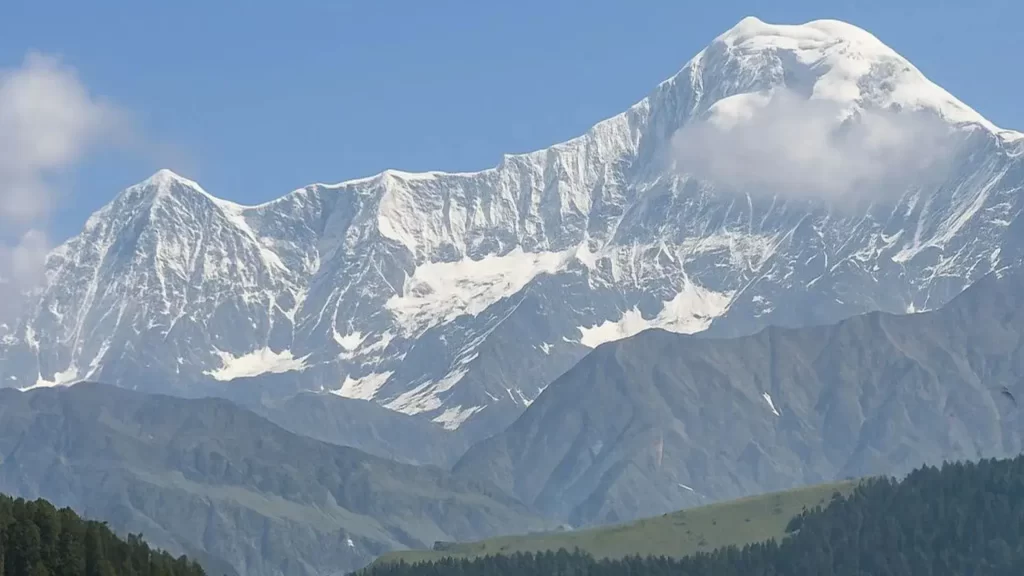
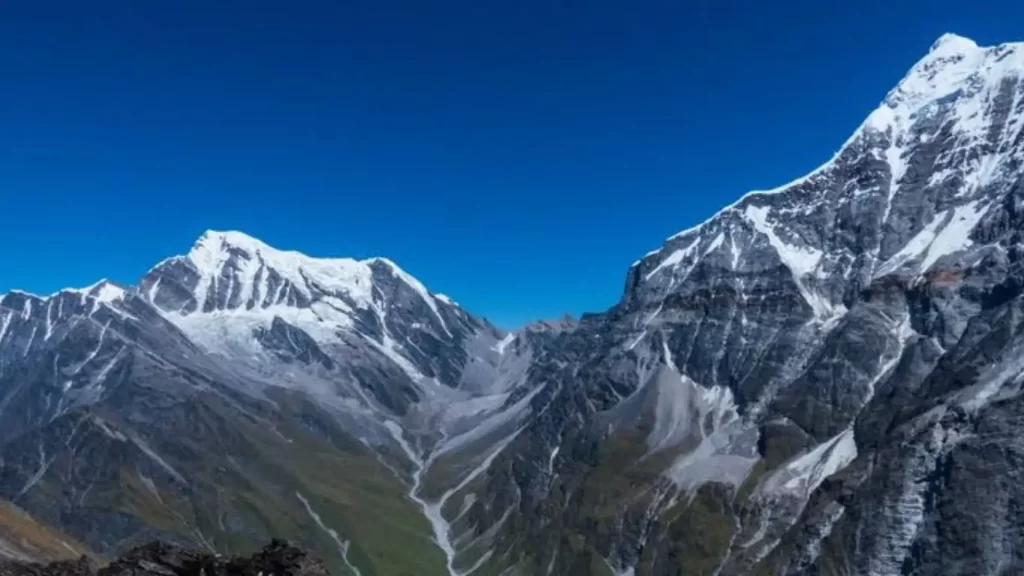
The Indian Himalayas offer some of the most beautiful trekking experiences, from the lush alpine meadows of Ali Bedni Bugyal and Dayara Bugyal to the snow-covered trails of Kedarkantha, Brahmatal, Kuari Pass, and Pangarchulla. Each trek offers a different landscape, difficulty level, and seasonal experience.
However, a successful Himalayan adventure involves more than reaching a beautiful viewpoint. Proper preparation helps you manage long walking days, changing temperatures, uneven trails, and the physical demands of trekking at altitude.
Whether you are planning your first mountain adventure or preparing for a challenging high-altitude route, this complete guide by The Mountain Hike covers everything you need to know before starting your Himalayan trek.
1. Choose the Right Himalayan Trek
Choosing the right route is the first step in planning a successful Himalayan trekking experience. Your decision should depend on your fitness level, previous trekking experience, available time, preferred season, and comfort with challenging terrain.
Some Himalayan treks feature gradual climbs and open meadows, while others involve steep ascents, long walking days, snow-covered trails, and high mountain passes.
Best Himalayan Treks for Beginners
If you are new to trekking, consider routes that match your fitness level and the current difficulty rating provided by a reliable trekking operator.
- Dayara Bugyal Trek: Known for its beautiful alpine meadows, forest trails, and Himalayan scenery.
- Kedarkantha Trek: Popular for its forest campsites, mountain views, and winter trekking experience.
- Brahmatal Trek: Offers scenic mountain views, forest paths, and the possibility of snow during winter.
- Ali Bedni Bugyal Trek: Famous for its expansive meadows and views of the Garhwal Himalayas.
Himalayan Treks for Experienced Hikers
Once you have developed your fitness and gained trekking experience, you may consider more demanding routes such as:
- Kuari Pass Trek: Known for panoramic views of prominent Himalayan peaks.
- Pangarchulla Peak Trek: A challenging trek that can become more demanding in snowy conditions.
- Roopkund Trek: A high-altitude route requiring careful planning and verification of current access conditions.
- Har Ki Dun Trek: Features forest trails, mountain valleys, and traditional Himalayan villages.
- Bali Pass Trek: A demanding high-altitude route suited to experienced trekkers.
- Ronti Saddle Trek: A challenging expedition requiring suitable fitness, experience, and careful logistical planning.
Before booking, check the trek’s duration, maximum altitude, daily walking distance, elevation gain, difficulty level, weather conditions, and fitness requirements. Trek difficulty can change considerably with snow, rain, and other local conditions.
2. Start Your Fitness Preparation Early
You do not need to be an athlete to complete a Himalayan trek, but you should prepare your body for several hours of walking, uphill climbs, and downhill descents.
For many beginners, starting a training routine 4–8 weeks before the trek is a useful target. More demanding routes may require a longer preparation period.
Walking and Endurance Training
Begin with regular brisk walks and gradually increase the distance and duration. Longer walks on weekends can help you become comfortable spending several hours on your feet.
If possible, practise walking on uneven ground and gentle uphill trails to prepare for the terrain you may encounter.
Strength Training
Strong legs and a stable core help support your body during ascents and descents. Include exercises such as:
- Squats
- Lunges
- Step-ups
- Calf raises
- Glute bridges
- Planks
Start with a manageable routine and gradually increase the repetitions as your fitness improves.
Cardio Exercises
Running, cycling, swimming, and brisk walking can help improve cardiovascular endurance. Choose activities that suit your current fitness level and build consistency over time.
Stair Climbing
Stair climbing is useful for preparing your legs for uphill sections. Start with a comfortable number of repetitions and gradually increase the duration or number of floors.
Beginner tip: Avoid exhausting workouts immediately before departure. Gradual training, sufficient recovery, and consistent practice are more useful than trying to improve your fitness at the last minute.
3. Understand High-Altitude Safety
High altitude is one of the most important considerations when preparing for a Himalayan trek. As elevation increases, the reduced availability of oxygen can affect the way your body functions.
Some trekkers develop acute mountain sickness (AMS), which can cause symptoms such as:
- Headache
- Nausea or vomiting
- Dizziness
- Unusual tiredness
- Reduced appetite
- Difficulty sleeping
These symptoms should not be ignored or automatically attributed to physical exertion.
How to Reduce Altitude-Related Risks
Follow these important precautions when trekking at higher elevations:
- Follow the recommended ascent and acclimatization schedule.
- Walk at a comfortable pace and avoid overexertion.
- Tell your trek leader immediately if you develop symptoms.
- Do not continue ascending if altitude sickness is suspected.
- Seek medical assessment if symptoms develop or worsen.
- Follow professional advice about stopping the ascent or descending.
Severe breathlessness at rest, confusion, loss of coordination, or worsening symptoms require urgent medical attention and descent with appropriate assistance.
Physical fitness does not eliminate the risk of altitude sickness. Hydration and a comfortable walking pace are helpful, but they cannot guarantee prevention.
If you have previously experienced altitude sickness or have a medical concern that may affect your trek, consult a healthcare professional before departure.
4. Pack the Essential Gear for a Himalayan Trek
Packing the right equipment helps you stay comfortable and prepared for changing weather. Your packing list should depend on the trek’s duration, altitude, season, accommodation arrangements, and expected trail conditions.
Essential Trekking Clothing
Pack suitable clothing for both walking and resting at camp.
- Quick-dry T-shirts
- Trekking pants
- Thermal innerwear for cold conditions
- Fleece jacket or insulating mid-layer
- Down or synthetic insulated jacket
- Waterproof and windproof jacket
- Warm socks
- Gloves
- Woollen cap
- Sun cap
Footwear and Trekking Equipment
- Comfortable trekking shoes with suitable grip
- Camp footwear
- Backpack appropriate for your expected load
- Headlamp or torch
- Reusable water bottle
- Sunglasses
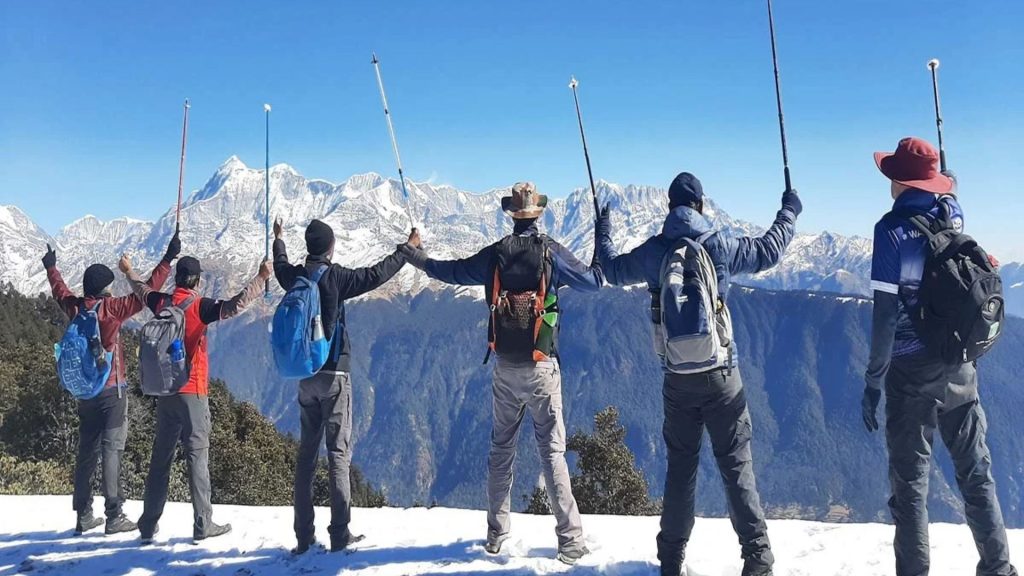
- Trekking poles, if recommended for your route
Personal Essentials
- Sunscreen
- Lip balm
- Personal medicines
- Basic first-aid supplies
- Toiletries and a small towel
- Power bank
- Government-issued identification
- Required permits or travel documents
- Lightweight snacks
Winter trekking may require additional insulation and snow-specific equipment. Confirm your final packing list with your trekking operator before departure.
5. Choose Comfortable Trekking Shoes
Trekking shoes are among the most important items to prepare before a Himalayan adventure. Poorly fitting footwear can lead to blisters, discomfort, and difficulty walking over uneven terrain.
When choosing trekking shoes, look for:
- A comfortable fit with adequate toe room
- Good grip for the expected trail conditions
- Suitable stability and support
- Adequate cushioning
- Protection from rough ground and moisture
Always break in your trekking shoes during training walks before the trip. Wear the socks you intend to use on the trek so you can check the fit properly.
For snowy or icy routes, ordinary trekking shoes may not be enough. Ask your trekking operator whether waterproof footwear, gaiters, traction devices, or other snow equipment is necessary.
6. Learn the Layering System
Mountain weather can change quickly. You might begin your trek in freezing morning temperatures and later find yourself walking under strong sunlight.
The layering system allows you to adjust your clothing according to the weather and your activity level.
Base Layer
The base layer sits next to your skin and helps manage moisture. Quick-drying synthetic fabrics or suitable merino wool can be useful options.
Middle Layer
The middle layer provides warmth. A fleece jacket or lightweight insulated jacket can help retain body heat.
Outer Layer
The outer layer protects you from wind and precipitation. Carry a suitable waterproof jacket when rain or snow is possible.
Layering gives you more flexibility than relying on a single heavy jacket. Add or remove layers as needed, and avoid remaining in wet clothing for extended periods in cold conditions.
7. Stay Hydrated During the Trek
Hydration supports normal body function during long walking days. In cold weather, you may feel less thirsty even though your body continues to lose fluids through breathing, sweating, and physical activity.
To manage hydration during your trek:
- Carry a reusable water bottle or hydration system.
- Drink regularly according to thirst and activity.
- Follow your trek leader’s advice about safe drinking water.
- Use suitable water-treatment methods when necessary.
- Consider electrolyte replacement during prolonged exertion when appropriate.
Avoid forcing excessive amounts of water, as overhydration can also be dangerous. Follow your body’s needs and the guidance of qualified trek staff.
8. Eat Properly Before and During the Trek
Trekking requires energy, particularly during long climbs and descents. Eating balanced meals helps you maintain energy throughout the journey.
Your meals should include a combination of:
- Carbohydrates: Rice, roti, oats, potatoes, and other grains.
- Protein: Dal, beans, eggs, and other suitable protein sources.
- Healthy fats: Nuts and seeds.
- Fruits and vegetables: Sources of essential nutrients.
- Fluids: Water and suitable warm drinks.
Common trekking meals may include dal, rice, roti, vegetables, khichdi, soup, noodles, eggs, and other locally available foods.
Carry lightweight snacks such as dry fruits, roasted nuts, chocolate, or energy bars for the trail. Confirm the meal arrangements with your trekking operator and bring suitable alternatives if you have dietary requirements.
Avoid skipping meals simply because your appetite has decreased. If you experience persistent nausea or other symptoms at altitude, inform your trek leader rather than forcing yourself to eat.
9. Prepare Mentally for the Mountains
Physical fitness is only one part of trekking. A Himalayan adventure can also test your patience and mental resilience.
You may encounter:
- Long uphill climbs
- Cold mornings and evenings
- Rain or snowfall
- Physical tiredness
- Limited mobile connectivity
- Basic accommodation
- Early morning starts
- Changes to the planned route
These challenges are part of mountain travel, and not every day will go exactly as expected.
To prepare mentally, maintain a steady pace, take planned breaks, and focus on one section of the trail at a time. Avoid comparing your speed with other trekkers, and tell your trek leader if you are struggling.
The mountain is not a race. A flexible mindset helps you enjoy the journey while respecting your physical limits.
10. Check the Weather Before Your Trek
Weather in the Himalayas can change quickly, especially at higher elevations. Rain, snow, strong winds, fog, and low temperatures can affect trail safety and visibility.
Before starting your trek:
- Check the latest weather forecast.
- Confirm road access and the current status of the route.
- Ask about expected temperatures and precipitation.
- Pack clothing suitable for the season.
- Follow your trek leader’s advice about changing conditions.
Do not take unnecessary risks to reach a viewpoint or summit. If your trek leader determines that conditions are unsafe, follow their instructions.
A summit is optional; returning safely is essential.
11. Follow Your Trek Leader’s Instructions
A qualified trek leader and experienced local support team can help you understand the route, monitor conditions, and respond to potential problems.
Listen carefully to instructions regarding:
- Walking pace and group movement
- Rest breaks and camp timings
- Hydration and food arrangements
- Acclimatization and altitude symptoms
- Weather-related changes
- Equipment requirements
- Summit attempts and turnaround times
- Emergency procedures
Inform your trek leader if you feel unwell, develop an injury, or struggle to maintain the pace. Never hide symptoms because you are worried about delaying the group.
When choosing a trekking company, ask about the team’s experience, safety procedures, emergency arrangements, group size, and the services included in the package.
At The Mountain Hike, trekkers can enquire about route details, preparation requirements, and available support before choosing a Himalayan adventure.
12. Protect the Himalayan Environment
The Himalayas are home to fragile ecosystems, alpine meadows, forests, rivers, wildlife, and traditional mountain communities. Every trekker has a responsibility to protect these landscapes.
Follow the principles of Leave No Trace:
- Carry your waste back.
- Avoid littering and unnecessary single-use plastic.
- Stay on established trails where possible.
- Do not damage plants or disturb wildlife.
- Respect local villages, traditions, and private property.
- Use designated camping and toilet facilities.
- Avoid loud music and unnecessary noise.
- Follow local waste-management and camping rules.
Keep natural water sources clean and do not leave food waste behind. Responsible trekking helps preserve the landscapes that make Himalayan adventures special.
13. Practise Walking With Your Backpack
Many beginners train their legs but forget to practise with the weight they will carry during the trek.
During your preparation, take practice walks with a light backpack and gradually increase the load to match your expected requirements.
This can help you assess:
- Shoulder and hip comfort
- Backpack fit
- Balance on uneven ground
- Walking posture
- Access to water and essential items
Avoid carrying excessive weight during training. If your trekking operator arranges porters or carries the main luggage, confirm what you personally need to carry each day.
A properly fitted backpack with adjusted shoulder straps and a comfortable hip belt can make long walking days more manageable.
14. Test Your Trekking Gear Before Departure
A Himalayan trek is not the right place to experiment with unfamiliar equipment.
Before departure, test your trekking shoes, backpack, clothing layers, waterproof jacket, headlamp, and water bottle. Check that zips, straps, and batteries work properly.
Avoid introducing unfamiliar foods, new medicines, or extreme fitness routines immediately before the trek.
If you take prescription medication or have a medical concern that may affect your ability to trek, consult a healthcare professional in advance. Carry your prescribed medication and understand how to access medical help if necessary.
15. Get Enough Rest Before and During the Trek
Adequate rest helps your body recover from physical activity and prepares you for long days on the trail.
Before departure, try to maintain a regular sleep schedule and avoid arriving exhausted after a long journey.
During the trek:
- Follow the recommended sleep schedule.
- Use rest breaks appropriately.
- Keep warm clothing accessible.
- Avoid unnecessary late-night activity at camp.
- Tell your trek leader if you feel unusually tired or unwell.
Sleep can be disrupted at altitude. If poor sleep occurs alongside other concerning symptoms, inform your trek leader rather than assuming it is simply part of the experience.
Himalayan Trek Preparation Checklist
Use this checklist to prepare before leaving home.
Fitness and Planning
-
Followed a suitable fitness routine
-
Checked the trek duration and difficulty
-
Reviewed the expected weather
-
Confirmed the itinerary and meeting point
-
Checked package inclusions and exclusions
-
Arranged required permits and documents
Clothing and Equipment
-
Comfortable, broken-in trekking shoes
-
Suitable backpack
-
Warm clothing layers
-
Waterproof jacket
-
Trekking pants and quick-dry clothing
-
Gloves and woollen cap
-
Sunglasses and sunscreen
-
Water bottle
-
Headlamp or torch
-
Power bank
Personal Essentials
-
Personal medicines
-
Basic first-aid essentials
-
Toiletries and small towel
-
Government-issued identification
-
Lightweight snacks
-
Necessary cash or payment arrangements
-
Season-specific trekking equipment
Always compare this checklist with the final packing list provided by your trekking operator, as requirements vary by route and season.
Frequently Asked Questions About Himalayan Trek Preparation
1. How do I prepare for a Himalayan trek as a beginner?
Choose a route suitable for your fitness and experience, train consistently, wear comfortable trekking shoes, practise walking with your backpack, and learn basic altitude and weather safety. Follow the route-specific guidance provided by your trekking operator.
2. How many weeks should I train before a Himalayan trek?
Four to eight weeks is a useful starting point for many beginners. More demanding treks may require a longer preparation period. Your training should reflect your current fitness, the daily walking distance, and the trek’s elevation gain and difficulty.
3. Which exercises are best for Himalayan trekking?
Brisk walking, stair climbing, cycling, and gradual endurance training help build stamina. Squats, lunges, step-ups, calf raises, and core exercises can help prepare your body for uphill and downhill trails.
4. What should I pack for a Himalayan trek?
Essential items include trekking shoes, layered clothing, a waterproof jacket, warm accessories, a water bottle, headlamp, sunglasses, sunscreen, personal medicines, toiletries, identification, and any additional equipment required for your route.
5. How can I prepare for high altitude?
Follow a suitable ascent and acclimatization schedule, avoid overexertion, and report symptoms such as headache, nausea, or unusual fatigue. Physical fitness alone does not prevent altitude sickness. Follow professional medical advice and your trek leader’s instructions.
6. Which Himalayan treks are suitable for beginners?
Dayara Bugyal, Kedarkantha, and some Brahmatal itineraries are popular options for beginners. However, difficulty depends on the route, weather, snow conditions, and the trek operator’s itinerary. Choose a trek that matches your fitness and experience.
7. How do I choose the right trekking shoes?
Choose shoes that fit comfortably, provide suitable grip, and match the expected terrain. Break them in before departure and check whether your trek requires waterproof footwear or additional equipment for snow and ice.
8. What should I eat during a Himalayan trek?
Eat regular, balanced meals containing carbohydrates, protein, and other essential nutrients. Carry lightweight snacks and confirm the meal arrangements with your trekking operator. Bring suitable alternatives if you have dietary requirements.
9. What should I do if I feel unwell at altitude?
Inform your trek leader immediately and do not continue ascending if altitude sickness is suspected. Worsening symptoms, confusion, loss of coordination, or breathlessness at rest require urgent medical attention and descent with appropriate assistance.
10. How can I trek responsibly in the Himalayas?
Carry your waste back, avoid damaging vegetation, respect wildlife and local communities, follow established trails, and obey local camping and waste-management rules. Responsible trekking helps preserve the Himalayan environment for future generations.
Plan Your Himalayan Adventure With The Mountain Hike
Preparing for a Himalayan trek becomes easier when you understand your route, train consistently, choose suitable equipment, and follow responsible mountain practices.
The Mountain Hike helps trekkers explore the Indian Himalayas through organised trekking experiences, local knowledge, experienced trek leaders, and route-specific support. Depending on the selected package, arrangements may include accommodation, meals, transportation, guides, and trekking support.
Whether you are considering the Kedarkantha Trek, Brahmatal Trek, Dayara Bugyal Trek, Ali Bedni Bugyal Trek, Kuari Pass Trek, Pangarchulla Peak Trek, or Roopkund Trek, review the latest itinerary, difficulty rating, seasonal conditions, and package details before booking.
Ready to begin your Himalayan journey?
Explore trekking options with The Mountain Hike, prepare at your own pace, and approach every trail with respect for the mountains and the communities that call them home.
Train your body. Pack wisely. Respect the mountains. Trek responsibly.